Introduction: You Are More Than You Think—Thanks to Your Genes
Ever wondered why you have your grandmother’s eyes or your father’s temper? Genetics isn’t just a biology lesson—it’s the invisible thread that connects you to your ancestors. Whether it's your eye color, height, metabolism, or even how your body responds to stress or illness, much of it traces back to the DNA passed down from generations before you.
Understanding how genetics, inheritance, and ancestral influence shape your life can give you deeper insights into your health, behavior, and even emotional patterns.
1. What Is Genetics and Why Does It Matter?
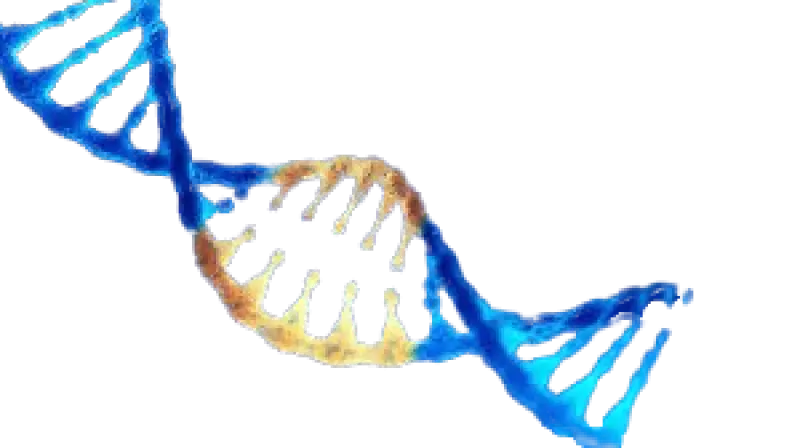
Genetics is the study of how traits are passed from parents to children through DNA. It determines your physical features, biological strengths, and potential health risks.
Your genes influence everything from:
Hair texture
Skin tone
Blood type
Muscle strength
Disease susceptibility
So, if certain conditions like diabetes, hypertension, or heart disease run in your family, you're not just unlucky—it could be a genetic inheritance.
2. The Role of Inheritance in Health
You don’t just inherit assets—you also inherit genes. Genetic inheritance plays a crucial role in determining your likelihood of developing certain medical conditions.
Examples include:
BRCA1/BRCA2 mutations increasing the risk of breast and ovarian cancers
Thalassemia and sickle cell anemia, inherited blood disorders
Mental health patterns like bipolar disorder or depression
This doesn't mean you’re destined to develop these conditions, but knowing your family history can help you take preventive action.
3. Ancestors and Epigenetics: The Deeper Layer
It’s not just what genes you inherit, but how they’re expressed. That’s where epigenetics comes in—a field that studies how lifestyle and environment can turn genes on or off.
Here’s the fascinating part: trauma, famine, or stress experienced by your ancestors can affect how your genes behave today. This means that if your great-grandparents lived through war or poverty, you might carry some of the stress responses they developed—passed down not through stories, but through genetic imprint.
4. Cultural and Emotional Inheritance
Beyond biology, we inherit traditions, values, and emotional responses. These aren’t written in DNA, but they’re passed down all the same. You might find:
A fear of failure because of generations of hardship
A resilience rooted in ancestral survival
Family attitudes toward food, education, or relationships
Understanding your ancestry helps you connect dots between your emotions and experiences, giving context to your identity.
5. Can You Change What You Inherit?
You can’t change your genes, but you can change how they affect you. With better knowledge, you can:
Modify lifestyle to counter genetic risk factors
Seek early screening for inherited conditions
Adopt habits that “switch off” harmful genetic expressions (like regular exercise, meditation, and balanced nutrition)
In short, you’re not a prisoner of your genes—you’re their steward.
FAQs
1. If a disease runs in my family, am I guaranteed to get it?
No. Having a genetic predisposition increases your risk, but lifestyle choices, environment, and preventive healthcare play a big role in whether that risk becomes reality.
2. Can personality traits be inherited?
Certain tendencies like temperament, emotional reactivity, and even intelligence have genetic components, but they’re also shaped by environment and upbringing.
3. What is epigenetics in simple terms?
Epigenetics is the study of how behaviors and environment can influence how your genes work—without changing the actual DNA sequence.
4. How can I find out more about my ancestry and health risks?
Start by building a family health history, and consider genetic counseling or testing if you're at risk for inherited conditions.
Conclusion: Know Your Roots to Grow Your Future
Your story didn’t start with you. Every cell in your body carries whispers from those who came before—from the shape of your jaw to your response to stress. While you can’t rewrite your genes, you can understand them, work with them, and even outsmart the challenges they bring.
So, next time someone says "you’re just like your grandfather," know it’s more than a compliment—it’s a connection.
Stay aware. Stay informed. Stay healthy.
For more wellness insights, visit aarogyaabharat.com.