Introduction
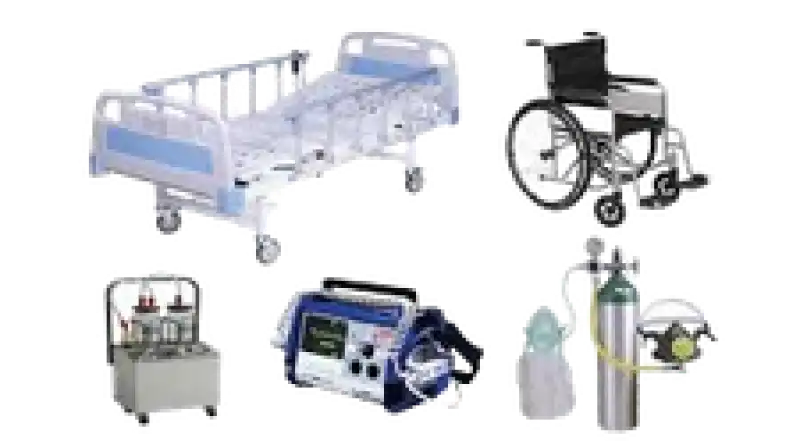
Medical equipment rental is a growing trend, providing patients with access to high-quality medical devices without the hefty upfront costs. Whether it's a hospital bed, oxygen concentrator, or mobility aid, renting medical equipment offers a practical solution for patients requiring short-term or long-term use.
In this blog, we’ll explore the numerous benefits of medical equipment rentals for patients, the types of equipment available for rent, and how this model can enhance patient care.
Why Rent Medical Equipment?
1. Cost-Effective Solution
Medical equipment can be prohibitively expensive, especially for those in need of short-term care.
- Benefit: Renting allows patients to access high-quality equipment without a large upfront payment, significantly reducing financial strain.
- Example: Oxygen concentrators and CPAP machines can cost thousands of dollars to purchase outright, while renting them can cost a fraction of the price on a monthly basis.
2. Short-Term Use for Temporary Conditions
Patients recovering from surgery or managing acute conditions often require medical equipment for a limited time.
- Benefit: Renting provides access to necessary equipment for as long as it’s needed, without the obligation to purchase it.
- Example: A hospital bed rental is ideal for individuals recovering at home post-surgery or dealing with a temporary injury.
3. No Maintenance or Repair Costs
Owning medical equipment comes with the responsibility of maintaining it, including repairs, servicing, and cleaning.
- Benefit: Rentals typically include maintenance and servicing as part of the agreement. If the equipment breaks down, the supplier will repair or replace it at no extra cost to the patient.
- Example: If a rented wheelchair develops a mechanical issue, the supplier is responsible for fixing it or providing a replacement.
4. Flexibility and Convenience
Medical needs can change unexpectedly, and equipment may become unnecessary or need to be upgraded.
- Benefit: Renting allows for flexibility, as equipment can be returned or exchanged as the patient’s needs evolve.
- Example: If a patient outgrows the need for a particular mobility aid, they can easily return the rented equipment and rent a different type of assistive device.
Types of Medical Equipment Available for Rent
1. Mobility Aids
Patients recovering from injuries or surgeries often require mobility aids for a temporary period.
- Examples:
- Wheelchairs and scooters
- Walkers and crutches
- Canes and rollators
- Benefit: Renting these aids provides patients with the equipment they need while avoiding the cost of permanent ownership.
2. Respiratory Equipment
For patients dealing with chronic respiratory conditions, renting respiratory equipment is an affordable solution.
- Examples:
- Oxygen concentrators
- CPAP and BiPAP machines
- Nebulizers
- Benefit: These devices are often needed on a long-term or intermittent basis, making rental an ideal option for those who don’t require constant use.
3. Hospital Beds
Patients recovering from surgery or those with mobility limitations often require specialized hospital beds.
- Benefit: Renting a hospital bed offers comfort and functionality at home without the cost and hassle of long-term ownership.
4. Diagnostic Devices
Certain medical devices may be required for home monitoring of chronic conditions.
- Examples:
- Blood pressure monitors
- Glucometers
- Thermometers and pulse oximeters
- Benefit: Renting these devices provides patients with an affordable way to monitor their health without making a long-term commitment to owning them.
5. Therapeutic Equipment
Various therapeutic devices are necessary for rehabilitation or treatment of medical conditions.
- Examples:
- TENS units for pain relief
- Continuous passive motion (CPM) machines for joint recovery
- Electric stimulation units
- Benefit: Renting this equipment ensures patients can access the treatment they need while avoiding the cost of purchasing devices for temporary use.
The Benefits of Renting Medical Equipment Over Buying
1. Accessibility to High-Quality Devices
Many medical devices are expensive and may not be accessible to patients who only need them for a short time.
- Benefit: Renting allows patients to use high-quality equipment without the financial burden of purchasing it outright.
- Example: A patient may need a high-end CPAP machine to manage sleep apnea for a few months but cannot afford to purchase one. Renting allows them to access the machine at a much lower cost.
2. No Storage Worries
Once the patient no longer needs the equipment, storage becomes an issue.
- Benefit: Renting ensures that patients don’t have to worry about where to store bulky equipment when it’s no longer in use.
- Example: After recovery, a rented hospital bed can simply be returned to the supplier.
3. Immediate Availability
Renting can often mean quicker access to equipment when compared to purchasing.
- Benefit: Rental services often have a faster turnaround, and patients don’t need to wait weeks for deliveries or set up.
- Example: If a patient urgently needs an oxygen concentrator after a hospital discharge, a rental service can typically provide one immediately.
How to Choose a Medical Equipment Rental Service
1. Reputation and Reviews
Look for suppliers with positive customer reviews and a strong reputation for reliability and service.
- Questions to Ask:
- Do they have positive testimonials from previous customers?
- Are they known for timely delivery and efficient customer service?
2. Quality of Equipment
Ensure that the equipment being rented is well-maintained, safe, and up-to-date.
- Questions to Ask:
- Is the equipment regularly serviced and cleaned?
- Does the supplier provide the latest models and technology?
3. Flexibility in Terms and Pricing
Rental terms should be clear and flexible to suit the patient’s needs.
- Questions to Ask:
- What are the rental terms (e.g., daily, weekly, monthly)?
- Are there any hidden fees or additional costs for delivery, installation, or maintenance?
4. After-Sales Support
A reliable rental service should offer excellent customer support in case issues arise with the equipment.
- Questions to Ask:
- Do they provide repair services or replacements if the equipment malfunctions?
- Is there a 24/7 helpline for urgent concerns?
Real-Life Examples of Medical Equipment Rental Success Stories
1. Oxygen Therapy for COPD Patients
A patient with COPD needed an oxygen concentrator for home use. Renting the device allowed them to receive the therapy they needed without a significant financial burden, and the rental service ensured regular maintenance to keep the device functioning optimally.
2. Post-Surgery Recovery with a Hospital Bed
A patient recovering from knee surgery required a hospital bed with adjustable positions. By renting the bed, the patient was able to get the support they needed for a smooth recovery without taking up valuable space or making a permanent purchase.
3. Mobility Aid for Elderly Individuals
An elderly woman recovering from a hip replacement rented a mobility scooter to regain her independence. The rental service was able to deliver and set up the device quickly, allowing her to move around her home comfortably.
Conclusion
Medical equipment rentals offer a range of benefits to patients, including cost savings, convenience, and flexibility. Whether for short-term recovery or long-term management of chronic conditions, renting medical devices ensures that patients have access to the equipment they need without the heavy financial burden.
By understanding the types of equipment available for rent and selecting a reputable supplier, patients can make informed decisions that improve their health and quality of life. Renting medical equipment is a smart, practical solution for those who need temporary access to essential healthcare tools.