Introduction
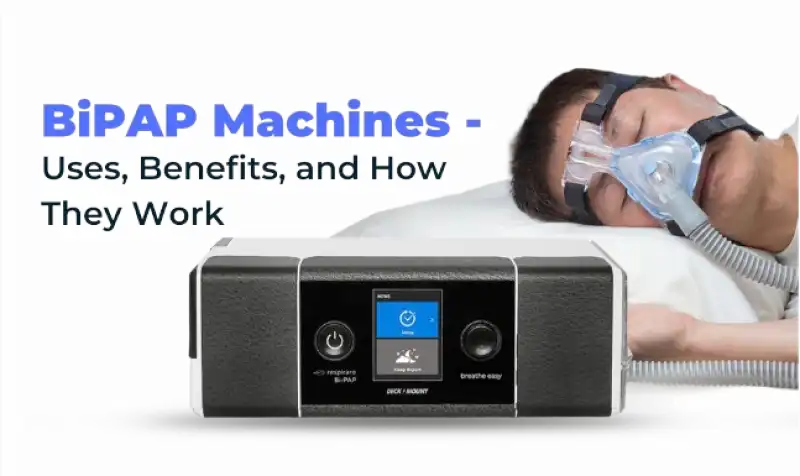
Bipap (Bilevel Positive Airway Pressure) machines have transformed the way individuals manage respiratory conditions, particularly sleep apnea and other breathing disorders. By delivering two levels of air pressure, these devices provide comfort and efficiency in breathing support. In this guide, we will explore how Bipap machines work, their benefits, and how to choose the right one for your needs.
What is a Bipap Machine?
A Bipap machine is a non-invasive ventilation device that helps people with breathing difficulties by providing two distinct pressure levels:
- Inspiratory Positive Airway Pressure (IPAP): A higher pressure level that aids in inhalation.
- Expiratory Positive Airway Pressure (EPAP): A lower pressure level that allows easier exhalation.
Bipap machines are commonly used for conditions such as obstructive sleep apnea (OSA), chronic obstructive pulmonary disease (COPD), and other respiratory disorders.
Shop Top-Rated Bipap Machines Here
How Does a Bipap Machine Work?
- Airflow Regulation: The machine adjusts airflow to deliver different pressures during inhalation and exhalation.
- Monitoring Sensors: Detects breathing patterns and adjusts pressure accordingly.
- Humidification System: Many models include humidifiers to prevent dryness and irritation.
- User-Friendly Interface: Allows for customization of pressure settings based on medical requirements.
Benefits of Using a Bipap Machine
- Enhanced Breathing Support: Helps patients with respiratory issues breathe more efficiently.
- Comfortable Sleep Therapy: Reduces breathing interruptions, improving sleep quality.
- Lower Risk of Complications: Prevents oxygen deprivation, reducing risks associated with sleep apnea.
- Customizable Settings: Offers adjustable pressure settings to cater to individual needs.
- Improved Oxygen Levels: Helps maintain proper oxygen levels throughout sleep.
Who Needs a Bipap Machine?
- Moderate to severe sleep apnea
- COPD or other chronic lung diseases
- Neuromuscular disorders affecting breathing
- Post-surgical respiratory support needs
- Heart-related breathing problems
Choosing the Right Bipap Machine
- Pressure Adjustment Features: Ensure the machine offers customizable settings to fit your breathing needs.
- Portability & Size: Compact models are available for frequent travelers.
- Noise Levels: Look for quieter models for undisturbed sleep.
- Mask Compatibility: Ensure the Bipap machine supports different mask types for comfort.
- Built-in Humidification: Reduces nasal dryness and irritation for a better user experience.
Frequently Asked Questions (FAQs)
1. How is a Bipap machine different from a CPAP machine?
Unlike CPAP, which delivers constant pressure, Bipap provides two pressure levels for easier breathing.
2. Can I travel with a Bipap machine?
Yes, many models are designed to be portable and airline-approved.
3. How often should I replace the mask and tubing?
It is recommended to replace them every 3 to 6 months for hygiene and effectiveness.
4. Is a Bipap machine covered by medical insurance?
Many insurance plans cover Bipap machines, but coverage varies based on medical necessity.
Conclusion
Bipap machines offer effective and comfortable breathing support for individuals with sleep apnea and other respiratory conditions. Their ability to provide dual pressure settings makes them a preferred choice over CPAP for certain patients.
If you're looking for a high-quality Bipap machine explore our top-rated options at Aarogyaa Bharat and improve your sleep and respiratory health today !