Monsoon showers bring relief, greenery, and a sense of freshness but once the rain stops, a far more dangerous problem quietly settles in. Rainwater that collects in potholes, broken roads, open drains, rooftops, and discarded containers becomes a perfect breeding ground for mosquitoes. What looks like a harmless puddle can turn into a public health threat within days.
Mosquito-borne diseases surge every monsoon, not because of the rain itself, but because of how long water is allowed to stagnate afterward. Understanding this hidden danger is the first step toward protecting yourself, your family, and your community.
Why Stagnant Rainwater Is a Mosquito Magnet
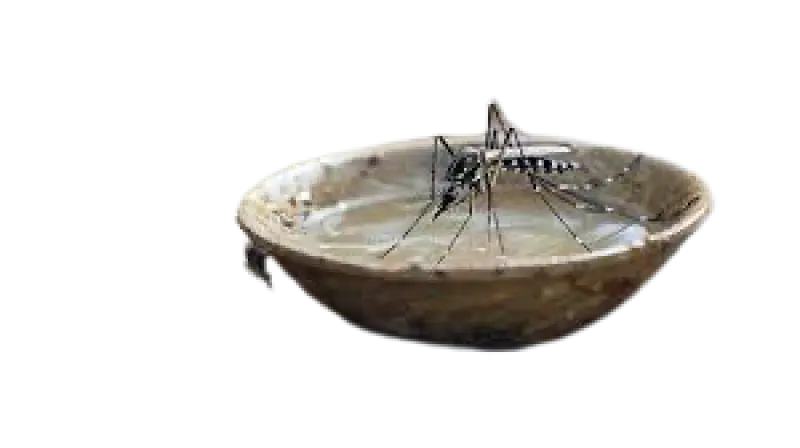
Mosquitoes are surprisingly efficient breeders. They don’t need dirty water or large water bodies—clean, still rainwater is often enough. The lifecycle of a mosquito is short and fast, which makes puddles especially dangerous.
Female mosquitoes lay hundreds of eggs at a time on the surface of stagnant water. In warm and humid monsoon conditions, these eggs hatch into larvae within 24–48 hours. Within a week, they mature into adult mosquitoes ready to bite and spread disease.
Potholes, clogged gutters, uncovered water tanks, flower pots, unused coolers, construction sites, and even bottle caps can hold enough water to support mosquito breeding. Because these small water bodies often have no natural predators, mosquito larvae grow unchecked.
How Long Does It Take for a Puddle to Become Dangerous?
Many people assume mosquitoes need weeks to breed. In reality, it takes only 7 to 10 days of standing water for a full mosquito lifecycle to complete. In peak monsoon humidity, this process can be even faster.
This means that a single pothole outside your house, if ignored for a week, can produce hundreds of mosquitoes—each capable of spreading infection.
Major Diseases Linked to Rainwater Mosquito Breeding
Once mosquitoes multiply, the risk of serious illness increases sharply. Different species breed in different types of stagnant water, but rainwater puddles support many of them.
Dengue
Spread mainly by the Aedes mosquito, dengue thrives in clean, stagnant water commonly found in urban puddles, flower pots, and rooftop containers. Symptoms include high fever, severe headache, joint and muscle pain, low platelet count, and in severe cases, internal bleeding.
Malaria
Anopheles mosquitoes breed in stagnant rainwater, especially in poorly drained areas. Malaria causes recurring fever, chills, sweating, fatigue, and anemia. Without timely treatment, it can become life-threatening.
Chikungunya
Also spread by Aedes mosquitoes, chikungunya leads to high fever, joint swelling, muscle pain, and long-lasting weakness. Joint pain may persist for months, affecting daily life.
Zika Virus
Though less common, Zika is dangerous for pregnant women, as it can cause serious birth defects. It spreads through the same rainwater-breeding mosquitoes.
These illnesses not only affect health but also cause financial strain, missed work or school, and long recovery periods.
Who Faces the Highest Risk During Monsoon?
Certain groups are more vulnerable to mosquito-borne diseases:
- Children who play outdoors near puddles and open drains
- Elderly individuals with weaker immune systems
- Pregnant women, due to risks like Zika
- People living near construction sites, slums, or poorly maintained roads
- Urban residents who assume mosquito problems are only rural issues
Even gated communities and well-developed areas are not immune if potholes and water collection are ignored.
The Role of Poor Infrastructure in Mosquito Growth
Rain alone is not the problem poor infrastructure magnifies the risk. Bad roads, neglected drainage systems, and unchecked construction sites create ideal mosquito habitats.
- Potholes trap rainwater for days
- Blocked drains overflow and form stagnant pools
- Open sewage mixes with rainwater, increasing infection risk
- Uncovered tanks at construction sites store water indefinitely
- Broken tiles and terrace cracks collect unnoticed water
When civic maintenance is delayed, mosquito populations explode, leading to outbreaks.
How Stagnant Water Impacts Community Health
Mosquito breeding doesn’t affect just one household it impacts entire neighbourhoods. Once mosquitoes emerge, they travel easily between homes. One ignored puddle can lead to dozens of cases within weeks.
Healthcare systems often become overburdened during monsoon outbreaks. Hospitals see spikes in fever cases, blood platelet shortages, and ICU admissions. Schools face absenteeism, workplaces lose productivity, and families struggle with recurring illness.
Practical Steps to Prevent Mosquito Breeding
Prevention doesn’t require expensive solutions—only awareness and consistency.
At Home
- Empty water from flower pots, trays, coolers, and buckets every 2–3 days
- Clean rooftops, balconies, and terrace drains
- Cover overhead water tanks tightly
- Use mosquito repellents, coils, or electric vaporizers
- Install mesh on windows and ventilators
In Residential Societies
- Inspect common areas after rainfall
- Ensure basement and parking drainage is clear
- Organize weekly checks for stagnant water
- Coordinate with municipal authorities for pothole repairs
For Personal Protection
- Wear full-sleeved clothing during mornings and evenings
- Use mosquito nets, especially for children and elders
- Avoid sitting near stagnant water at dusk
Community-Level Action
- Report waterlogging and potholes immediately
- Participate in cleanliness drives after heavy rain
- Educate neighbours and domestic staff about mosquito risks
Why Prevention Is Always Better Than Treatment
Treating mosquito-borne diseases is expensive, exhausting, and sometimes dangerous. Dengue treatment often involves repeated blood tests, platelet monitoring, and prolonged bed rest. Malaria can cause recurring illness if not fully treated.
Preventing mosquito breeding costs far less than hospitalization and protects everyone, not just one individual. Simple actions can break the mosquito lifecycle before it begins.
Conclusion: Don’t Let a Puddle Become a Public Health Crisis
A puddle may look insignificant, but within it lies the potential for a serious outbreak. Every monsoon, stagnant rainwater silently fuels the spread of dengue, malaria, and chikungunya. Ignoring potholes and water collection is no longer just an inconvenience it’s a health risk.
By staying alert after rainfall, eliminating stagnant water, and taking preventive steps at home and in the community, we can stop diseases before they start. The rain may be inevitable but mosquito outbreaks are not.
Protecting health begins with awareness, responsibility, and action because sometimes, saving lives starts with simply emptying a puddle.
For trusted home healthcare support, preventive care products, and monsoon health essentials, Aarogyaa Bharat stands with you in protecting your family’s health rain or shine.