Introduction: Why You Can't Stop Scrolling
Ever found yourself glued to a reel or endlessly scrolling through YouTube Shorts—even when you planned to sleep early? You're not alone. It’s not laziness, it’s neuroscience.
Behind every like, share, or viral video, there’s a brain chemical silently shaping our habits: dopamine. This “feel-good” neurotransmitter is the reason why we crave engaging content, and sometimes, can’t stop even when we try.
What Exactly Is Dopamine?
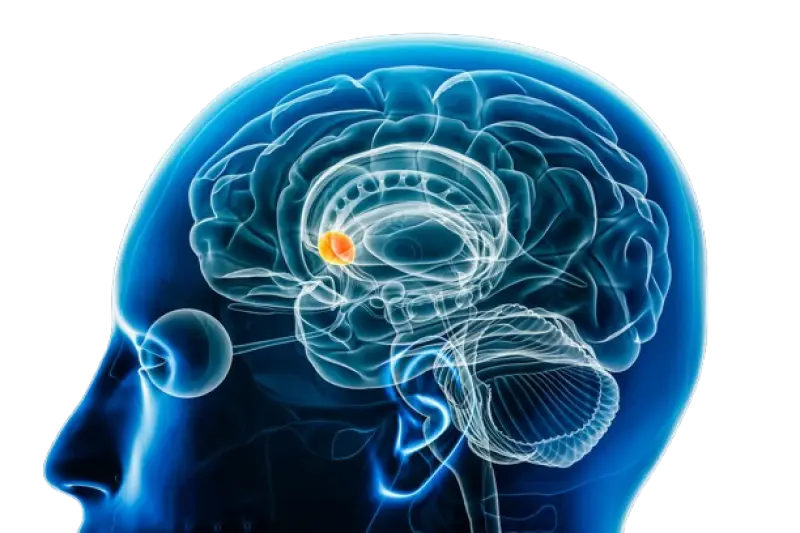
Dopamine is a chemical messenger in your brain that plays a major role in how you feel pleasure, motivation, and focus. It acts like a reward sensor, helping us repeat behaviors that bring satisfaction or excitement.
Historically, dopamine was essential for survival:
Finding food
Forming bonds
Reaching goals
But in today’s world, we’re no longer chasing berries in the forest. We’re chasing likes, views, and rewards that show up on glowing screens.
How Engaging Content Triggers Dopamine
Every time you:
Watch a relatable meme
Receive a comment or like
Get a notification ping
Scroll and land on an unexpected funny video
…your brain rewards you with a hit of dopamine.
It feels good. So you keep going. And that’s exactly what content platforms design for—dopamine loops.
Think about it:
Endless scroll feeds (like Instagram, TikTok, YouTube Shorts) offer constant novelty.
Each piece of content offers a tiny potential reward.
Your brain doesn’t know when the next "dopamine jackpot" is coming—so it keeps watching.
Why the Human Brain Is Wired for This
The human brain loves:
Novelty
Anticipation
Instant gratification
And engaging content delivers all three. Bright colors, catchy audio, and surprise endings trick the brain into treating content like a survival-worthy reward.
Even the unpredictability of what you’ll see next is a hook. It mimics the psychology of gambling—a well-researched model known as variable rewards.
So... Is Dopamine Bad?
Absolutely not.
Dopamine is vital. It:
Helps you wake up
Motivates you to work out
Drives creativity and learning
Even helps you bond with loved ones
The problem begins when digital dopamine becomes the only reward your brain chases. Over time, the mind gets used to high dopamine hits from screens and starts to find slower, meaningful activities—like reading, exercising, or even real conversations—less satisfying.
Signs You’re Hooked on Dopamine-Based Content
You check your phone first thing after waking up
You can’t stop scrolling even when your eyes hurt
Watching one short leads to 30 minutes gone
You find it hard to enjoy silence or slow activities
These aren’t personal failures. They’re dopamine patterns.
How to Take Back Control
Here’s how to balance the good dopamine from screens with healthier rewards:
1. Delay Gratification
Wait 10–15 minutes before opening a social app. Let the urge pass, and train your brain to tolerate stillness.
2. Switch to Intentional Content
Instead of random swipes, watch a documentary, read a blog (like this one!), or listen to a podcast.
3. Move Your Body
Physical activity releases dopamine too—but in a natural, sustained way.
4. Sleep Without Screens
Avoid late-night dopamine jolts. The blue light messes with melatonin, and the content messes with your peace.
5. Practice “Dopamine Fasting”
Take screen breaks. Let your brain reset so that real-life joys become rewarding again.
Conclusion: Your Brain Deserves Better Fuel
It’s not that dopamine is bad—it’s that engaging, addictive content is built to hijack it. When you understand how your mind works, you can stop being a passive consumer and start choosing what truly brings you joy and purpose.
Dopamine is your brain’s currency. Spend it wisely.
Stay mindful, stay sharp. Explore health and wellness with us at Aarogyaa Bharat