Introduction
Monitoring blood pressure at home is one of the most effective ways to manage hypertension, protect heart health, and track overall well-being. Regular home monitoring helps detect early warning signs, evaluate how well medications are working, and reduce the risk of serious conditions such as heart attacks and strokes. However, with so many blood pressure monitors available in the market, choosing the right one can feel confusing. Different devices vary in accuracy, ease of use, and features. This comprehensive guide explains the types of blood pressure monitors, key features to look for, best usage practices, and top models to consider so you can make a confident, informed choice for yourself or your family.
Types of Blood Pressure Monitors
Upper Arm Blood Pressure Monitors
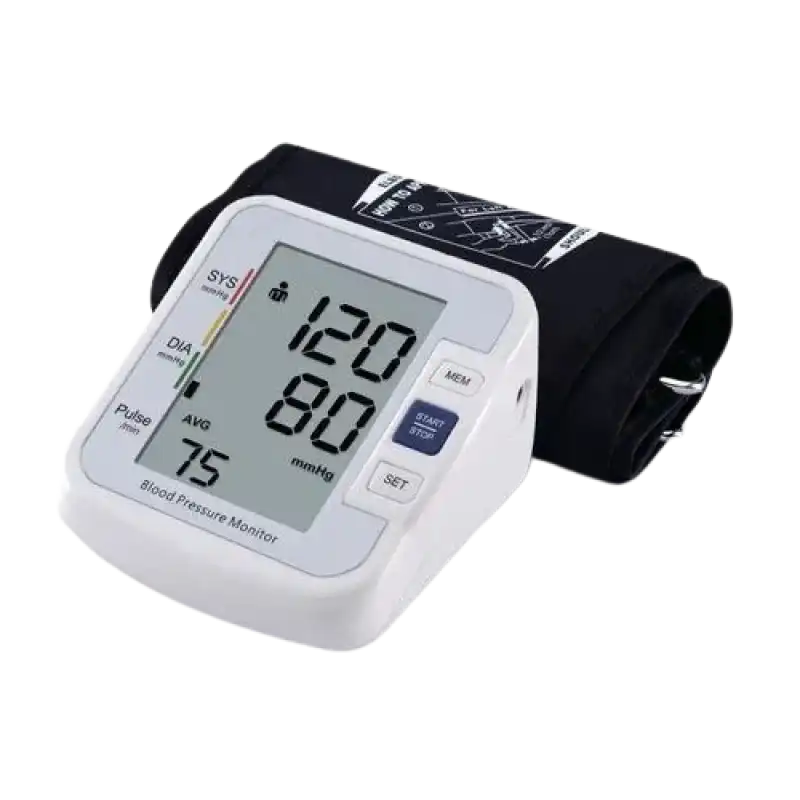
Upper arm blood pressure monitors are considered the most accurate and reliable option for home use. They are widely recommended by doctors and healthcare professionals for regular blood pressure monitoring. These monitors measure blood pressure from the brachial artery, which provides readings closest to clinical measurements. Most models are fully automatic, inflating and deflating the cuff with the press of a button. Some also come in manual versions for advanced users. Upper arm monitors are ideal for people with hypertension, elderly users, and anyone who requires consistent, medically accurate readings.
Wrist Blood Pressure Monitors
Wrist blood pressure monitors are compact, lightweight, and easy to carry, making them a popular choice for travelers and people who need on-the-go monitoring. They are simple to use and generally more comfortable than upper arm models. However, their accuracy can be affected by improper positioning, as the wrist must be kept exactly at heart level during measurement. While convenient, wrist monitors are best suited for occasional monitoring rather than long-term medical management.
Finger Blood Pressure Monitors
Finger blood pressure monitors are small, portable, and easy to use, but they are not recommended for medical accuracy. Their readings can be inconsistent and are highly sensitive to finger positioning and circulation issues. These devices may be used for quick reference or casual tracking, but they should not replace clinically validated upper arm or wrist monitors for serious health monitoring.
Features to Look for in a Blood Pressure Monitor
Accuracy and Clinical Validation
Accuracy is the most important factor when choosing a blood pressure monitor. Always select a device that is clinically validated and approved by recognized medical authorities such as the American Heart Association (AHA), British Hypertension Society (BHS), or similar regulatory bodies. Validated devices undergo rigorous testing to ensure their readings are reliable and consistent. This is especially critical for people managing chronic hypertension or heart conditions.
Cuff Size and Fit
The right cuff size is essential for obtaining accurate blood pressure readings. A cuff that is too small can give falsely high readings, while a cuff that is too large can give falsely low results. Most blood pressure monitors come with standard, small, or large cuff options. Always measure your upper arm circumference and choose a cuff that fits snugly but comfortably around your arm.
Digital Display and Memory Storage
A clear, large digital display makes it easier to read your results, especially for seniors or individuals with vision difficulties. Memory storage allows the device to save previous readings, making it easier to track trends over time. Some monitors store readings for multiple users, which is ideal for families. This feature is useful for sharing accurate health data with your doctor during consultations.
Connectivity and Smart Features
Many modern blood pressure monitors offer Bluetooth connectivity and smartphone app integration. These smart features allow you to sync readings to your phone, generate reports, and track long-term trends. This is particularly helpful for tech-savvy users or patients who need to share data remotely with healthcare providers. While not essential, smart connectivity adds convenience and improves long-term monitoring efficiency.
Ease of Use
For seniors and beginners, ease of use is a critical consideration. Look for a monitor with one-touch operation, automatic inflation, and automatic deflation for maximum comfort. Simple controls and clear instructions ensure that anyone can use the device correctly without confusion or frustration. User-friendly designs also reduce the risk of incorrect measurements.
When Should You Use a Blood Pressure Monitor?
Home blood pressure monitoring is recommended in several situations. It is essential for people diagnosed with hypertension who need daily or weekly tracking. Pregnant women may also need regular monitoring to detect blood pressure fluctuations and prevent complications such as preeclampsia. Monitoring is useful before and after medication changes to assess treatment effectiveness. Individuals at risk of heart disease, stroke, or kidney problems should also use a blood pressure monitor regularly to track early warning signs and maintain better long-term health.
How to Use a Blood Pressure Monitor Correctly
To get accurate readings, it is important to follow proper measurement guidelines. Sit in a relaxed position with your back straight and your feet flat on the floor. Rest quietly for at least five minutes before measuring. Position the cuff correctly by placing it around your upper arm (or wrist) at heart level. Avoid caffeine, alcohol, smoking, or heavy exercise at least 30 minutes before taking a reading. Take multiple readings at the same time each day for consistency and average the results. Record your readings and share them with your healthcare provider for better diagnosis and treatment planning.
Best Blood Pressure Monitors to Buy
| Brand & Model | Key Features | Best For |
|---|---|---|
| Omron | Clinically validated, Bluetooth connectivity | Home use, seniors |
| Beurer BM26 | Large display, affordable price | Beginners, budget users |
| Withings BPM Connect | Wireless, smartphone app integration | Tech-savvy users |
| Dr. Morepen | Simple design, automatic inflation | Occasional monitoring |
Benefits of Home Blood Pressure Monitoring
Home blood pressure monitoring helps identify abnormal readings early, enabling timely medical intervention. It allows patients to observe how lifestyle changes, diet, and medications affect their blood pressure. Regular monitoring improves treatment adherence and empowers individuals to take control of their health. It also reduces dependency on frequent clinic visits and helps doctors make more accurate treatment decisions using real-world data collected at home.
Conclusion
Choosing the right blood pressure monitor is essential for effective health management and long-term heart care. Whether you need a highly accurate upper arm monitor or a portable wrist monitor, always consider factors such as clinical validation, cuff size, ease of use, and smart features. A reliable blood pressure monitor empowers you to track your health proactively and make informed lifestyle and medical decisions.
For high-quality, clinically validated blood pressure monitors, visit Aarogyaa Bharat and explore trusted options designed for safe, accurate, and convenient home use. Take control of your health today with the right monitoring device.