While families often focus heavily on choosing the “best” oxygen concentrator brand or model, the reality is that proper installation plays an equally important role in determining how safely and effectively the machine functions over time. Even a premium oxygen concentrator can underperform, overheat, or fail prematurely if it is placed incorrectly, connected to an unstable power source, or used without proper airflow clearance. Improper installation can also result in fluctuating oxygen purity levels, frequent alarm triggers, tubing blockages, and even internal mechanical damage.
Another overlooked aspect of installation is patient comfort and emotional well-being. A poorly placed concentrator with tangled tubing, loud noise exposure, or limited movement range can make daily oxygen therapy stressful rather than supportive. Over time, this discomfort can reduce patient compliance, meaning the patient may avoid using oxygen therapy as prescribed, which directly affects recovery and long-term health outcomes.
At Aarogyaa Bharat, we regularly assist families across India who are setting up oxygen concentrators at home for the first time. This in-depth guide explains every single detail you need to know from selecting the right room and stabilizing power supply to connecting accessories, maintaining hygiene, handling power outages, and ensuring long-term performance. Whether you are a first-time user, a caregiver, or a home-care nurse, this comprehensive installation guide will help you build a safe, reliable, and stress-free oxygen therapy environment at home.
What Is an Oxygen Concentrator and How Does It Actually Work?
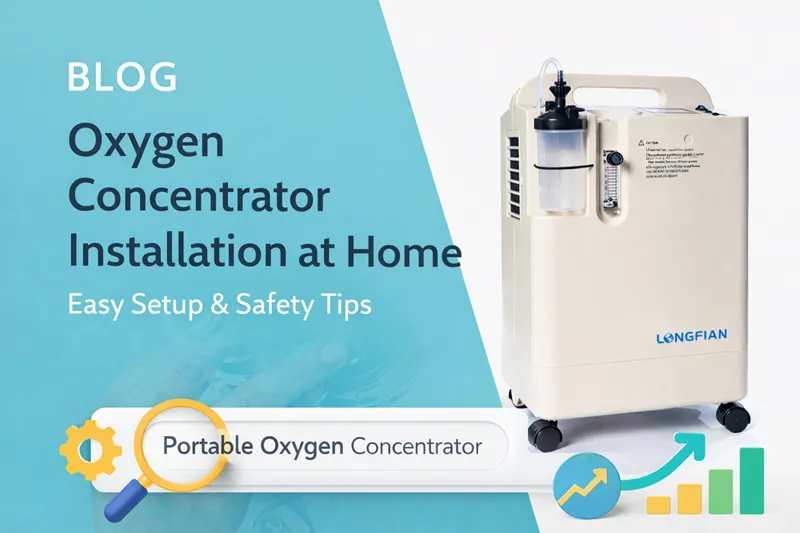
An oxygen concentrator is a medical device that extracts oxygen from the surrounding air, filters out nitrogen and trace gases, and delivers purified oxygen directly to the patient through a nasal cannula or oxygen mask. Unlike oxygen cylinders, concentrators do not store oxygen they generate oxygen continuously as long as they are connected to a stable power supply. This makes them ideal for long-term home oxygen therapy, where daily refills of oxygen cylinders can become costly, inconvenient, and logistically stressful.
Inside the concentrator, room air is drawn in through intake filters and passed into an internal compressor. The compressed air then flows through molecular sieve beds that trap nitrogen molecules while allowing oxygen to pass through. This separation process increases the oxygen concentration from the normal 21% found in air to medical-grade purity levels of 90–96%, depending on the model and flow rate. The purified oxygen is temporarily stored in an internal reservoir and then delivered to the patient through an output port.
Most home-use oxygen concentrators are designed to deliver oxygen flow rates ranging from 1 to 5 liters per minute (LPM), while heavy-duty models can go up to 10 LPM for patients with higher oxygen needs. The flow rate is adjusted using a knob or digital control panel and must always match the doctor’s prescription. Setting an incorrect flow rate can either deprive the patient of adequate oxygen or cause discomfort, nasal dryness, and oxygen toxicity risks.
Because concentrators depend on continuous airflow, electrical components, and internal heat dissipation systems, installation quality directly affects oxygen purity and machine longevity. A poorly ventilated concentrator may still run, but it may silently deliver sub-optimal oxygen levels, putting the patient’s health at risk without obvious warning signs.
Choosing the Right Location for Installation
Selecting the correct location for your oxygen concentrator is the foundation of safe installation. The machine should always be placed in a well-ventilated area that allows free circulation of fresh air. Proper ventilation prevents overheating of internal components and ensures that the concentrator draws in clean air without dust, moisture, or smoke contamination.
Avoid placing the concentrator in small enclosed spaces such as bathrooms, store rooms, closets, or narrow hallways. These locations trap heat and restrict airflow, which can cause frequent shutdowns, alarm triggers, and long-term mechanical damage. Ideally, the concentrator should be positioned at least 1 to 2 feet away from walls, curtains, furniture, and beds to keep all air intake vents unobstructed.
The surface on which the concentrator rests must be flat, stable, and vibration-free. Soft surfaces like mattresses, sofas, thick carpets, or uneven flooring can block bottom vents and cause the machine to wobble or overheat. A solid floor, bedside table, wooden platform, or medical trolley is usually ideal.
Another important factor is noise exposure. Although modern concentrators are quieter than older models, they still produce a low humming sound from the compressor. Placing the machine too close to the patient’s head may cause sleep disturbances, anxiety, or irritation during long-term use. At Aarogyaa Bharat, we recommend positioning the concentrator near the patient’s bed or chair while maintaining enough distance to reduce noise discomfort and prevent accidental knocks from walkers, wheelchairs, or furniture.
Power Supply and Electrical Safety Requirements
Oxygen concentrators require a stable and uninterrupted power supply to operate safely and efficiently. Before installation, ensure that your home’s electrical wiring is in good condition and capable of handling the machine’s power load. Most home concentrators operate on standard household voltage, but sudden voltage fluctuations can damage internal circuits, shorten compressor lifespan, and trigger repeated machine alarms.
Always connect the concentrator to a dedicated wall socket instead of using extension cords or multi-plug adapters. Overloaded sockets can overheat and increase the risk of electrical fires, especially in oxygen-rich environments. If your home experiences frequent voltage fluctuations, installing a voltage stabilizer is highly recommended to protect the machine from power surges and internal circuit failures.
In areas prone to power cuts, having a backup power source such as an inverter, UPS system, or small generator is absolutely essential. Even short power interruptions can disrupt oxygen therapy, which may be dangerous for patients who depend on continuous oxygen flow. Backup systems should be tested during installation to ensure they can support the concentrator for at least 30–60 minutes without interruption.
At Aarogyaa Bharat, we strongly advise families to assess their power reliability before finalizing oxygen concentrator placement. A stable power setup not only protects patient safety but also reduces repair costs and machine downtime over the long term.
Connecting the Oxygen Tubing and Accessories
Once the concentrator is positioned and powered, the next critical step is connecting the oxygen delivery tubing correctly. Attach one end of the tubing firmly to the oxygen outlet port on the concentrator and the other end to the nasal cannula or oxygen mask. Ensure the connection is airtight and secure to prevent oxygen leaks and inconsistent flow rates.
Always use medical-grade oxygen tubing supplied by the manufacturer or a certified medical supplier. Avoid using old, cracked, or kinked tubing because this can restrict oxygen flow, reduce therapy effectiveness, and create back-pressure inside the machine. The tubing length should be just long enough to allow comfortable movement for the patient without creating tripping hazards or sharp bends.
If your concentrator model includes a humidifier bottle, fill it with distilled water up to the recommended level and attach it securely to the humidifier port. The humidifier adds moisture to the oxygen stream, preventing dryness, nasal irritation, and nosebleeds during long-term oxygen therapy. Never use tap water in the humidifier because minerals and bacteria can contaminate the oxygen flow and damage internal components.
At Aarogyaa Bharat, we recommend cleaning oxygen tubing weekly and replacing it every 30–60 days, depending on usage frequency. Humidifier bottles should be washed daily and disinfected weekly to maintain hygiene and prevent bacterial growth.
Step-by-Step Oxygen Concentrator Installation Process
Step 1: Unbox and Inspect
Carefully unpack the concentrator and inspect it for physical damage, loose parts, or missing accessories. Check that all components such as tubing, humidifier bottle, power cord, filters, and user manual are included.
Step 2: Position the Machine
Place the concentrator in a ventilated area with at least 1–2 feet of clearance on all sides. Ensure the surface is flat and stable to prevent vibrations.
Step 3: Connect Power Supply
Plug the machine directly into a wall socket or voltage stabilizer. Avoid using extension cords or overloaded power strips.
Step 4: Attach Oxygen Tubing
Connect one end of the tubing to the concentrator outlet and the other end to the nasal cannula or oxygen mask.
Step 5: Fill and Attach Humidifier (If Applicable)
Fill the humidifier bottle with distilled water and connect it securely to the machine.
Step 6: Switch On and Set Flow Rate
Turn on the concentrator and adjust the flow rate according to the doctor’s prescription.
Step 7: Test Oxygen Output
Check for steady airflow through the cannula and listen for unusual sounds. Allow the machine to run for 5–10 minutes before patient use.
Oxygen Concentrator Installation Checklist Table
| Installation Step | What to Do | Why It Matters |
|---|---|---|
| Location Selection | Place in ventilated, open area | Prevents overheating |
| Surface Stability | Use flat, firm surface | Avoids tipping and vibrations |
| Power Connection | Plug into dedicated socket | Ensures electrical safety |
| Tubing Setup | Attach medical-grade tubing securely | Prevents oxygen leaks |
| Humidifier Use | Fill with distilled water (if applicable) | Prevents nasal dryness |
| Flow Rate Setting | Set as per prescription | Ensures proper oxygen dosage |
| Backup Power | Connect to UPS/inverter (if available) | Prevents therapy interruption |
| Final Safety Check | Inspect for leaks, noise, airflow stability | Confirms safe operation |
Daily Checks After Installation
After installation, daily monitoring ensures long-term safety and performance. Check airflow through the nasal cannula daily to confirm consistent oxygen delivery. If airflow feels weak, inspect tubing for bends, cracks, or blockages.
Monitor the concentrator’s display panel or indicator lights to ensure there are no warning alarms. Most modern concentrators include alerts for low oxygen purity, overheating, and power failure. Persistent alarms require immediate attention from a service technician.
Clean the concentrator’s external surface with a dry or slightly damp cloth to remove dust. Check air intake filters weekly and clean or replace them as recommended by the manufacturer. Dirty filters reduce airflow and oxygen purity.
At Aarogyaa Bharat, we advise maintaining a simple daily checklist to track machine performance, oxygen flow stability, and filter cleaning schedules.
Safety Precautions During and After Installation
Fire safety is extremely important during oxygen therapy. Oxygen accelerates combustion, making flames and sparks far more dangerous. Never allow smoking, candles, incense sticks, or gas stoves near the concentrator or patient area.
Avoid oil-based creams, petroleum jelly, and flammable sprays near the patient. Use only water-based moisturizers if nasal dryness occurs.
Ensure children and pets cannot tamper with tubing or machine controls. Accidental pulling can interrupt oxygen flow and damage equipment.
At Aarogyaa Bharat, we recommend placing visible “Oxygen in Use – No Smoking” signs in the patient’s room.
Long-Term Maintenance for Optimal Performance
Clean intake filters weekly and replace them every 3–6 months depending on dust exposure. Replace nasal cannulas every 2–4 weeks. Service the concentrator every 6–12 months through an authorized technician.
Never ignore unusual sounds, overheating, or declining oxygen output. Early servicing prevents major breakdowns.
Conclusion: Proper Installation Saves Lives
Installing an oxygen concentrator correctly ensures safe, stable, and effective oxygen therapy at home. From location selection and power safety to tubing setup and daily checks, every detail matters.
At Aarogyaa Bharat, we provide not only oxygen concentrators but also complete guidance for safe installation and long-term use.