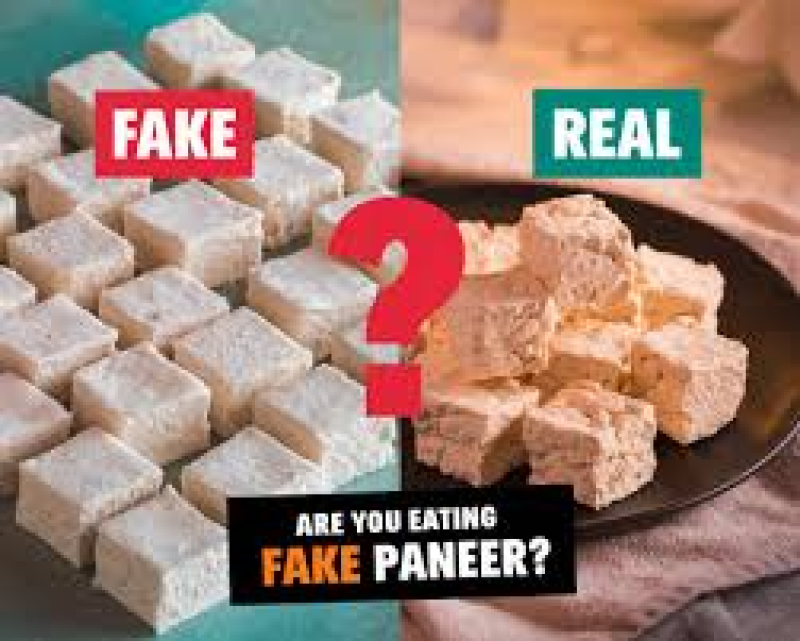
Introduction: Why You Should Be Cautious About Paneer
Paneer is a staple in many Indian households. From palak paneer to paneer tikka, it’s rich in protein and calcium, making it a favorite in vegetarian diets. But with rising food adulteration, the question many are now asking is—“Is my paneer real or fake?”
Adulterated paneer isn’t just a compromise in taste—it can be harmful to your health. So how do you know if the paneer you're eating is pure, or packed with chemicals and artificial whiteners?
Let’s walk through simple tests and signs to help you spot fake paneer easily at home.
1. The Smell Test: Follow Your Nose
Real paneer has a mild, milky aroma. If the paneer smells sour, synthetic, or chemical-like, it could be a sign of adulteration.
Fake paneer may use starch, detergent, or non-food grade acids to mimic the texture, leading to an unnatural or sharp odor.
Tip: Trust your senses. If it smells off, don’t eat it.
2. The Water Test: Hot Water Reveals a Lot
Take a small piece of paneer and place it in warm water for 5–10 minutes. Then observe:
If it starts melting or breaking apart, it could contain detergent or starch
If the water turns milky white, it's likely that synthetic ingredients or whitener have been used
Pure paneer stays intact and only softens slightly
This is a quick and safe home test to check for quality.
3. The Flame Test (With Caution)
Take a small cube of paneer and heat it directly over a low flame using tongs.
If it releases a soapy or plastic-like smell, it's adulterated—most likely made with washing powder or urea
Real paneer will only release light steam or burnt milk smell, not chemicals
Always conduct this test carefully and in a well-ventilated area.
4. The Texture Test: Feel the Difference
Touch the paneer. Real paneer is:
Soft but firm, with slight graininess
Doesn’t crumble immediately when pressed
Has a consistent, smooth surface
Fake paneer often feels too rubbery, spongy, or sticky, especially when cut or cooked.
5. The Taste Test: Let Your Tongue Decide
Pure paneer has a mild milky taste, sometimes slightly sour if made from curdled milk. Fake paneer might taste:
Bland or bitter
Chalky or grainy
Artificial or plastic-like after heating
If the taste feels strange, avoid consuming further.
6. Iodine Test for Starch Detection (Optional Lab Method)
This is a lab-based or advanced test. Add a few drops of iodine solution to a sample of paneer. If the color turns blue, it indicates starch is present—meaning the paneer is fake or adulterated.
Why Is Fake Paneer Harmful?
Fake paneer may be made using:
Detergents or washing powder
Starch and synthetic coagulants
Non-edible acids or urea
Consuming such paneer can cause:
Stomach infections
Food poisoning
Liver and kidney damage over time
Hormonal imbalance and digestive issues
FAQs
1. Can I make sure I'm buying pure paneer?
Yes. Buy from trusted dairy brands or local sources who deliver fresh paneer daily. You can also make it at home using full-cream milk and lemon/vinegar.
2. Does branded paneer also contain adulterants?
While most reputed brands maintain quality, there have been isolated reports. It’s still wise to double-check freshnessand read ingredient labels.
3. Is homemade paneer safer?
Absolutely. Homemade paneer is chemical-free, fresh, and can be customized for softness or firmness.
4. Can I check for starch in paneer at home?
Yes, using iodine drops (available at pharmacies). A blue color change indicates starch and possible adulteration.
Conclusion: Stay Smart, Stay Safe
Paneer is a beloved part of Indian cuisine, but it's important to ensure it’s safe. With rising food fraud and cost-cutting practices, learning how to identify fake paneer is a crucial health skill. These simple home tests take only minutes and can protect you and your family from serious health risks.
At Aarogyaa Bharat, we aim to raise awareness about everyday health safety. For more tips on smart eating and wellness, stay connected.
Explore more food safety blogs at aarogyaabharat.com