Best Practices for Effective & Safe Steam Sterilization
Improper loading is one of the most common causes of
sterilization failure, leading to:
- Wet
loads
- Incomplete
sterilization
- Instrument
damage
- Increased
infection risk
- Regulatory non-compliance
Why Proper Autoclave Loading Is Critical
Correct loading is not just a technical recommendation - it
is a patient safety requirement.
Improper loading can result in:
- Trapped
air pockets preventing steam penetration
- Retained
moisture causing wet loads
- Uneven
heating of instruments
- Damage
to packaging and wraps
- Failed
biological or chemical indicators
According to sterilization standards, a successful
sterilization cycle depends on proper cleaning, correct packaging, correct
loading, and validated cycle parameters.
Understanding How an Autoclave Works (Quick Refresher)
An autoclave sterilizes by:
- Removing
air from the chamber
- Introducing
saturated steam
- Holding
items at a specific temperature and pressure
- Removing
steam
- Drying
the load
For this process to work:
- Steam
must contact all surfaces
- Air
must be fully removed
- Moisture
must be evacuated during drying
Improper loading interferes with every one of these steps.
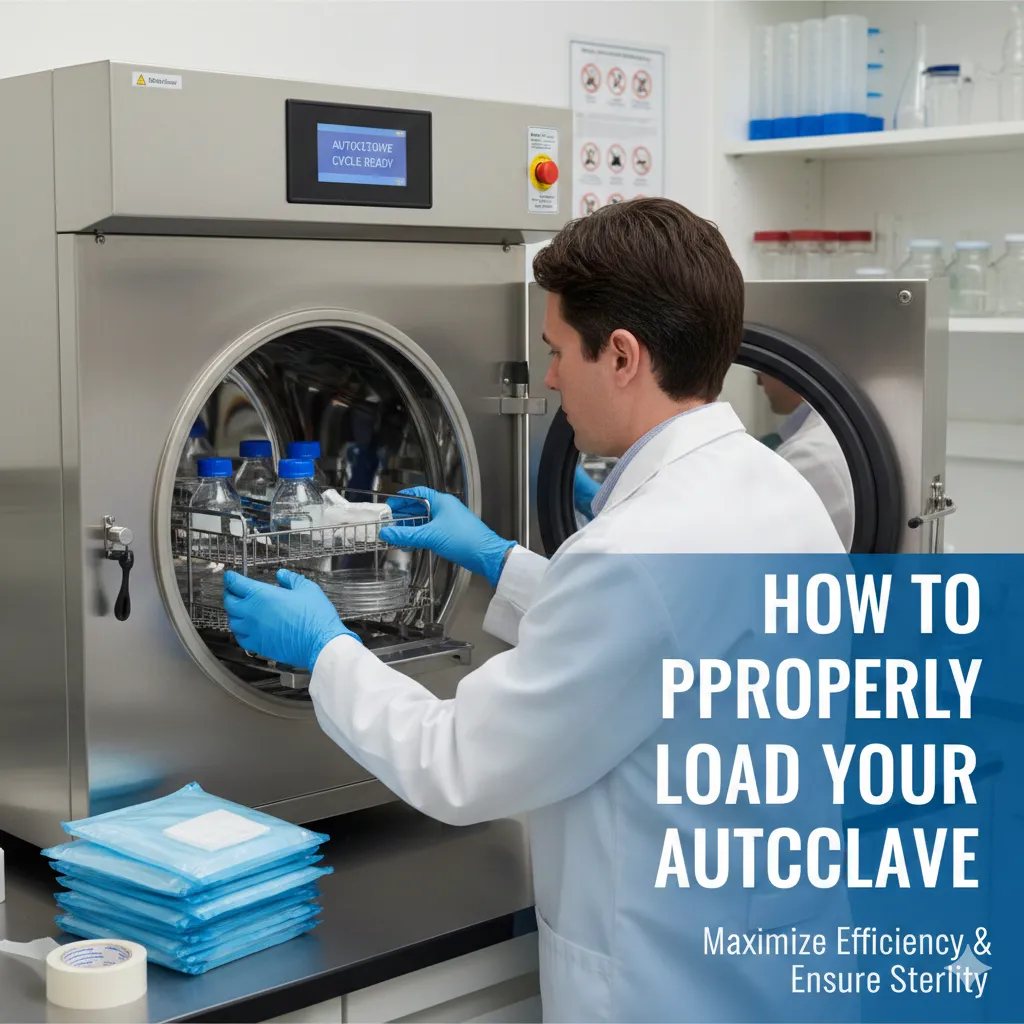
Step-by-Step Guide: How to Properly Load Your Autoclave
1. Clean and Dry Instruments Before Loading
Sterilization does not replace cleaning.
Before loading:
- Thoroughly
clean all instruments
- Remove
blood, tissue, debris, and chemicals
- Rinse
with deionized or treated water
- Ensure
instruments are completely dry
Never load dirty or wet instruments into an autoclave.
Organic residue blocks steam contact and reduces sterilization effectiveness.
2. Use Correct Packaging Materials
Packaging plays a crucial role in steam penetration and
drying.
Approved packaging options:
- Medical-grade
sterilization wraps
- Paper-plastic
peel pouches
- Rigid
sterilization containers
Packaging best practices:
- Do
not over-wrap instruments
- Do
not overfill pouches
- Seal
pouches correctly
- Ensure
packaging is breathable and intact
Improper packaging is a major cause of wet loads and
non-sterile packs.
3. Avoid Overloading the Autoclave Chamber
Overloading is one of the most common mistakes.
Problems caused by overloading:
- Poor
steam circulation
- Trapped
air pockets
- Incomplete
drying
- Failed
sterilization indicators
Best practice:
- Leave
space between trays and packs
- Follow
manufacturer-recommended load capacity
- Never
stack items tightly
Steam needs space to move freely - crowding blocks
sterilization.
4. Position Items Correctly Inside the Autoclave
Correct positioning ensures steam penetration and drainage.
Loading guidelines:
- Place
trays flat and level
- Do
not stack trays directly on top of each other
- Position
peel pouches on edge, paper side facing plastic side
- Place
heavier items on lower shelves
- Avoid
contact with chamber walls
Incorrect positioning can trap condensation, leading to wet
loads.
5. Separate Different Load Types
Do not mix incompatible items in the same load.
Avoid loading together:
- Heavy
instrument trays with linen packs
- Metal
instruments with liquid containers
- Laboratory
waste with surgical instruments
Each load type has different steam and drying requirements.
6. Use Appropriate Cycle Settings
Different items require different cycles.
Common steam cycles:
- Gravity
displacement
- Pre-vacuum
(high vacuum)
- Liquid
cycles
Best practice:
- Match
the cycle to the load type
- Use
extended drying for heavy metal sets
- Never
use liquid cycles for instruments
Incorrect cycle selection leads to wet loads and incomplete
sterilization.
7. Ensure Proper Drainage and Drying
Drying is as important as sterilization.
Drying best practices:
- Verify
vacuum pump performance
- Ensure
drain lines are clear
- Use
sufficient drying time
- Avoid
opening the door immediately after cycle completion
Opening the door too early causes condensation and moisture
re-absorption.
8. Monitor Every Load With Indicators
Sterilization indicators confirm process effectiveness.
Required indicators:
- Chemical
indicators (Class 1-6)
- Biological
indicators (as per protocol)
- Bowie-Dick
test (daily for pre-vacuum autoclaves)
Never release a load without confirming indicator results.
Common Autoclave Loading Mistakes to Avoid
- Overloading the chamber
- Blocking drain ports
- Mixing heavy and light items
- Incorrect pouch orientation
- Using damaged wraps
- Skipping cleaning steps
- Opening door too early
Each of these mistakes increases the risk of failed
sterilization.
Special Considerations for Different Facilities
Hospitals & CSSD Units
- Follow
AAMI ST79 guidelines
- Document
load records
- Maintain
load configuration charts
Dental Clinics
- Use
smaller, frequent loads
- Avoid
stacking cassettes tightly
Laboratories
- Separate
waste loads from instruments
- Use
approved containers for liquids
Regulatory & Compliance Importance
Improper autoclave loading can lead to:
- NABH
non-compliance
- Failed
audits
- Infection
control incidents
- Legal
and reputational risks
Proper loading is a mandatory infection-control requirement,
not an optional practice.
How Aarogyaa Bharat Supports Safe Sterilization
At Aarogyaa Bharat, we help healthcare facilities maintain
safe and compliant sterilization by providing:
- High-quality
autoclaves
- Sterilization
accessories and consumables
- CSSD-friendly
equipment designs
- Expert
guidance on selection and usage
Our focus is patient safety, compliance, and operational reliability.
Conclusion
Proper autoclave loading is the foundation of effective
steam sterilization. Even the best autoclave cannot compensate for poor loading
practices. By following correct cleaning, packaging, positioning, cycle
selection, and monitoring protocols, healthcare facilities can ensure safe,
dry, and sterile instruments every time.
In sterilization, how you load matters as much as how you run the cycle.