Mobility confidence is one of the most important factors
that determines whether an elderly person remains active and independent. As
people age, health conditions such as arthritis, osteoporosis, Parkinson's
disease, stroke, muscle weakness, and joint pain can make walking more
difficult and increase the fear of falling. This fear often causes seniors to
limit their movement, avoid outdoor activities, and become dependent on family
members or caregivers. Unfortunately, reduced physical activity leads to weaker
muscles, poor balance, and slower recovery, creating a cycle of declining
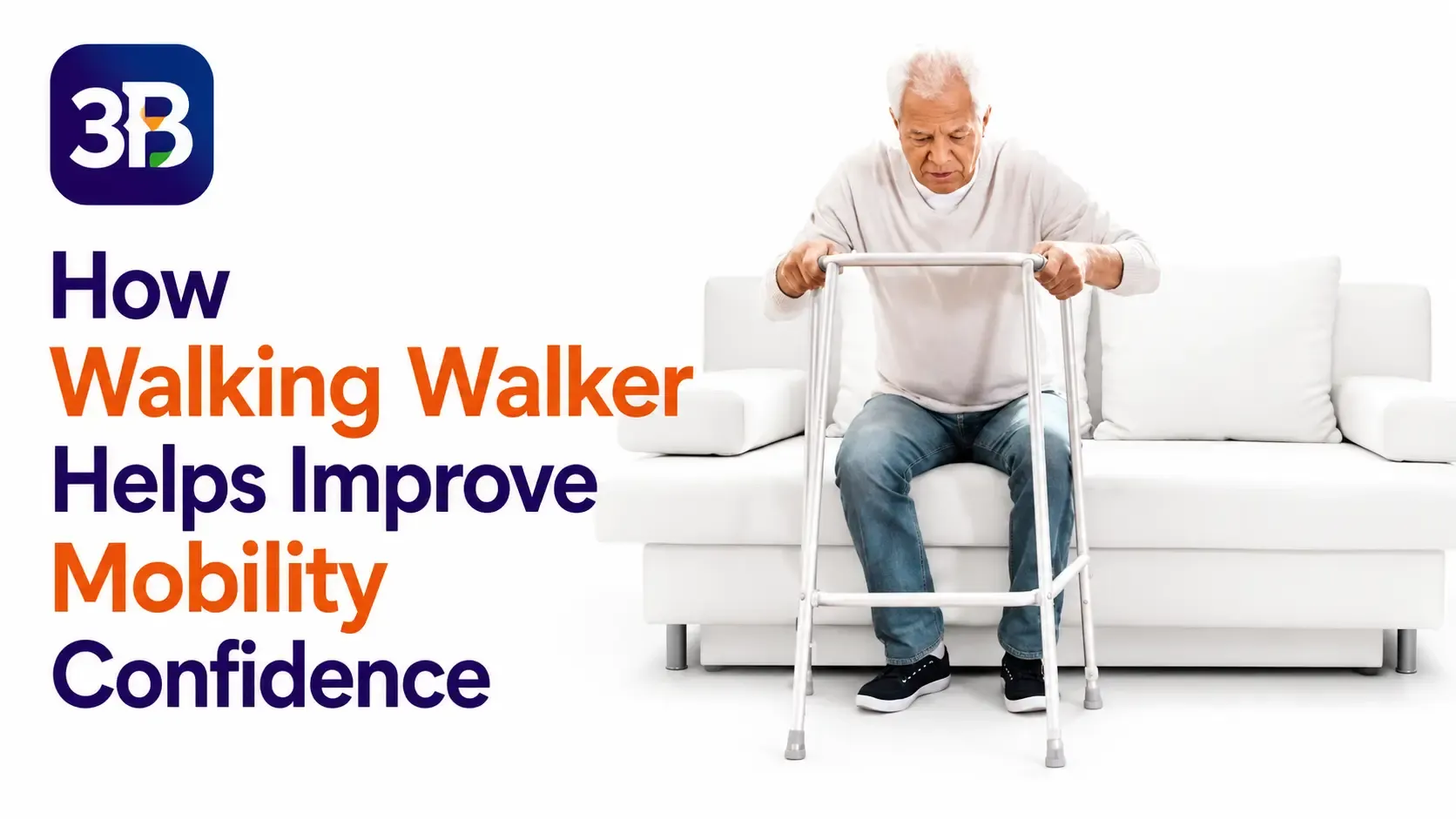
mobility. A walking walker helps break this cycle by providing stable support,
improving posture, reducing pressure on joints, and encouraging safe movement.
With consistent use, seniors gain confidence to walk independently, perform
everyday activities, and participate in rehabilitation programs. A high-quality
walking walker not only improves physical mobility but also enhances emotional
well-being by restoring independence and reducing the fear of falling. If
you're looking for reliable mobility solutions, explore Mobility Aids
that support safer walking and independent living.
Why Mobility Confidence Declines with Age
Growing older naturally affects the body's strength,
flexibility, balance, and coordination. Muscle loss, weaker bones, slower
reflexes, and chronic health conditions make everyday movement more challenging
than it was during younger years. Many elderly individuals experience one or
more falls, causing them to lose confidence while walking even after they
physically recover. This psychological fear often becomes a bigger obstacle
than the medical condition itself. Seniors begin avoiding stairs, parks,
shopping trips, family gatherings, or even walking around their own homes
because they worry about losing balance. Reduced activity gradually weakens
muscles further, increasing dependence on others for simple daily tasks. A
walking walker helps rebuild confidence by providing reliable support that
encourages safe and regular movement. Along with mobility assistance, Home
Healthcare Products help create a safer environment for elderly individuals
both indoors and outdoors.
How a Walking Walker Builds Confidence Step by Step
A walking walker provides much more than physical support it
offers psychological reassurance that every step can be taken safely. The
sturdy frame creates a stable base, allowing seniors to distribute body weight
evenly and reduce pressure on weak knees, hips, and ankles. Instead of worrying
about falling, users can focus on walking naturally and maintaining proper
posture. As confidence increases, elderly individuals gradually walk longer
distances, spend more time outdoors, and participate more actively in daily
routines. Every successful step reinforces trust in their own abilities,
reducing anxiety and encouraging independence. Over time, this improved
confidence contributes to better rehabilitation outcomes, healthier aging, and
a more active lifestyle. Healthcare professionals often recommend combining walkers
with Rehabilitation Equipment to accelerate recovery and improve
mobility.
Medical Conditions That Benefit from Walking Walkers
Walking walkers are widely recommended for seniors
experiencing mobility limitations caused by various medical conditions.
Individuals recovering from knee replacement surgery, hip replacement surgery,
fractures, spinal surgery, or stroke frequently require additional support
while regaining strength. Seniors living with arthritis, osteoporosis,
Parkinson's disease, multiple sclerosis, diabetic neuropathy, muscle weakness,
or chronic balance disorders also benefit from the stability provided by
walkers. Even elderly individuals who have experienced repeated falls may
regain confidence through regular walker-assisted mobility. By supporting safe
walking and reducing stress on healing joints, walkers enable users to remain
active throughout their recovery. Many rehabilitation plans also include Orthopedic
Supports to provide additional joint stability during movement.
How Walking Walkers Reduce Fear of Falling
Fear of falling is one of the biggest reasons elderly
individuals stop participating in regular physical activity. After a fall or
serious illness, many seniors begin limiting movement because they no longer
trust their balance. Unfortunately, avoiding movement weakens muscles, reduces
coordination, and increases the likelihood of future falls. A walking walker
helps overcome this fear by providing continuous support during standing, walking,
and turning. Its sturdy frame improves stability while encouraging proper
walking posture and controlled movement. As users experience safe mobility
without falling, their confidence gradually returns. This renewed confidence
motivates them to continue exercising, walking outdoors, attending social
events, and maintaining independence. Patients recovering from injuries often
monitor their progress using Healthcare Calculators to track important
health indicators.
Everyday Activities That Become Easier with a Walking
Walker
A walking walker enables elderly individuals to perform
daily activities safely while reducing dependence on caregivers.
- Walking
safely inside the home
- Moving
between different rooms
- Using
the bathroom independently
- Preparing
simple meals
- Visiting
hospitals and clinics
- Attending
physiotherapy sessions
- Shopping
for groceries
- Walking
in parks or gardens
- Participating
in light exercise
- Visiting
friends and family confidently
These activities become significantly easier because the
walker provides continuous stability while encouraging independent movement.
Many seniors also improve daily comfort with Daily Living Aids that
simplify routine household activities.
Physical Health Benefits of Regular Walking with a Walker
Regular walking is one of the safest and most effective
forms of exercise for elderly individuals, especially when supported by a
walker. Walking strengthens leg muscles, improves cardiovascular health,
increases joint flexibility, and enhances blood circulation throughout the
body. Better circulation delivers oxygen and nutrients to muscles and healing
tissues, supporting faster recovery after surgery or injury. Regular movement
also helps maintain healthy body weight, improves posture, strengthens bones,
and reduces stiffness caused by prolonged inactivity. Using a walker encourages
seniors to remain physically active while minimizing unnecessary strain on
painful joints. Over time, improved mobility leads to greater endurance and
better overall physical health. Many rehabilitation programs also incorporate Physiotherapy
Equipment to further strengthen muscles and improve balance.
Emotional Benefits of Improved Mobility Confidence
Mobility affects much more than physical health it has a
direct impact on emotional well-being. Seniors who feel confident walking
independently often experience lower stress levels, reduced anxiety, and
improved self-esteem. Being able to perform everyday activities without
constant assistance restores a sense of purpose and independence. Walking
outdoors, visiting friends, attending religious gatherings, or participating in
family events becomes enjoyable rather than stressful. Increased mobility also
reduces feelings of loneliness and social isolation that commonly affect
elderly individuals with limited movement. As confidence grows, seniors become
more motivated to remain active and continue participating in rehabilitation
exercises. This positive cycle supports both mental and physical health throughout
the aging process.
Medical Disclaimer: Always consult your doctor or
physiotherapist before selecting a walking walker. The appropriate walker
depends on your medical condition, rehabilitation stage, and mobility
requirements.
Choosing the Right Walking Walker
Selecting the right walking walker is one of the most
important steps toward improving mobility confidence. Every elderly individual
has different mobility needs depending on age, height, weight, balance, muscle
strength, and medical condition. A properly fitted walker allows the user to
stand upright with elbows slightly bent, reducing unnecessary strain on the
shoulders, wrists, and lower back. Lightweight aluminum walkers are popular
because they are durable, easy to maneuver, and resistant to rust. Foldable
designs make storage and transportation more convenient, especially for seniors
who frequently visit hospitals or physiotherapy centers. Comfortable hand grips
reduce hand fatigue during longer walks, while anti-slip rubber tips provide
better traction on indoor floors. Choosing a walker that matches the user's
rehabilitation goals allows seniors to move safely, confidently, and
independently throughout the day. Families looking for dependable mobility
solutions can explore Walking Aids suitable for both home and outdoor
use.
Different Types of Walking Walkers
Walking walkers are available in several designs to meet
different mobility requirements. Standard walkers provide maximum stability and
are generally recommended for seniors recovering from surgery or those with
significant balance problems. Two-wheel walkers make forward movement easier
while still maintaining excellent support, making them suitable for users who
have regained some walking confidence. Foldable walkers are lightweight and
easy to transport, making them ideal for compact homes and regular hospital
visits. Rollator walkers feature four wheels, ergonomic brakes, built-in seats,
and storage compartments, making them suitable for longer outdoor walks and
active seniors. Heavy-duty walkers provide reinforced frames for individuals
requiring higher weight capacities without compromising stability. Choosing the
appropriate walker depends on the user's mobility level, physical strength, and
healthcare professional's recommendation. Many elderly individuals also benefit
from Patient Care Equipment that supports safer recovery and independent
living.
Walking Walker vs Walking Stick vs Rollator Walker
|
Feature |
Walking
Walker |
Walking
Stick |
Rollator
Walker |
|
Stability |
Excellent |
Moderate |
Excellent |
|
Balance
Support |
Maximum |
Basic |
High |
|
Wheels |
Optional |
No |
Four Wheels |
|
Seat
Available |
No |
No |
Yes |
|
Hand Brakes |
No |
No |
Yes |
|
Indoor Use |
Excellent |
Good |
Excellent |
|
Outdoor Use |
Good |
Moderate |
Excellent |
|
Best For |
Rehabilitation
& Fall Prevention |
Mild Support |
Active
Seniors |
Safety Tips for Building Mobility Confidence
Using a walking walker correctly is essential for improving
confidence while minimizing the risk of falls. Before each use, inspect the
walker to ensure the frame, rubber tips, wheels (if applicable), and adjustment
mechanisms are secure. The walker should always remain close to the body while
walking rather than being pushed too far ahead. Seniors should maintain an
upright posture, take slow and controlled steps, and avoid sudden turns that
may affect balance. Inside the home, walkways should remain free from loose
rugs, electrical cables, wet floors, and unnecessary clutter. Wearing non-slip
footwear further improves stability and confidence during movement. Individuals
recovering from respiratory illnesses may also benefit from Oxygen
Concentrators when prescribed by their healthcare provider.
Disclaimer: Always use your walker according to your
doctor's or physiotherapist's instructions. Incorrect adjustment or improper
walking techniques may reduce stability and delay rehabilitation.
Common Mistakes That Reduce Mobility Confidence
Many elderly individuals unknowingly make mistakes that
reduce the effectiveness of their walking walker. One common error is using a
walker adjusted to the wrong height, forcing poor posture and increasing
discomfort in the shoulders, neck, and back. Some users walk too quickly before
regaining adequate balance, increasing the likelihood of falls. Others push the
walker too far ahead instead of keeping it close to their body, reducing
stability during movement. Ignoring routine maintenance such as replacing worn
rubber tips or tightening loose frame components can also compromise safety.
Carrying heavy bags directly on the walker frame may affect balance and
steering. Following proper walking techniques, attending physiotherapy
sessions, and maintaining the equipment regularly allow seniors to build
confidence safely. Many recovering patients also improve home safety with Hospital
Bed designed for rehabilitation.
Maintaining Your Walking Walker
Routine maintenance helps ensure a walking walker remains
safe, reliable, and comfortable for everyday use. Users should inspect the
frame regularly for loose screws, cracks, or structural damage. Rubber tips
should be replaced whenever they become worn to maintain proper grip on
different flooring surfaces. Walkers with wheels should have their wheels
cleaned regularly to remove dirt and debris that could interfere with movement.
Folding mechanisms should operate smoothly without sticking, while hand grips
should remain secure and comfortable. Proper storage in a clean, dry
environment protects the frame from corrosion and extends the lifespan of the
mobility aid. Regular maintenance not only improves safety but also gives
seniors greater confidence knowing their walker is dependable. Families may
also improve overall home safety with Bedroom Safety Products designed
for elderly care.
Why Buy a Walking Walker from Aarogyaa Bharat?
Aarogyaa Bharat offers a carefully selected range of
premium-quality walking walkers designed to improve mobility, confidence, and
independence for elderly individuals. Every walker is chosen for its
lightweight construction, durable frame, ergonomic design, and dependable
performance to meet different rehabilitation and mobility needs. Customers can
explore standard walkers, foldable walkers, wheeled walkers, and rollator
walkers from trusted healthcare brands. Along with mobility aids, Aarogyaa
Bharat provides home healthcare equipment, orthopedic products, rehabilitation
devices, wellness products, and patient care essentials under one trusted
platform. Whether recovering from surgery, managing arthritis, or preventing
falls, customers can find reliable healthcare solutions tailored to their
needs. Healthcare products are also available through Pune Healthcare Store,
Mumbai Healthcare Store, Delhi Healthcare Store, Bengaluru
Healthcare Store, Chennai Healthcare Store, Hyderabad Healthcare
Store, Kolkata Healthcare Store, and Ahmedabad Healthcare Store,
making quality healthcare products accessible across India.
Conclusion
Mobility confidence is essential for maintaining an active, healthy, and independent lifestyle during aging. A walking walker provides the stability, balance, and support needed to help elderly individuals overcome the fear of falling while encouraging regular physical activity. By improving posture, reducing joint strain, and supporting safer movement, walkers allow seniors to perform everyday tasks with greater confidence and less dependence on others. Whether recovering from surgery, managing chronic health conditions, or simply seeking better stability, the right walking walker can transform daily life and improve overall well-being. Aarogyaa Bharat is committed to helping seniors regain confidence through trusted mobility solutions that support safer movement, successful rehabilitation, and long-term independence.
Medical Disclaimer: This blog is for educational
purposes only and should not replace professional medical advice. Always
consult your doctor or physiotherapist before selecting or using a walking
walker based on your individual health condition.