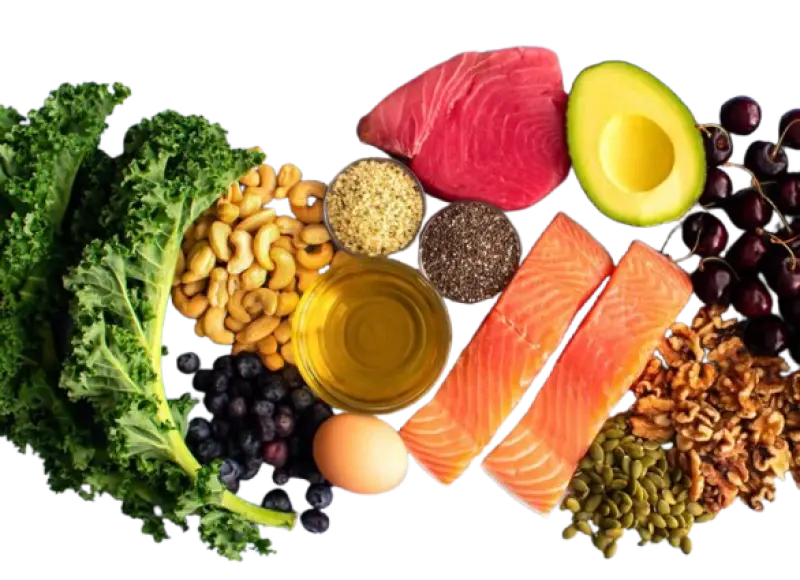
Introduction: You Are What You Eat-Literally
We hear this often, but we rarely pause to truly reflect on it. Your daily diet isn't just about filling your stomach-it's the fuel that runs every system of your body. From your brain to your bones, from your mood to your metabolism, what you eat today shapes your health tomorrow.
In Ayurveda, the word ‘Aarogya’ doesn't just mean the absence of disease-it refers to a state of complete physical, mental, and emotional balance. And diet plays a central role in maintaining this balance.
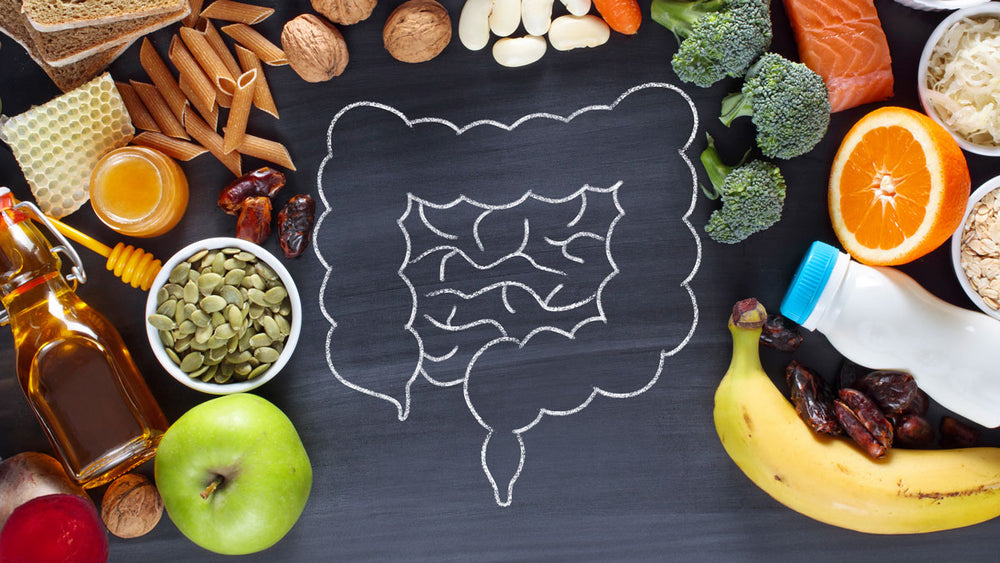
How Food Shapes Your Physical Health
Immunity Starts in the Gut
A major part of your immune system is in your digestive tract. If your gut is nourished with the right nutrients-fiber, probiotics, antioxidants-it functions as a natural shield against infections, inflammation, and even chronic diseases.Energy and Strength
Balanced meals rich in carbohydrates, proteins, and healthy fats give you consistent energy and muscle strength, helping you stay active throughout the day. Skipping meals or eating highly processed foods can lead to fatigue, low productivity, and even early burnout.Weight Management
What you eat and how often you eat affects your metabolism. A well-planned diet can help prevent obesity, heart issues, and diabetes. On the other hand, irregular eating habits and junk food can cause stubborn weight gain and poor metabolic health.Organ Function and Longevity
Your liver, heart, kidneys-all rely on the nutrients you consume. A fiber-rich, antioxidant-packed diet improves organ function and may add years to your life, while a diet high in trans fats or refined sugars silently damages vital organs over time.
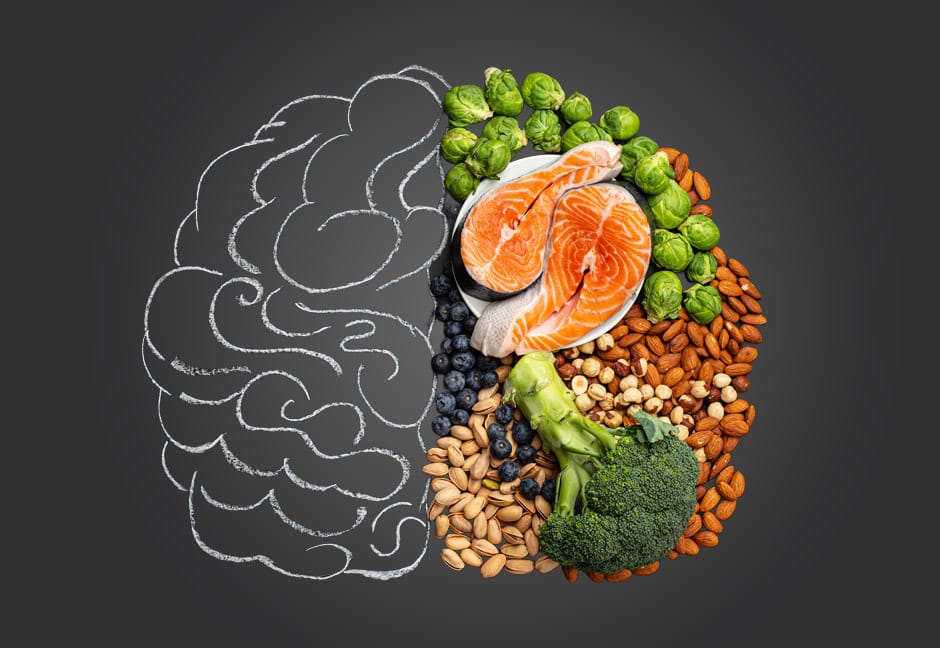
How Diet Affects Mental and Emotional Health
Mood and Stress Levels
Did you know that certain foods-like leafy greens, seeds, nuts, and whole grains-can naturally lift your mood and reduce stress? These foods boost serotonin levels and promote emotional balance.Focus and Memory
Omega-3 fatty acids (found in fish, flaxseeds, and walnuts) support brain function. Meanwhile, excessive caffeine or sugar can lead to mental fog, anxiety, or crashes in energy.Sleep Quality
A poor diet filled with stimulants, sugar, or processed food disrupts your sleep patterns. On the other hand, foods rich in magnesium, melatonin, and healthy fats promote better, deeper sleep.
Diet and Disease Prevention: The Long-Term Game
A poor diet is a slow poison. It may not hurt you today, but over time, it can contribute to lifestyle diseases like high BP, diabetes, hormonal imbalance, acidity, thyroid issues, and even some cancers.
On the other hand, people who follow a nutrient-dense, seasonal, and plant-forward diet often experience fewer illnesses, faster recovery, and greater vitality.
Small Diet Changes That Make a Big Impact
| Unhealthy Habit | Healthier Swap |
|---|---|
| Skipping breakfast | Begin with soaked almonds & fruits |
| Frequent fried snacks | Roasted nuts or seasonal fruits |
| Sugary beverages | Infused water, herbal tea, buttermilk |
| Eating late at night | Finish dinner before 8 PM |
| Heavy dinners | Light soups, khichdi, or sabzi-roti |
Cultural Wisdom: Indian Diets Are Inherently Balanced
Traditional Indian diets, when prepared mindfully, are full of healing spices, seasonal produce, and diverse nutrients. Turmeric for inflammation, cumin for digestion, and ghee for gut health-our kitchens have always doubled as our medicine cabinets.
Sadly, fast food culture and packaged meals are replacing these wholesome traditions. Reclaiming your aarogya means going back to simple, clean, home-cooked food made with love and purpose.

Conclusion: Let Food Be Your First Medicine
Your diet is the foundation of your health. It decides how you feel, how you perform, and how resilient your body is-today and in the long run.
Taking charge of your diet doesn’t mean going on extreme plans or starving yourself. It simply means listening to your body, eating with awareness, and making better choices-meal by meal.