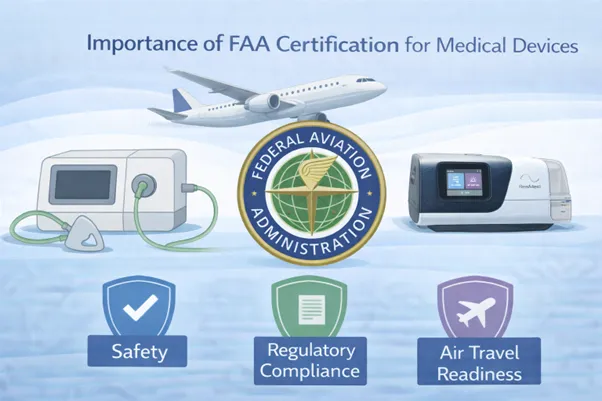
This is where FAA certification for medical devices becomes
essential.
At Aarogyaa Bharat, we regularly advise healthcare providers, medical equipment suppliers, and aviation-medical operators on selecting devices that are safe, compliant, and approved for use in aviation environments. This in-depth guide explains what FAA certification is, why it matters, which medical devices require it, certification pathways, global relevance, risks of non-compliance, and FAQs in clear, practical language.
What Is FAA Certification for Medical Devices?
FAA certification refers to approval or acceptance by the
Federal Aviation Administration (FAA) the regulatory authority responsible for
aviation safety in the United States.
When applied to medical devices, FAA certification ensures
that a device:
- Can
operate safely in an aircraft environment
- Does
not interfere with aircraft navigation or communication systems
- Performs
reliably at high altitude and varying pressure
- Meets
aviation electrical and electromagnetic safety requirements
FAA approval is mandatory for certain medical devices used
onboard aircraft and strongly recommended for others.
FAA certified medical devices
Why FAA Certification Is Important in Healthcare &
Aviation
Unlike hospitals, aircraft environments are:
- Electrically
sensitive
- Space-restricted
- Pressure-controlled
- Vibration-intensive
- Dependent
on uninterrupted safety systems
A malfunctioning medical device onboard an aircraft can:
- Endanger
the patient
- Interfere
with flight systems
- Force
emergency landings
- Cause
legal and regulatory consequences
Key Reasons FAA Certification Matters
- Protects
patient life during air transport
- Ensures
flight safety
- Prevents
electromagnetic interference (EMI)
- Enables
legal use in aircraft
- Reduces
liability for airlines and operators
medical devices approved for aircraft use
Medical Equipment Used in Aircraft
Who Regulates FAA Certification?
The Federal Aviation Administration (FAA) oversees:
- Aircraft
safety
- Avionics
and electrical systems
- Portable
electronic devices (PEDs)
- Medical
equipment used onboard
FAA certification may involve:
- FAA
technical approval
- Aircraft
manufacturer approval (Boeing, Airbus)
- Supplemental
Type Certificates (STC)
- Operator-specific
approvals
Which Medical Devices Require FAA Approval?
FAA approval is required or strongly advised for devices
used:
- During
flight
- In
air ambulances
- In
helicopters
- In
emergency evacuation scenarios
Common FAA-Relevant Medical Devices
- Portable
oxygen concentrators (POCs)
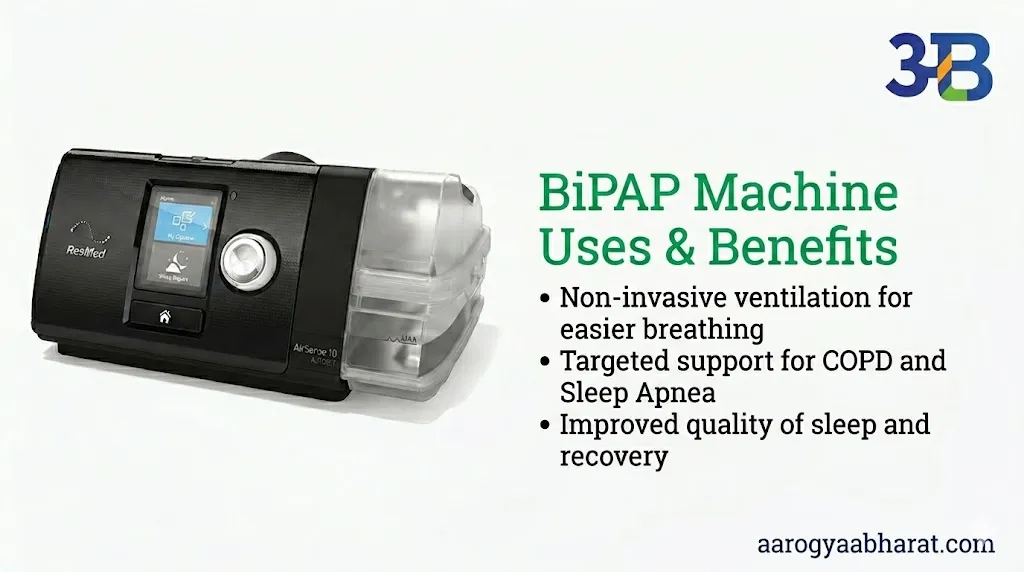
- CPAP
and BiPAP machines
- Ventilators
- Defibrillators
(AEDs)
- Patient
monitors
- Infusion
pumps
FAA approved medical equipment
FAA-Approved Portable Oxygen Concentrators (POCs)
One of the most common FAA-regulated medical devices is the
portable oxygen concentrator.
Why FAA Approval Is Critical
- Oxygen
delivery must remain stable at altitude
- Device
must not interfere with aircraft electronics
- Battery
systems must meet aviation safety rules
Only FAA-approved POCs are permitted on commercial flights.
FAA approved oxygen concentrator
FAA-Approved Oxygen Concentrator in Aircraft
FAA Certification vs Medical Regulatory Approval
This distinction is very important.
|
Aspect |
FAA
Certification |
FDA / CE
Approval |
|
Focus |
Aviation
safety |
Medical
safety & performance |
|
Environment |
Aircraft
conditions |
Clinical
environments |
|
Authority |
FAA |
FDA / EU MDR |
|
Mandatory |
For aircraft
use |
For market
access |
|
Scope |
In-flight
operation |
Patient
treatment |
A device can be FDA-approved but still NOT FAA-approved.
FAA Certification Pathways for Medical Devices
1. Manufacturer FAA Approval
Manufacturers test devices for:
- EMI/EMC
compliance
- Altitude
performance
- Battery
safety
2. Airline / Operator Approval
Some airlines maintain approved device lists.
3. STC (Supplemental Type Certificate)
Used when devices are permanently installed in aircraft
(e.g., air ambulances).
Key FAA Safety Considerations
1. Electromagnetic Interference (EMI)
Devices must not interfere with:
- Navigation
- Communication
- Flight
control systems
2. Power & Battery Safety
- Lithium
battery restrictions
- Overheating
prevention
- Secure
power management
3. Mechanical Stability
- Vibration
resistance
- Secure
mounting
- Turbulence
tolerance
FAA EMI compliance medical devices
Medical Device EMI Testing for Aircraft
Why FAA Certification Matters for Air Ambulances
Air ambulances rely on:
- Ventilators
- Monitors
- Infusion
pumps
- Defibrillators
Failure of any device mid-air can be fatal.
FAA-approved equipment ensures:
- Reliable
performance at altitude
- Compatibility
with aircraft systems
- Regulatory
compliance
Why FAA Certification Matters for Hospitals &
Home-Care Patients
Hospitals and patients benefit because:
- Patients
can travel safely
- Airlines
accept approved devices
- Emergency
transport is safer
- International
travel becomes possible
medical device air travel safety
Risks of Using Non-FAA-Approved Devices
Device malfunction at altitude
Flight system interference
Airline refusal
Legal liability
Insurance rejection
Global Recognition of FAA Certification
Although FAA is a US authority:
- Many
airlines worldwide follow FAA guidance
- FAA
approval improves global acceptance
- Often
referenced by aviation regulators internationally
Future Trends in Aviation Medical Devices
- Increased
demand for in-flight oxygen therapy
- Expansion
of telemedicine in air transport
- Stricter
battery safety rules
- More integration with aircraft systems
Conclusion
FAA certification plays a vital role in protecting patient
lives beyond hospital settings. As medical care becomes more mobile through air
ambulances, international travel, and emergency evacuations the importance of
FAA-approved medical devices continues to grow.
At Aarogyaa Bharat, we strongly recommend choosing
FAA-certified medical equipment whenever devices are used in aviation
environments, ensuring safety for patients, caregivers, and flight operations
alike.