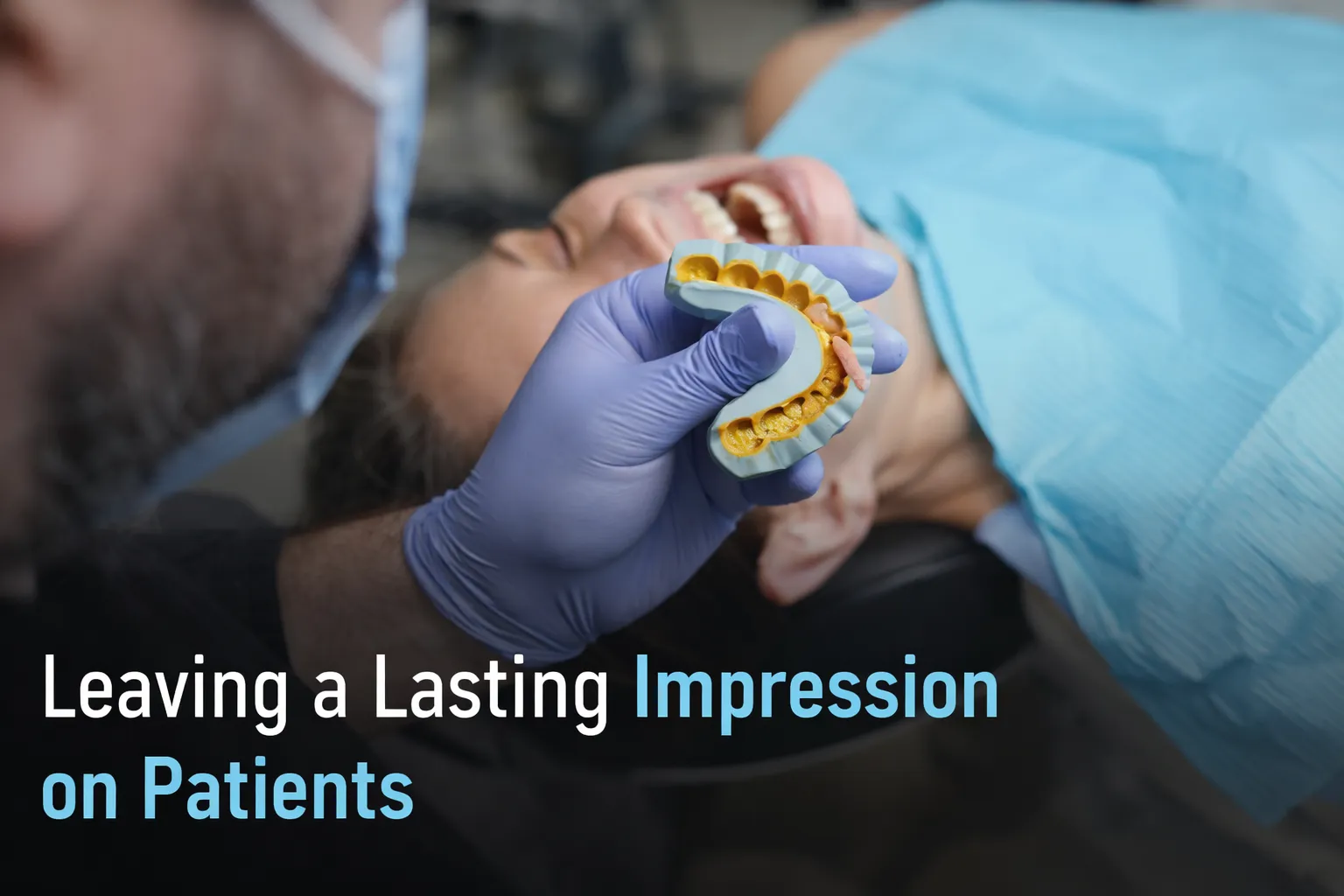
Those were the days of dental impressions a foundational yet
transformative aspect of dentistry that continues to play a vital role in
patient care today.
At Aarogyaa Bharat, we recognize the importance of
precision-driven dental tools and materials that help dental professionals
deliver accurate, comfortable, and lasting results. This blog takes you through
the world of dental impressions blending nostalgia with modern advancements while
highlighting their significance in creating positive patient experiences.
What Are Dental Impressions?
Dental impressions are negative replicas of oral structures,
capturing the precise shape and position of teeth and surrounding tissues.
These impressions are used to create positive models or casts that aid in
diagnosis, treatment planning, and fabrication of dental prostheses.
From crowns and bridges to dentures and orthodontic
appliances, dental impressions form the backbone of restorative and prosthetic
dentistry.
Why Dental Impressions Matter in Patient Care
A well-taken dental impression goes beyond technical
accuracy it directly influences patient comfort, treatment success, and
long-term satisfaction.
Accurate impressions help ensure:
- Proper
fit of dental restorations
- Reduced
chairside adjustments
- Improved
aesthetics and functionality
- Enhanced
patient trust and confidence
In short, impressions leave a lasting impression both
clinically and emotionally.
The Evolution of Dental Impression Materials
Dentistry has come a long way from the early days of messy
mixes and time-sensitive setting reactions.
1. Alginate Impressions
Often a dental student’s first encounter with
impression-making, alginate is cost-effective and easy to use. It is commonly
employed for:
- Preliminary
impressions
- Study
models
- Orthodontic
casts
While convenient, alginate requires precise timing and
immediate pouring to maintain accuracy.
2. Elastomeric Impression Materials
Elastomers brought a revolution in dental impressions by
offering superior accuracy and dimensional stability.
These include:
- Polyvinyl
siloxane (PVS)
- Polyether
They are widely used for crowns, bridges, implants, and
advanced prosthodontic procedures.
3. Impression Plasters and Compounds
Though less common today, impression plasters and compounds
laid the foundation for modern techniques and are still used in select clinical
situations.
Digital Impressions: The Modern Shift
The advent of digital dentistry has transformed
impression-taking. Intraoral scanners now allow dentists to capture accurate 3D
images without traditional trays and materials.
Benefits of Digital Impressions:
- Enhanced
patient comfort
- Faster
turnaround time
- Improved
accuracy
- Seamless
integration with CAD/CAM systems
Digital impressions represent the future of dentistry combining
technology with patient-centric care.
Patient Experience: More Than Just a Procedure
For patients, impression-taking can often be associated with
discomfort, gag reflex, or anxiety. A skilled clinician, supported by
high-quality materials, can make this process smoother and more reassuring.
Key factors that improve patient experience include:
- Choosing
the right impression material
- Proper
tray selection
- Clear
communication and reassurance
- Efficient
and confident handling
At Aarogyaa Bharat, we emphasize solutions that help dental
professionals prioritize patient comfort without compromising accuracy.
Common Challenges in Dental Impressions
Despite advancements, impression-taking still requires
expertise.
Common challenges include:
- Air
bubbles or voids
- Distortion
due to improper handling
- Patient
discomfort or movement
- Time
constraints
Using reliable, high-quality materials significantly reduces
these challenges and enhances clinical outcomes.
Why Quality Dental Materials Matter
The success of a dental impression depends heavily on the
quality of materials used. High-quality impression materials ensure:
- Consistent
performance
- Dimensional
stability
- Reduced
remakes
- Better
prosthetic outcomes
Trusted suppliers like Aarogyaa Bharat support dental
professionals with products that meet clinical demands and patient
expectations.
Frequently Asked Questions (FAQs)
Q1. Why are dental impressions important?
They provide accurate models needed to fabricate dental
restorations that fit and function properly.
Q2. Are digital impressions better than traditional ones?
Digital impressions offer greater comfort and speed, but
both methods are effective when performed correctly.
Q3. What is the most commonly used dental impression
material?
Alginate is commonly used for preliminary impressions, while
elastomers are preferred for precision work.
Q4. How can patient discomfort during impressions be
reduced?
Using proper techniques, high-quality materials, and clear
communication helps improve patient comfort.
Conclusion
From the dusty prosthetic labs of dental school to high-tech
digital clinics, dental impressions remain a cornerstone of dentistry. They
symbolize not just a technical procedure, but a moment where precision meets
patient trust.
Leaving a lasting impression on patients begins with the
tools and materials we choose and the care we bring to every step of the
process.
At Aarogyaa Bharat, we remain committed to supporting dental
professionals with quality-driven solutions that help create confident smiles
and lasting impressions.