At the same time, the protective mechanisms of the lungs weaken significantly. The cough reflex becomes sluggish, allowing mucus and pathogens to accumulate in the airways. Tiny hair-like structures called cilia, which normally sweep debris out of the lungs, slow down with age. Immune surveillance inside lung tissue declines, increasing vulnerability to infections and prolonging recovery time. Because of these combined factors, elderly individuals face a much higher risk of developing chronic respiratory diseases and severe complications from seemingly minor infections or environmental triggers.
Why Respiratory Illness Is More Dangerous in Elderly
Individuals
Respiratory illnesses behave very differently in elderly
patients compared to younger adults. In seniors, diseases progress faster,
symptoms appear later, and recovery is slower and often incomplete. Conditions
such as COPD, asthma, pneumonia, bronchiectasis, and post-viral lung damage
frequently coexist with heart disease, diabetes, or kidney disorders, making
respiratory management more complex and riskier. A single respiratory infection
can destabilize multiple organ systems, leading to hospitalization or prolonged
dependency.
Another major challenge is symptom underreporting. Many
elderly patients normalize breathlessness, fatigue, or chronic cough, delaying
medical intervention until the condition becomes severe. Low oxygen levels may
not always cause obvious distress initially, but they silently impair brain
function, muscle strength, balance, and immunity. This makes early and
consistent respiratory support critical. Devices that ensure reliable
medication delivery without demanding physical or cognitive effort become
essential rather than optional in elderly care.
Why Nebulizer Therapy Is a Cornerstone of Elderly Home
Healthcare
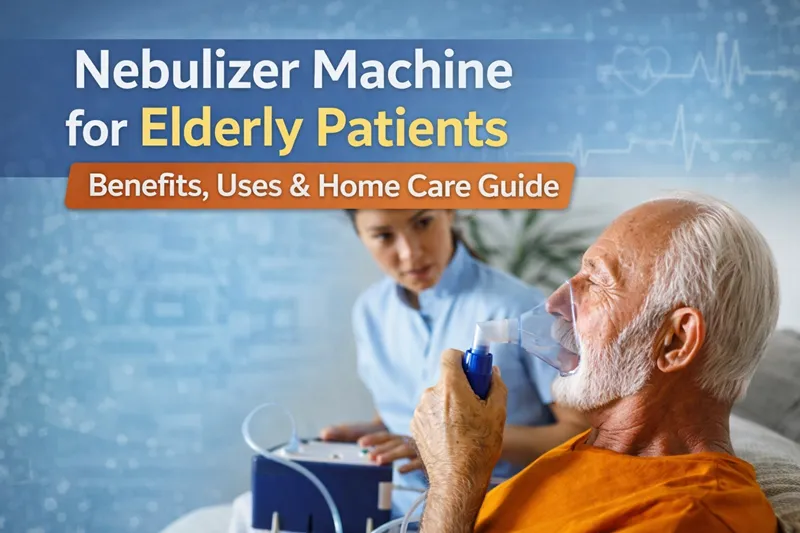
Nebulizer therapy has become a cornerstone of modern elderly
home healthcare because it bridges the gap between hospital-grade treatment and
home comfort. A nebulizer converts liquid medication into a fine aerosol mist
that is inhaled naturally over several minutes. This slow, steady delivery
allows medication to penetrate deep into the lungs while minimizing systemic
side effects and physical strain.
For elderly patients with arthritis, tremors, poor grip
strength, visual impairment, memory loss, anxiety, or cognitive decline,
inhalers often fail due to improper technique. Nebulizers remove this barrier
entirely. The patient does not need to coordinate breathing, press devices, or
inhale forcefully. They simply breathe normally. This makes nebulizers
especially valuable for seniors who are weak, bed-bound, or recovering from
acute illness, ensuring consistent and effective treatment every time.
What Is a Nebulizer and How It Works in Elderly
Respiratory Care
A nebulizer is a medical device designed to deliver
respiratory medication directly into the lungs by transforming liquid medicine
into microscopic aerosol particles. These particles travel deep into the
airways, bypassing the digestive system and reducing medication loss in the
throat. This targeted delivery is particularly beneficial for elderly patients
whose lungs require direct, localized therapy rather than systemic drug
absorption.
Compressor nebulizers use pressurized air to atomize
medication and are widely preferred for elderly home use due to their
reliability and compatibility with nearly all medications. Ultrasonic
nebulizers generate mist using high-frequency vibrations and are quieter but
limited in medication compatibility. Mesh nebulizers employ advanced membrane
technology to produce ultra-fine particles and are silent, portable, and highly
efficient. Regardless of technology, nebulizers provide dependable medication
delivery even when lung capacity and breathing strength are compromised.
Why Nebulizer Therapy Works Better Than Inhalers for
Seniors
Nebulizer therapy offers multiple advantages over inhalers,
particularly in elderly populations. One of the most critical benefits is
elimination of coordination dependence. Inhalers require correct timing,
sufficient inspiratory force, and proper hand-breath synchronization tasks that
many seniors struggle with due to physical or neurological limitations.
Nebulizers also allow longer medication exposure time,
ensuring better absorption into inflamed and mucus-filled airways. This makes
them far more effective for severe obstruction, chronic mucus retention, and
frequent exacerbations. Additionally, nebulizers reduce anxiety related to
breathing difficulty. Knowing that medication delivery is effortless and
reliable gives elderly patients a sense of security, which itself improves
breathing patterns and overall compliance with therapy.
Respiratory Conditions in the Elderly That Commonly
Require Nebulization
Nebulizer therapy is frequently prescribed for elderly
patients with chronic respiratory conditions that require ongoing airway
support. COPD remains the leading indication, as aging lungs struggle to
compensate for airflow limitation and chronic inflammation. Regular nebulized
bronchodilators and steroids help maintain airway patency and reduce symptom
severity.
Asthma in seniors often presents atypically and may worsen
at night or during infections. Nebulization offers rapid relief during acute
episodes. Pneumonia, bronchiectasis, post-COVID lung fibrosis, chronic
bronchitis, allergic airway disease, and recurrent chest infections all benefit
from nebulization due to its ability to clear secretions and deliver medication
deep into affected lung segments. In many cases, nebulizers prevent disease
progression and reduce repeated hospital admissions.
Choosing the Right Nebulizer Machine for Elderly Patients
Selecting the appropriate nebulizer requires balancing
medical effectiveness with daily usability. Medication compatibility should be
the first consideration, as not all nebulizers support steroid or antibiotic
formulations. Ease of operation is equally important elderly patients and
caregivers benefit from simple controls, minimal assembly, and clear
instructions.
Noise level plays a significant role, particularly for
night-time therapy or anxious patients. Mask quality and comfort are critical
to prevent air leakage and facial irritation. Portability may matter for
seniors attending rehabilitation sessions or traveling. Finally, warranty
coverage and service availability ensure uninterrupted therapy over months or
years of use, which is crucial in chronic respiratory management.
Nebulizer vs Inhaler for Elderly Patients (Detailed
Comparison)
|
Feature |
Nebulizer |
Inhaler |
|
Physical
Effort Required |
Very Low |
High |
|
Coordination
Needed |
None |
Significant |
|
Suitable for
Cognitive Impairment |
Yes |
No |
|
Medication
Delivery Depth |
Deep Lung |
Limited |
|
Use During
Severe Breathlessness |
Safe |
Difficult |
|
Treatment
Duration |
10–15 Minutes |
Seconds |
|
Effectiveness
in Chronic Disease |
High |
Variable |
|
Caregiver
Assistance |
Moderate |
High |
How to Maintain a Nebulizer for Elderly Long-Term Use
Proper maintenance is essential for safety and treatment
effectiveness. After every session, the medication cup, mask, and tubing should
be cleaned thoroughly with warm soapy water and allowed to air-dry. Weekly
disinfection prevents bacterial growth and reduces infection risk, which is
especially important in immunocompromised seniors.
Filters should be checked regularly and replaced according
to manufacturer guidelines. Mesh nebulizers require careful handling to avoid
clogging of the membrane. Consistent maintenance not only extends device life
but also ensures that elderly patients receive uncontaminated medication every
time.
Integrating Nebulizer Therapy into Daily Elderly Care
For best results, nebulizer therapy should be part of a
structured daily routine. Morning sessions help clear overnight mucus buildup,
while evening sessions stabilize breathing before sleep. During infections or
flare-ups, additional sessions may be required under medical guidance.
Caregivers should maintain a medication log, symptom diary,
and oxygen level chart to track progress and detect early warning signs. When
combined with physiotherapy, breathing exercises, hydration, and nutritional
support, nebulizer therapy becomes a powerful tool for long-term respiratory
stability.
Conclusion: Nebulizers as a Lifeline for Elderly
Respiratory Independence
A nebulizer machine for elderly patients is not merely a
treatment device it is a daily support system that preserves comfort, dignity,
and independence. By delivering medication directly into the lungs with minimal
effort, nebulizers reduce complications, prevent hospitalizations, and
significantly improve quality of life.
With the right device, proper usage, and consistent
caregiver involvement, elderly individuals can breathe easier, remain active,
and live with greater confidence despite chronic respiratory challenges.