The Basics: What Are Nebulizers and Inhalers?
Before we dive into the mind-blowing facts, let's quickly review what nebulizers and inhalers are:
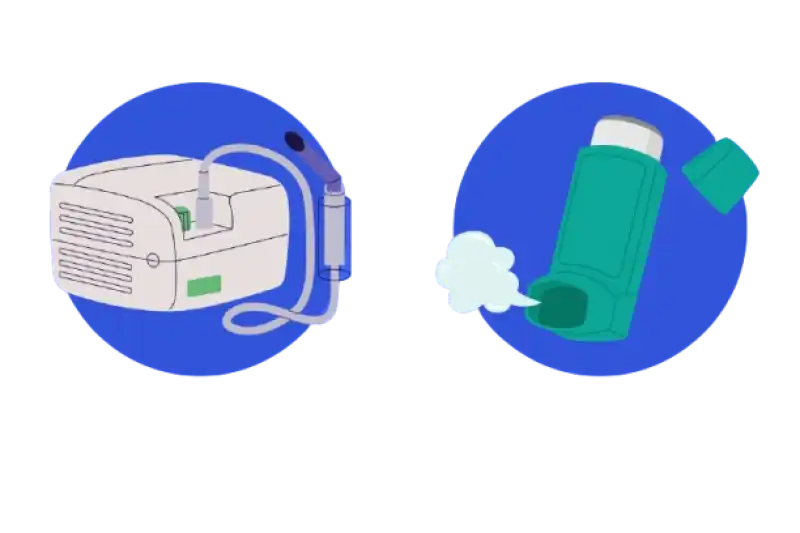
Nebulizers: These are devices that turn liquid medication into a fine mist that can be inhaled through a mask or mouthpiece.
Inhalers: These are handheld devices that deliver a measured dose of medication in aerosol form, which is inhaled directly into the lungs.
Now that we've got the basics covered, let's explore some fascinating facts about these two devices!
Fact 1: Nebulizers and Inhalers Work Differently
You might think that nebulizers and inhalers are just different ways of doing the same thing, but that's not entirely true. The way they deliver medication to your lungs is quite different:
How Nebulizers Work
Nebulizers use compressed air or ultrasonic power to break up liquid medication into tiny droplets. These droplets form a mist that you can breathe in easily through a mask or mouthpiece. The process is passive, meaning you just need to breathe normally to get the medication.
How Inhalers Work
Inhalers, on the other hand, require more active participation. When you press down on the inhaler, it releases a measured dose of medication in aerosol form. You need to inhale deeply and quickly at the right moment to get the medication into your lungs effectively.
This difference in operation can make a big impact on how well the medication works, especially for certain groups of people.
Fact 2: Nebulizers May Be More Effective for Some People
While both nebulizers and inhalers can be effective, nebulizers might have an edge for certain individuals:
Young children: Kids might find it hard to use an inhaler correctly, but using a nebulizer is as easy as breathing normally.
Elderly individuals: Older adults with conditions like arthritis might struggle with the coordination needed to use an inhaler effectively.
People with severe asthma attacks: During a bad asthma attack, it can be hard to take the deep breath needed for an inhaler to work well. A nebulizer allows for normal breathing, which can be easier in these situations.
"For some patients, especially those who have difficulty using inhalers, nebulizers can be a game-changer in managing their respiratory conditions."
Fact 3: Inhalers Are More Portable and Quicker to Use
While nebulizers might have some advantages, inhalers aren't without their strengths:
Portability: Inhalers are small and can easily fit in a pocket or purse, making them ideal for use on-the-go.
Speed: An inhaler can deliver a dose of medication in just a few seconds, while a nebulizer treatment typically takes 10-15 minutes.
Discretion: Using an inhaler is less noticeable than setting up a nebulizer, which can be important for some people.
These factors make inhalers a popular choice for many people, especially those with mild to moderate asthma or COPD who need quick relief.
Fact 4: The Type of Medication Can Determine the Device
Here's something you might not have realized: the choice between a nebulizer and an inhaler isn't always up to personal preference. Sometimes, the type of medication you need determines which device you'll use.
Medications for Nebulizers
Some medications are only available in liquid form and must be used with a nebulizer. These often include:
Antibiotics for certain respiratory infections
Some types of steroids
Certain medications for cystic fibrosis
Medications for Inhalers
Other medications come in forms specifically designed for inhalers, such as:
Metered-dose inhalers (MDIs): These contain medication in a pressurized canister
Dry powder inhalers (DPIs): These deliver medication in a fine powder form
It's important to use the device that your medication is designed for to ensure you're getting the right dose and the best effect.
Fact 5: Nebulizers and Inhalers Require Different Cleaning and Maintenance
The last mind-blowing fact is about the care these devices need. You might be surprised to learn how different the cleaning and maintenance requirements are for nebulizers and inhalers.
Caring for Your Nebulizer
Nebulizers require regular and thorough cleaning to prevent the growth of bacteria and mold. This typically involves:
Washing the mask or mouthpiece after each use
Disinfecting the nebulizer cup daily
Replacing certain parts every few months
Caring for Your Inhaler
Inhalers, on the other hand, are much simpler to maintain:
The mouthpiece should be wiped clean regularly
The inhaler should be stored in a clean, dry place
Most inhalers don't need to be disassembled for cleaning
This difference in maintenance needs can be a factor to consider when choosing between a nebulizer and an inhaler, especially for people who might have difficulty with detailed cleaning tasks.
Conclusion: Rethinking Your Breathing Routine
As we've seen, nebulizers and inhalers are more different than they might appear at first glance. From how they work to who they're best for, and from the medications they use to how they're maintained, these devices each have their own unique characteristics.
Understanding these differences can help you make more informed decisions about your respiratory health. If you're currently using one of these devices and wondering if the other might be a better fit, it's worth having a conversation with your healthcare provider. They can help you weigh the pros and cons based on your specific situation and needs.
Remember, the goal is to find the most effective way to manage your respiratory health. Whether that's with a nebulizer, an inhaler, or a combination of both, the right choice is the one that helps you breathe easier and live better.