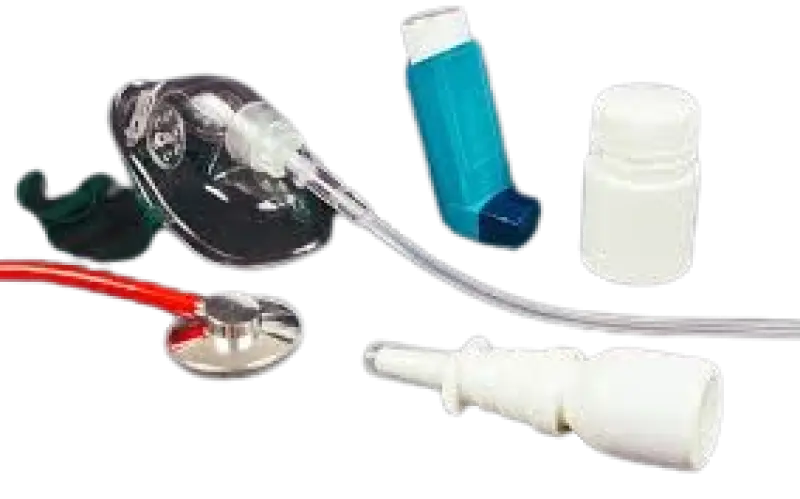
Introduction
Respiratory conditions such as asthma, COPD, bronchitis, and allergic airway disorders require timely and effective medication delivery. Two of the most commonly used devices for administering respiratory medication are nebulizers and inhalers. While both serve the same purpose—delivering medicine directly into the lungs—their method of delivery, ease of use, and suitability vary depending on the patient’s age, condition severity, and coordination ability. Choosing the right device is essential for effective symptom management and faster relief. At Aarogyaa Bharat, we help families make informed healthcare decisions by understanding not just products but patient needs. This guide explains the differences between nebulizers and inhalers so you can choose the best option for your respiratory health.
What Is a Nebulizer?
A nebulizer is a medical device that converts liquid medication into a fine mist, which is inhaled through a mask or mouthpiece. The patient breathes normally while the device continuously delivers medication over several minutes. Nebulizers are especially useful for children, elderly individuals, or patients who struggle with breathing coordination. They are commonly recommended during severe asthma attacks or acute respiratory distress when steady medication delivery is required. Nebulizers are often used in hospitals but are also widely available for home use. At aarogyaabharat.com, you can find compact, portable nebulizers designed for convenient daily therapy.
What Is an Inhaler?
An inhaler is a handheld device that delivers a measured dose of medication in aerosol or powder form directly into the lungs. The most common types are Metered Dose Inhalers (MDIs) and Dry Powder Inhalers (DPIs). Inhalers act quickly and are highly portable, making them ideal for emergency use. However, proper coordination between pressing the device and inhaling deeply is essential for effective delivery. Spacers are sometimes recommended to improve technique, especially for children. Inhalers are widely prescribed for long-term asthma control and quick-relief medication. They are compact, easy to carry, and suitable for active individuals who need on-the-go treatment.
Key Differences Between Nebulizer and Inhaler
| Feature | Nebulizer | Inhaler |
|---|---|---|
| Delivery Method | Converts liquid to mist | Delivers measured spray/powder |
| Ease of Use | Easy, minimal coordination needed | Requires coordination |
| Treatment Time | 5–15 minutes | Few seconds |
| Portability | Moderate (portable models available) | Highly portable |
| Best For | Children, elderly, severe cases | Quick relief, mild to moderate cases |
Both devices are effective when used correctly, but patient comfort and medical advice determine the best choice.
When Is a Nebulizer Better?
A nebulizer is often preferred for infants, elderly patients, or individuals experiencing severe respiratory distress. It is easier to use because it does not require precise timing between inhalation and activation. During acute asthma attacks or severe bronchospasm, continuous mist delivery can provide consistent relief. Nebulizers are also beneficial for patients who feel weak or have difficulty using handheld devices. For home ICU setups or long-term respiratory care, nebulizers offer reliable therapy support. Aarogyaa Bharat provides high-quality nebulizers suitable for safe and effective home use.
When Is an Inhaler Better?
An inhaler is ideal for quick symptom relief and daily maintenance therapy. It is lightweight, portable, and convenient for individuals who need immediate access to medication. For mild to moderate asthma, inhalers are usually sufficient and faster than nebulizers. Patients who have mastered inhalation technique benefit greatly from the efficiency of inhalers. With the addition of a spacer device, coordination challenges can be reduced. Inhalers are often recommended for school-going children, working adults, and active individuals requiring rapid relief.
Benefits of Choosing the Right Device
-
Ensures effective medication delivery
-
Reduces risk of uncontrolled asthma attacks
-
Improves breathing comfort and lung function
-
Supports long-term respiratory health
-
Enhances patient compliance and safety
Selecting the right device improves treatment outcomes and reduces emergency complications.
Which One Should You Choose?
The choice between a nebulizer and an inhaler depends on medical condition, age, severity of symptoms, and ease of use. Doctors often recommend inhalers for routine management and nebulizers for severe or emergency cases. Some patients may even require both devices as part of their treatment plan. Always consult a healthcare professional before switching devices or medication types. Aarogyaa Bharat encourages evidence-based decisions to ensure optimal respiratory care.
Conclusion
Both nebulizers and inhalers are effective respiratory devices designed to deliver medication directly to the lungs. While inhalers provide quick and convenient relief, nebulizers offer easy, steady medication delivery for patients requiring extra support. The best choice depends on individual health needs and doctor recommendations. At Aarogyaa Bharat, we are committed to helping families choose safe and reliable respiratory care solutions. Visit aarogyaabharat.com to explore trusted nebulizer options and home healthcare equipment designed for better breathing and improved quality of life.