When the lungs are no longer capable of absorbing enough oxygen from ambient air, the body enters a state of chronic hypoxia, where vital organs such as the brain, heart, kidneys, and muscles are forced to function under oxygen-starved conditions. Over time, this leads to progressive organ damage, frequent hospital admissions, reduced mobility, cognitive decline, and ultimately a shorter lifespan.
In India, where respiratory illnesses are rising due to air pollution, smoking, occupational exposure, post-COVID lung scarring, and an aging population, the demand for long-term oxygen therapy has increased dramatically. Families are now shifting from hospital-based oxygen care to home-based therapy using modern oxygen concentrators that are safer, more reliable, and far more cost-effective than traditional oxygen cylinders. At Aarogyaa Bharat, we witness daily how the right oxygen concentrator, combined with proper guidance and monitoring, transforms long-term patients from being bedbound and anxious into individuals who can breathe comfortably, sleep better, and regain control over their lives.
What Is Long-Term Oxygen Therapy (LTOT) and Who Needs It?
Long-term oxygen therapy refers to the regular or continuous use of supplemental oxygen for patients whose blood oxygen levels remain persistently low even when they are at rest. It is typically prescribed for individuals whose oxygen saturation (SpO₂) stays below 88–90% or whose arterial oxygen pressure (PaO₂) remains below medically safe thresholds. Unlike short-term oxygen therapy used during infections, injuries, or surgical recovery, LTOT is often a lifelong requirement for patients with irreversible lung or heart damage.
Patients who qualify for LTOT usually experience chronic breathlessness, fatigue, sleep disturbances, morning headaches, memory problems, and reduced exercise tolerance. These symptoms arise because oxygen-starved tissues cannot generate sufficient energy, forcing the body into a constant survival mode. Without oxygen therapy, such patients face a high risk of heart failure, pulmonary hypertension, arrhythmias, and sudden respiratory collapse. LTOT stabilizes blood oxygen levels, reduces strain on the heart, and significantly improves survival rates in severe COPD and other chronic lung diseases.
How an Oxygen Concentrator Enables Long-Term Oxygen Therapy at Home
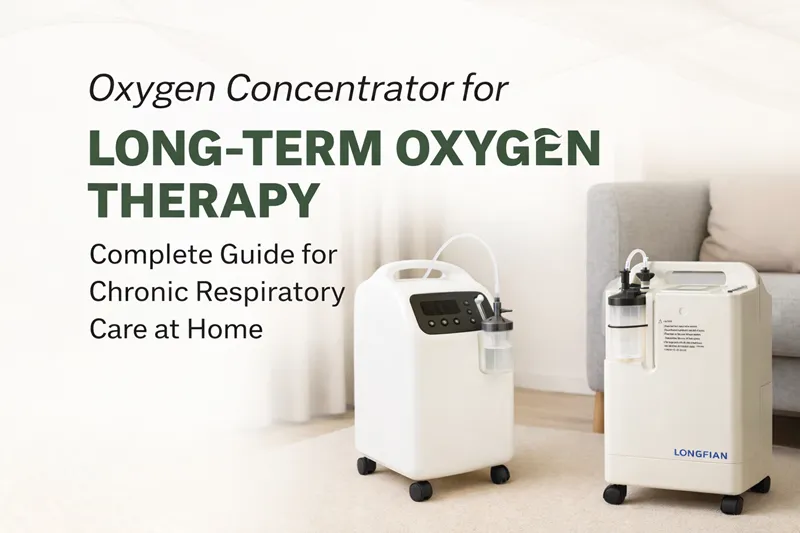
An oxygen concentrator is a medical device that extracts oxygen from the surrounding air, removes nitrogen and trace gases, and delivers high-purity oxygen usually between 90% and 96% to the patient through a nasal cannula or oxygen mask. Unlike oxygen cylinders, which store a limited amount of compressed oxygen that must be refilled frequently, concentrators generate oxygen continuously as long as they are connected to a power source. This makes them uniquely suited for long-term therapy where oxygen is needed for many hours per day, often round the clock.
For LTOT patients, reliability is everything. Even brief interruptions in oxygen supply can cause distress, chest discomfort, confusion, and dangerous drops in oxygen saturation. Oxygen concentrators eliminate refill dependency, reduce logistical complexity, and provide uninterrupted oxygen support at home. Modern concentrators are also designed to operate quietly, consume less electricity, and function safely for extended durations. At Aarogyaa Bharat, we strongly recommend oxygen concentrators as the gold standard for long-term home oxygen therapy due to their safety profile, cost efficiency, and reliability.
Chronic Medical Conditions That Require Long-Term Oxygen Therapy
Long-term oxygen therapy is prescribed for a wide range of chronic illnesses that impair oxygen exchange or oxygen delivery to tissues. The most common indication is chronic obstructive pulmonary disease (COPD), where progressive airway obstruction and lung tissue damage cause persistent hypoxia. Advanced COPD patients often require oxygen for 15–24 hours per day to maintain stable oxygen levels and prevent life-threatening complications.
Other major conditions include interstitial lung disease (ILD), pulmonary fibrosis, bronchiectasis, cystic fibrosis, and severe asthma, all of which reduce lung capacity and impair gas exchange efficiency. Cardiac conditions such as congestive heart failure and pulmonary hypertension may also require LTOT due to reduced blood oxygen transport. In recent years, post-COVID lung scarring has emerged as a significant cause of long-term oxygen dependency among Indian patients, many of whom continue to struggle with breathlessness months after recovery.
Benefits of Long-Term Oxygen Therapy with a Concentrator
Long-term oxygen therapy offers a wide range of clinical, psychological, and functional benefits when administered correctly. One of the most important advantages is improved survival, particularly in patients with severe COPD and chronic hypoxemia. Maintaining adequate oxygen levels reduces strain on the heart, lowers the risk of arrhythmias, and prevents hypoxic brain injury.
Patients on LTOT often experience better sleep quality, fewer morning headaches, improved mental clarity, and increased physical endurance. Oxygen therapy also reduces chronic breathlessness, alleviates anxiety related to breathing difficulty, and allows patients to perform daily activities with greater ease. Many patients report renewed confidence, improved appetite, and better emotional well-being after starting consistent oxygen therapy. At Aarogyaa Bharat, we have seen LTOT dramatically improve patient independence and reduce hospital readmissions.
Types of Oxygen Concentrators for Long-Term Oxygen Therapy
Low-Flow Oxygen Concentrators (1-3 LPM)
Low-flow oxygen concentrators are designed for patients who require mild oxygen supplementation for extended periods. These machines are compact, energy-efficient, and relatively quiet, making them suitable for elderly patients and small home environments. They are commonly prescribed for early-stage COPD, mild interstitial lung disease, and post-COVID lung weakness.
While low-flow concentrators are affordable and easy to maintain, they may not provide sufficient oxygen for patients with moderate to severe hypoxia. Using an underpowered machine can worsen symptoms and compromise therapy effectiveness. At Aarogyaa Bharat, we recommend low-flow models only for patients whose oxygen needs are consistently low and medically stable.
Medium-Flow Oxygen Concentrators (1-5 LPM)
Medium-flow concentrators are the most widely used option for long-term oxygen therapy because they offer flexibility, durability, and strong performance. These machines deliver adjustable oxygen flow rates and maintain high oxygen purity even at higher settings, making them suitable for a wide range of chronic respiratory conditions.
Patients with moderate COPD, pulmonary fibrosis, bronchiectasis, and heart failure often benefit most from 5 LPM concentrators. These machines are powerful enough to support daytime activity, nighttime sleep, and short-term exacerbations without requiring equipment upgrades. At Aarogyaa Bharat, 5 LPM concentrators are our top recommendation for most LTOT patients due to their balance of reliability, efficiency, and long-term value.
High-Flow Oxygen Concentrators (5-10 LPM)
High-flow oxygen concentrators are engineered for patients with severe respiratory failure who require sustained high oxygen volumes. These machines are equipped with heavy-duty compressors, advanced cooling systems, and enhanced filtration to support continuous high-output operation without overheating or pressure instability.
They are typically prescribed for advanced COPD, interstitial lung disease, pulmonary hypertension, and ICU-level home care needs. While high-flow concentrators consume more electricity and occupy more space, they provide unmatched reliability for critically ill patients. At Aarogyaa Bharat, we recommend 10 LPM concentrators for patients with progressive or end-stage respiratory conditions.
LTOT Flow Rate Selection Guide
| Medical Condition | Typical SpO₂ Range | Recommended Flow Rate | Suggested Machine |
|---|---|---|---|
| Mild COPD | 90–92% | 1–2 LPM | 3 LPM |
| Moderate COPD | 85–89% | 2–4 LPM | 5 LPM |
| Severe COPD | <85% | 4–8 LPM | 10 LPM |
| Pulmonary Fibrosis | 85–90% | 2–5 LPM | 5–10 LPM |
| Post-COVID Lung Damage | 88–92% | 1–5 LPM | 5 LPM |
| Pulmonary Hypertension | <88% | 4–10 LPM | 10 LPM |
| Congestive Heart Failure | 88–90% | 2–4 LPM | 5 LPM |
Always follow doctor-prescribed flow rates and avoid self-adjustment.
How to Choose the Right Oxygen Concentrator for Long-Term Use
Selecting the right concentrator for long-term oxygen therapy requires careful evaluation of both medical and lifestyle factors. The most critical parameter is the doctor-prescribed flow rate, which determines whether a 3 LPM, 5 LPM, or 10 LPM machine is appropriate. Patients must also consider how many hours per day they will use oxygen, as machines designed for continuous use must have robust compressors and efficient cooling systems.
Other essential considerations include oxygen purity stability, noise level, electricity consumption, portability, ease of maintenance, and service availability in your city. Patients living in areas with frequent power outages should prioritize machines compatible with inverters or UPS systems. At Aarogyaa Bharat, we provide personalized consultations to help patients select the most suitable concentrator based on their medical condition, home environment, and long-term therapy goals.
Power Backup Planning for LTOT Patients
Power reliability is a major concern for LTOT patients because even short interruptions in oxygen supply can cause severe distress and medical complications. Households using concentrators for long-term therapy should invest in an inverter, UPS, or generator capable of supporting the machine for several hours.
Portable oxygen concentrators with built-in batteries can also serve as temporary backup devices during power cuts or patient transportation. At Aarogyaa Bharat, we help families design complete oxygen therapy setups that include stationary concentrators, portable backups, and power support systems to ensure uninterrupted care.
Electricity Consumption and Monthly Cost Estimate
| Machine Type | Power Usage | Daily Use (hrs) | Monthly Units | Monthly Cost (₹)* |
|---|---|---|---|---|
| 3 LPM | 280–350 W | 15 hrs | 126–157 kWh | ₹900–₹1,300 |
| 5 LPM | 350–450 W | 18 hrs | 189–243 kWh | ₹1,400–₹2,000 |
| 10 LPM | 550–650 W | 24 hrs | 396–468 kWh | ₹3,000–₹4,000 |
Costs based on ₹7–₹9/unit average tariff in India.
Safety Guidelines for Long-Term Oxygen Use
Using an oxygen concentrator safely is essential for long-term therapy success. The machine should be placed in a well-ventilated area at least 12–18 inches away from walls to allow proper airflow and cooling. Avoid placing it near open flames, smoking areas, or flammable materials, as oxygen increases fire risk.
Filters, humidifier bottles, and oxygen tubing should be cleaned regularly to prevent bacterial growth and maintain oxygen purity. Patients should monitor oxygen saturation using a pulse oximeter and avoid increasing flow rates without medical advice. Aarogyaa Bharat provides complete installation guidance and safety training to ensure safe, trouble-free long-term oxygen use.
Rental vs Buying for Long-Term Oxygen Therapy
| Factor | Renting | Buying |
|---|---|---|
| Upfront Cost | Low | High |
| Monthly Cost | ₹4,000–₹12,000 | ₹0 |
| Long-Term Value | Low | High |
| Ideal Duration | <6 months | >8–10 months |
| Maintenance | Included | Owner responsibility |
| Customization | Limited | Full control |
Buying is more economical for patients needing oxygen for more than 8–10 months.
Why Choose Aarogyaa Bharat for LTOT Solutions
At Aarogyaa Bharat, we specialize in medically certified oxygen concentrators for long-term home therapy across major Indian cities. Our machines are thoroughly tested before delivery to ensure consistent oxygen purity and reliable performance during continuous operation.
We offer:
-
3 LPM, 5 LPM, and 10 LPM concentrators
-
Doorstep delivery and professional installation
-
Rental and purchase options
-
Power backup solutions
-
Preventive maintenance
-
24/7 support
Conclusion
Long-term oxygen therapy is a life-sustaining treatment that requires careful planning, reliable equipment, and ongoing medical supervision. Choosing the right oxygen concentrator is the foundation of a successful LTOT program, ensuring consistent oxygen delivery, patient comfort, and long-term safety.
For dependable oxygen concentrators, transparent pricing, and expert guidance, trust Aarogyaa Bharat India’s trusted partner in long-term home oxygen therapy.