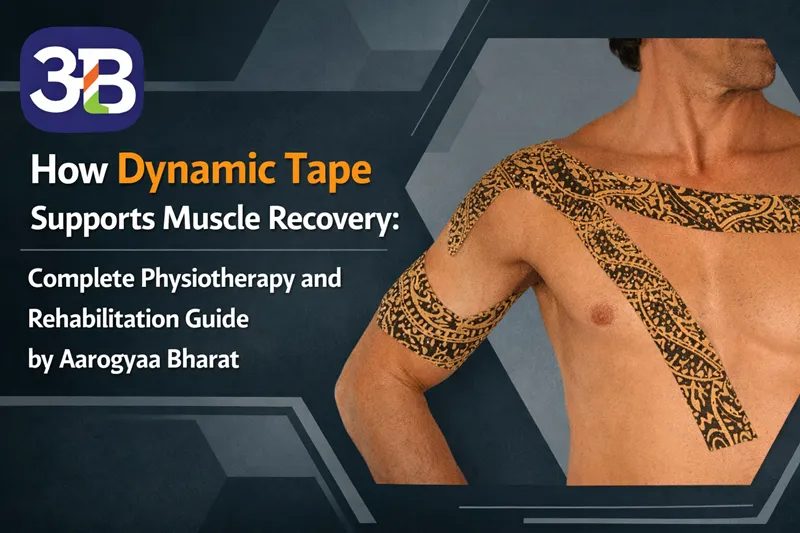
Understanding Muscle Recovery and Why Supportive Therapy
Matters
Muscle recovery is a complex biological process that
involves tissue repair, inflammation management, and gradual strengthening
after injury, overuse, or intense physical activity, and during this phase
muscles often remain vulnerable to excessive strain or incorrect movement
patterns that can slow healing or increase discomfort, which is why supportive
therapies such as dynamic taping are widely used to assist movement while
protecting healing tissues, allowing individuals to maintain functional mobility
without placing unnecessary stress on recovering muscles, making rehabilitation
safer and more effective in both clinical and home environments.
What Is Dynamic Tape and How It Works in Muscle Recovery
Dynamic tape is a highly elastic therapeutic tape engineered
to stretch in multiple directions and provide strong recoil, which allows it to
store energy during movement and release it to assist muscle function,
effectively acting like an external elastic support that reduces the effort
required from injured or fatigued muscles, and by absorbing load during
activities such as walking, lifting, or exercising, dynamic tape helps decrease
strain on tendons and joints while promoting smoother movement patterns, making
it particularly beneficial for individuals recovering from sports injuries,
post-surgical rehabilitation, or chronic musculoskeletal conditions.
The Biomechanics Behind Dynamic Tape and Muscle
Assistance
The effectiveness of dynamic tape lies in its ability to
alter force distribution across muscles and joints, allowing certain muscle
groups to rest while still enabling functional movement, and when applied
correctly along the direction of muscle fibers the tape provides resistance
that slows excessive motion while supporting controlled movement, which helps
reduce fatigue and encourages proper alignment during rehabilitation exercises,
ultimately improving muscle efficiency and reducing the risk of re-injury
during the recovery process.
Key Benefits of Dynamic Tape for Muscle Recovery
Dynamic tape offers multiple advantages for individuals
undergoing rehabilitation because it helps reduce mechanical load on injured
tissues, improves movement efficiency, and enhances endurance during therapy
sessions, while its strong elasticity allows patients to perform exercises with
greater confidence and less discomfort, and the tape’s breathable material
ensures long-term wearability, making it suitable for extended recovery periods
where consistent support is needed to promote healing and restore muscle
strength gradually.
Table: Benefits of Dynamic Tape in Muscle Recovery
|
Benefit |
How It
Helps Recovery |
Ideal Use
Case |
|
Load
Reduction |
Decreases
strain on muscles |
Sports
injuries |
|
Movement
Assistance |
Supports
natural motion |
Post-surgery
rehab |
|
Pain
Reduction |
Reduces
mechanical stress |
Chronic
muscle fatigue |
|
Improved
Endurance |
Enhances
movement efficiency |
Athletic
training |
|
Posture
Support |
Encourages
proper alignment |
Physiotherapy
sessions |
Dynamic Tape for Sports Injuries and High-Performance
Recovery
Athletes often rely on dynamic tape during rehabilitation
because it allows continued training while reducing stress on injured muscles,
and its ability to absorb energy during explosive movements such as sprinting
or jumping helps prevent further strain, enabling athletes to maintain
performance levels while gradually rebuilding strength, making it a valuable
tool for sports physiotherapy programs focused on balancing performance and
injury prevention.
Role of Dynamic Tape in Physiotherapy and Home
Rehabilitation
Dynamic tape is widely used in physiotherapy clinics to
support rehabilitation exercises, but it is also becoming increasingly popular in-home
healthcare because patients can continue receiving muscle support between
therapy sessions, and Aarogyaa Bharat promotes safe use of rehabilitation tools
that help individuals maintain mobility and reduce discomfort during recovery,
encouraging a balanced approach that combines professional physiotherapy
guidance with supportive home-care solutions.
How Dynamic Tape Helps Reduce Pain and Muscle Fatigue
One of the most important ways dynamic tapes support recoveries
is by redistributing forces away from overworked muscles, which reduces pain
signals and allows tissues to heal without excessive strain, and by assisting
movement the tape helps prevent compensatory patterns that may lead to
additional injuries, while the gentle resistance provided by the tape
encourages smoother and more controlled motion during daily activities and
exercise routines.
Table: Dynamic Tape vs Traditional Taping for Muscle
Recovery
|
Feature |
Dynamic
Tape |
Traditional
Tape |
|
Elastic
Strength |
High
multi-directional stretch |
Limited
flexibility |
|
Mechanical
Assistance |
Strong load
reduction |
Minimal
support |
|
Comfort
During Movement |
Very high |
Moderate |
|
Rehabilitation
Use |
Advanced
physiotherapy |
Basic
stabilization |
|
Performance
Support |
Excellent |
Limited |
Step-by-Step Guide to Applying Dynamic Tape for Muscle
Recovery
Proper application of dynamic tape begins with clean, dry
skin to ensure strong adhesion and prevent irritation, and the tape should be
applied along the muscle’s natural movement direction with appropriate tension
based on the rehabilitation goal, while avoiding excessive stretching that
could reduce comfort, and once applied patients should move gently to activate
the tape’s recoil properties, allowing it to assist muscle function during
activity while maintaining flexibility and natural range of motion.
Safety Tips and Precautions When Using Dynamic Tape
Although dynamic tape is generally safe, individuals should
avoid applying it over open wounds, irritated skin, or areas with poor
circulation, and those with sensitive skin should perform a small patch test
before full application to prevent allergic reactions, while removing the tape
slowly and carefully helps protect the skin and ensures a comfortable
rehabilitation experience.
Psychological Benefits of Dynamic Tape During Recovery
Beyond physical support, dynamic tape can improve confidence
because patients feel more secure performing movements when mechanical
assistance reduces discomfort, and this increased confidence often encourages
active participation in rehabilitation exercises, leading to faster recovery
and better long-term outcomes, particularly for individuals recovering from
injuries who may feel hesitant to move freely.
Aarogyaa Bharat - Supporting Muscle Recovery with
Advanced Rehabilitation Solutions
Aarogyaa Bharat is dedicated to promoting safe and effective
rehabilitation by providing trusted healthcare guidance and solutions that help
individuals manage pain, improve mobility, and achieve long-term wellness,
supporting both professional physiotherapy environments and home-based recovery
journeys with reliable resources and patient-focused care.
Conclusion
Dynamic tape is a powerful tool for supporting muscle
recovery because it combines flexibility, mechanical assistance, and comfort to
improve movement efficiency while reducing strain on healing tissues, and its
ability to assist muscles without restricting natural motion makes it an
essential part of modern physiotherapy and sports rehabilitation, helping
individuals recover faster, reduce pain, and regain confidence in their
physical abilities with the support of Aarogyaa Bharat’s holistic approach to
healthcare.