Introduction
Let me tell you something I wish I’d known when I first became a caregiver: lifting someone isn't about muscles, it’s about method.
I found this out the hard way while helping my aunt after her stroke. One awkward movement and I had a sore back for a week. She felt awful, I felt worse. That moment changed how I approached every movement afterward.
If you're in the same boat — trying to care for someone who can’t get around on their own — you’re not alone. And no, you don’t need to be a physiotherapist. You just need a bit of know-how, patience, and in some cases, the right equipment.
1. Don’t Try to Be a Hero — Ask for Help
If your loved one is completely immobile or heavier than you can comfortably manage, bring in help whenever you can. Two people moving someone together can avoid a lot of strain — and accidents.
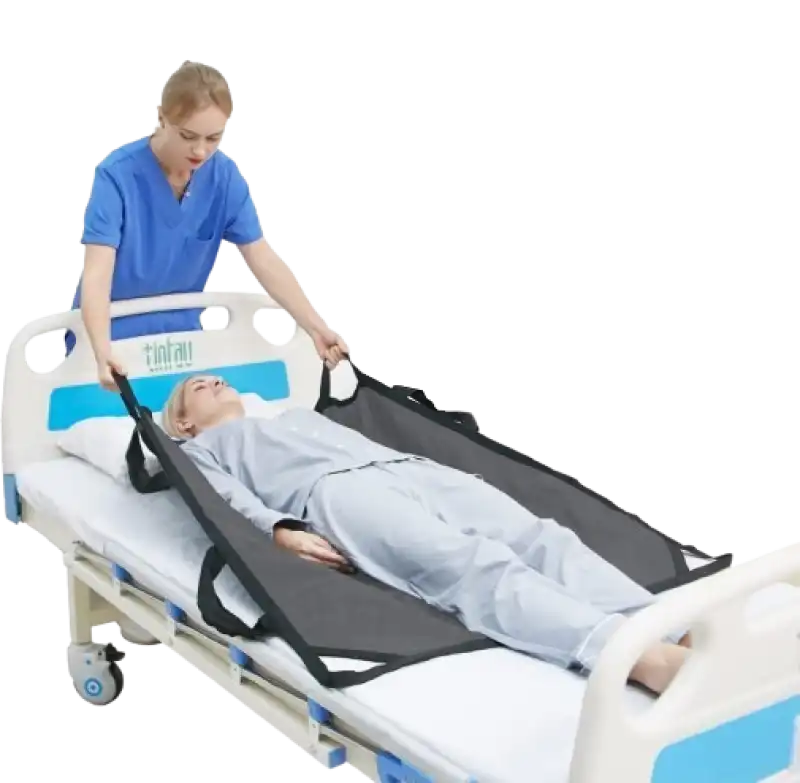
When help isn’t possible, tools like slide sheets, patient lifters, or adjustable hospital beds can truly be a game-changer. You don’t even need to buy them — places like Aarogyaa Bharat offer rentals that are affordable and delivered right to your doorstep.
2. Talk Before You Move
Even if the person can’t speak or respond, say what you’re doing before you do it: “I’m going to lift you now,” or “Let’s roll to your side.”
It’s not just polite — it helps them feel secure. A sudden move can be scary when you’re helpless in bed.
3. The Golden Rule: Lift with Your Legs
This one’s important. Most people bend their backs and strain their shoulders when trying to lift. Instead:
- Plant your feet firmly.
- Keep the person close to your center.
- Bend your knees and use your leg muscles.
- Move slowly — rushing only increases the risk of hurting both of you.
Trust me, once you get into this habit, your back will thank you.
4. Repositioning Without Risk
When lifting upward in bed:
- Flatten the bed completely.
- Tuck a cotton bedsheet under the patient like a sling.
- If someone is helping, stand together at the head of the bed.
- Count to three, then gently slide them upward — don’t pull with your arms alone.
When rolling them onto their side:
- Bend one of their legs (the one farthest from you).
- Place one hand on their shoulder, the other on their bent knee.
- Gently roll them toward you.
- Place a pillow behind their back for support.
Simple, gentle, effective.
5. Cushion Pressure Points — It Matters More Than You Think
Lying in bed all day can lead to painful pressure sores. Make it a habit to check their skin — especially around the heels, hips, elbows, and lower back. Use soft pillows or foam pads to relieve pressure in those areas.
And keep the bedsheets dry and wrinkle-free — even a small crease can cause discomfort over time.
6. Hospital Beds Make a Big Difference at Home
Adjustable hospital beds can do wonders — especially ones that can raise the backrest or lower the bed height. They reduce the effort needed to sit someone up, or help them get out of bed safely.
If buying isn’t feasible, rent one for a few months. Aarogyaa Bharat has a great range of hospital beds for home use — with support, installation, and doorstep delivery across cities.
7. Must-Have Tools for Safer Home Care
Here are some essentials that caregivers often swear by:
- Slide sheets – For easy repositioning.
- Patient lifters – Manual or electric for heavier transfers.
- Hospital beds – With remote-controlled features.
- Wheelchairs and commode chairs – For bathroom and mobility needs.
- Anti-bedsore air mattresses – For skin health.
Again, renting them is smart if you only need them temporarily.
FAQs
1: How often should a bedridden patient be repositioned?
Every 2 hours, if possible. It helps reduce pressure sores and keeps the circulation going.
2: What if I can’t lift them alone?
Don’t risk it. Use a lifter or wait for help. Your health matters too.
3: Are hospital beds available for rent in India?
Yes! You can rent fully adjustable hospital beds from aarogyaabharat.com — with delivery and setup included.
4: Can these methods be used after surgery recovery?
Absolutely. Whether it's temporary or long-term, these techniques are safe for most bedridden patients.
Final Thoughts
Being a caregiver isn’t easy. But with some guidance and the right support, you don’t have to do it all on your own — or hurt yourself in the process.
Take breaks. Ask for help. Use tools that make your job easier. And above all, remember: you’re doing an incredible thing.
🔗 Explore trusted rental and purchase options for hospital beds, lifters, and more at 👉 www.aarogyaabharat.com