Understanding Assisted Mobility Support in Healthcare
Systems
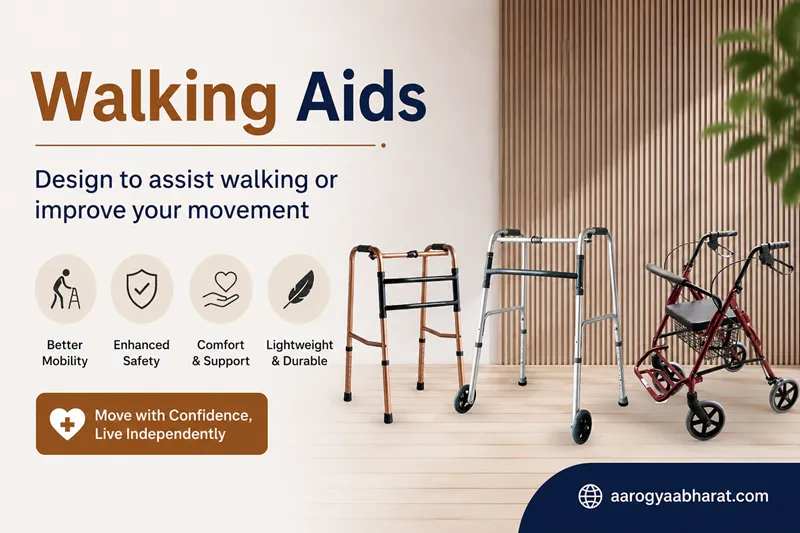
A walking walker for assisted movement is an essential
mobility aid used in elderly care and rehabilitation programs to help
individuals walk safely with external support. It is designed for people who
experience difficulty in maintaining balance, muscle weakness, or recovery
after surgery. In modern healthcare environments, such devices are widely used
in hospitals, physiotherapy centers, and home care setups. They allow users to
move with confidence while reducing the risk of falls and injuries. Assisted mobility
devices are often included in patient recovery plans based on clinical
assessment reports. These tools play a crucial role in improving independence
and quality of life. With increasing elderly populations in urban and rural
healthcare systems, demand for walking support devices is growing rapidly. They
are now considered a basic requirement in elder care and rehabilitation
management.
Design Structure and Engineering of Walking Support
Devices
Walking walkers are built using lightweight yet strong
materials such as aluminium alloys to ensure durability and ease of handling.
The structure is designed to provide maximum stability while allowing
controlled movement for the user. Ergonomic handles are included to reduce
strain on wrists and shoulders during prolonged use. Height-adjustable frames
ensure proper posture alignment for different users. Rubber-tipped legs or
wheel-based systems provide grip and prevent slipping on smooth surfaces.
Foldable designs make storage and transportation easy in both home and hospital
environments. The engineering focuses on balancing safety, comfort, and
mobility efficiency. These walkers are tested under healthcare safety standards
before being recommended for patient use.
Importance of Assisted Walking in Elderly Care
Assisted walking plays a significant role in improving
physical and emotional well-being among elderly individuals. A walking walker
helps reduce dependency on caregivers by enabling users to move independently.
It provides stability for individuals who have weak muscles or joint problems.
This increases confidence and reduces fear of falling during movement. Elderly
users can perform daily activities such as moving inside rooms, going to the
bathroom, or short-distance walking with ease. It also encourages physical
activity, which is essential for maintaining bone strength and cardiovascular
health. In rehabilitation programs, assisted walking helps restore mobility
gradually after medical treatment. It also improves mental health by promoting
independence and reducing isolation.
Comparison of Assisted Mobility Devices
|
Stability
Level |
Mobility
Support |
Usage Area |
Key
Advantage |
|
|
Standard
Walker |
Very High |
Limited
movement |
Hospital care |
Maximum
stability |
|
Walking
Walker |
High |
Moderate
movement |
Home and
rehab |
Balanced
support |
|
Rollator
Walker |
Medium to
High |
High mobility |
Indoor &
outdoor |
Comfort and
speed |
|
Cane Support |
Low |
Minimal
support |
Light balance
aid |
Easy
portability |
Each mobility device is designed for specific user needs
depending on their physical condition and recovery stage. Walking walkers are
ideal for individuals who need structured support while gradually regaining
independence. They offer a balanced combination of stability and controlled
mobility, making them suitable for most rehabilitation cases.
Safety Features and Modern Enhancements
Modern walking walkers include several safety features that
ensure secure movement for users. Anti-slip rubber tips or wheels provide
strong grip on indoor flooring surfaces. Reinforced frames ensure stability
even during uneven weight distribution. Height-adjustable handles help maintain
correct posture and reduce back strain. Some models include foldable locking
mechanisms for safe storage. Lightweight materials allow easy handling without
compromising strength. These safety enhancements are designed based on
hospital-grade mobility standards. They significantly reduce the risk of falls
and improve user confidence during walking. The focus remains on providing
secure and smooth assisted movement in all environments.
Role in Rehabilitation and Physiotherapy Programs
Walking walkers are widely used in physiotherapy and
rehabilitation programs to support recovery after surgeries, injuries, or
neurological conditions. Physiotherapists use these devices to help patients
regain strength and balance gradually. Controlled walking exercises improve
coordination and muscle recovery. In hospital environments, they are used for
post-operative rehabilitation after orthopaedic procedures such as knee or hip
replacement. They also support neurological recovery by encouraging controlled
movement patterns. Rehabilitation success depends on consistent practice and
proper guidance. Walking walkers provide a safe and structured way to achieve
recovery goals. They are an essential part of modern medical rehabilitation
protocols.
Home Care and Hospital Applications
Walking walkers are commonly used in both home care and
hospital environments due to their versatility and safety features. In
hospitals, they are used during patient recovery phases to support early
movement after treatment. In home care settings, they help elderly individuals
maintain independence in daily activities. Caregivers often rely on these
devices to reduce physical assistance requirements. Urban healthcare systems
increasingly recommend walking walkers for elderly patients living in apartments
or compact homes. They are also used in assisted living facilities where
mobility support is required throughout the day. Their adaptability makes them
suitable for a wide range of healthcare environments.
Maintenance and Long-Term Usage Guidelines
Proper maintenance of walking walkers ensures safety and
durability over long-term use. Regular cleaning helps remove dust and prevents
material wear. Rubber tips or wheels should be inspected frequently for damage
or wear. Screws and joints must remain tightly secured to avoid instability.
Storage in dry areas helps prevent rust or corrosion. Users should avoid using
walkers on rough outdoor surfaces unless specifically designed for it. Routine
inspection by caregivers or healthcare professionals ensures continued safety.
Proper maintenance extends product life and ensures reliable performance during
daily use.
Key Benefits of Walking Walker for Assisted Movement
- Improves
balance and walking stability
- Reduces
risk of falls and injuries
- Supports
post-surgery recovery
- Encourages
independent movement
- Enhances
confidence in elderly users
- Suitable
for home and hospital use
- Easy
to use and lightweight design
- Helps
in physiotherapy and rehabilitation
Conclusion
A Walking Walker for Assisted Movement is a vital mobility support system that enhances safety, independence, and confidence in daily life. It plays a crucial role in elderly care, hospital recovery, and rehabilitation programs by providing stable and controlled movement support. With advanced design features, safety mechanisms, and ergonomic structure, it is widely trusted in modern healthcare systems. Choosing the right walking walker ensures better recovery outcomes and improved quality of life. As healthcare continues to evolve, assisted mobility devices remain essential tools for dignified and independent living.
Enter your content here...
Enter your content here...
Enter your content here...
Enter your content here...