Introduction
The healthcare industry is undergoing rapid transformation, driven by advancements in technology, evolving patient needs, and the pressure to optimize costs. One of the key trends that has emerged in recent years is the growing demand for medical equipment rentals. With the increasing focus on cost-effectiveness, patient-centered care, and flexibility, renting medical devices is becoming an attractive option for healthcare providers, patients, and businesses alike.
This blog will explore the future of medical equipment rentals in healthcare, highlighting the trends and innovations shaping this evolving sector.
Why the Future of Medical Equipment Rentals Looks Bright
The healthcare industry faces numerous challenges—rising costs, an aging population, and the need for more efficient patient care. Medical equipment rental offers a solution to many of these problems by allowing healthcare providers and patients to access high-quality devices without the heavy financial burden of ownership.
As these challenges continue to grow, renting medical equipment will play an increasingly critical role in how healthcare is delivered. Let’s dive into the trends and innovations that will shape the future of medical equipment rentals.
1. Increased Demand for Home Healthcare Solutions
With the rising emphasis on providing healthcare at home, especially for elderly patients, chronic condition management, and post-surgery care, medical equipment rentals are seeing an uptick in demand.
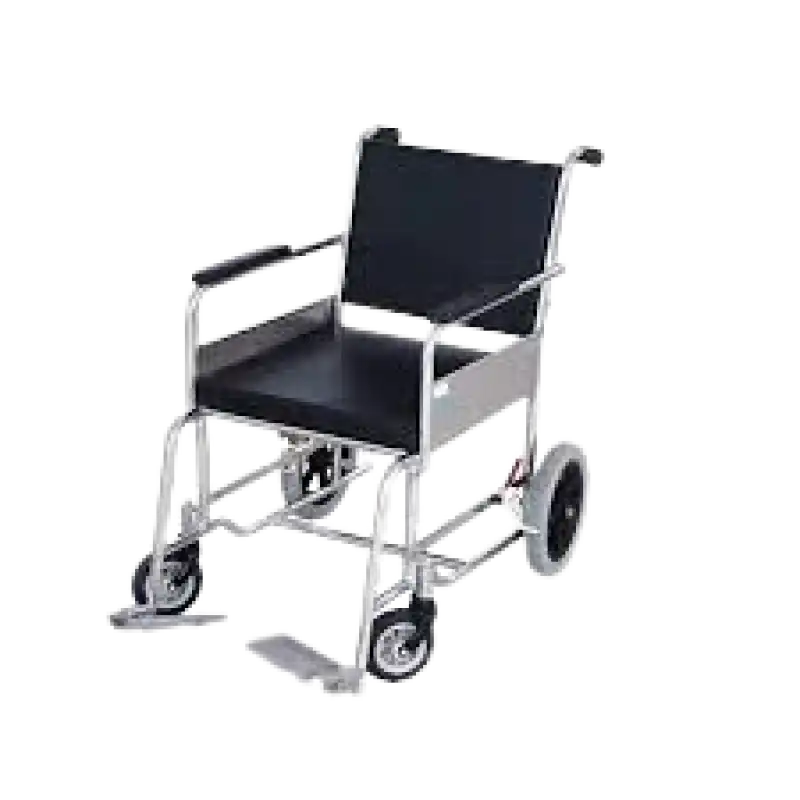
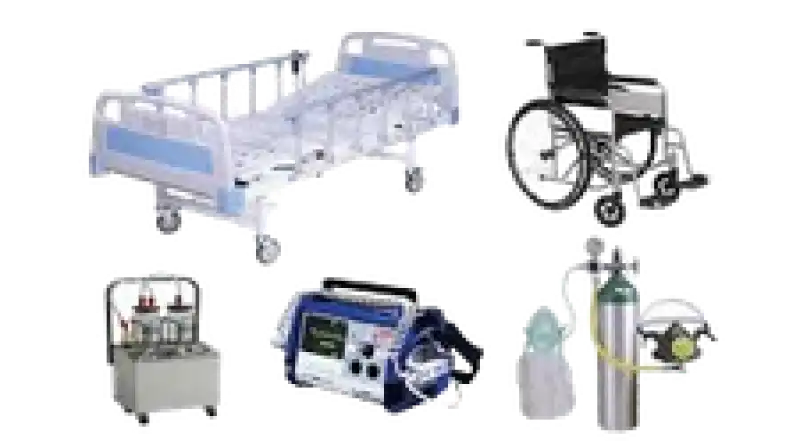
Trend: The shift toward home-based care is one of the key drivers of the medical equipment rental market. As more patients prefer or are required to recover at home, the need for home healthcare equipment such as oxygen concentrators, hospital beds, and mobility aids has grown.
- Impact: Healthcare providers will increasingly rely on rental services to provide patients with the medical equipment they need for home care. This shift not only reduces hospital congestion but also allows patients to receive care in a more comfortable and familiar environment.
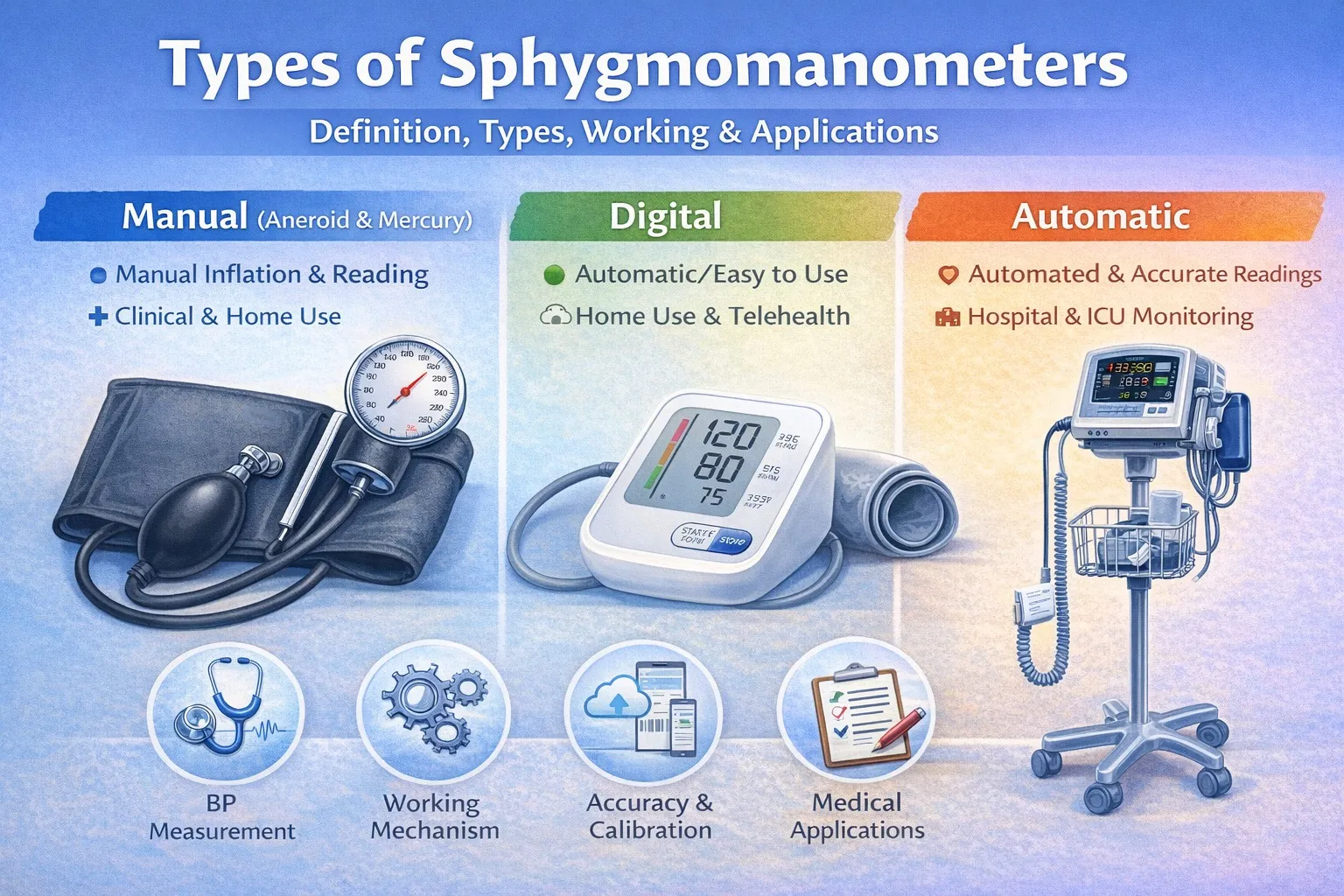
- Innovation: The growth of telemedicine and remote monitoring will further fuel the need for home healthcare equipment. As patients are monitored remotely by healthcare professionals, they will require specialized equipment like blood pressure monitors, glucose meters, and pulse oximeters, which can be rented for convenience and affordability.
2. Technological Advancements in Medical Equipment
The pace of innovation in medical equipment is accelerating, with new technologies offering enhanced functionality, accuracy, and patient comfort. However, these advanced devices can come with a high price tag.
Trend: As medical technology advances, more healthcare providers and patients will opt for rental options to access the latest equipment without committing to long-term ownership. High-tech devices such as robotic surgery systems, advanced diagnostic imaging machines, and wearable health devices will be increasingly available for rent.
- Impact: Renting state-of-the-art medical equipment will enable healthcare providers, particularly small clinics and rural hospitals, to offer the latest treatments and diagnostics, enhancing their ability to compete with larger, well-funded facilities.
- Innovation: New medical devices equipped with artificial intelligence (AI) and machine learning (ML) will require less manual intervention and provide more accurate data for patient treatment. Rental services that offer these high-tech devices will likely see a significant boost in demand as healthcare providers strive to stay at the forefront of innovation.
3. Cost-Effectiveness and Operational Efficiency
Healthcare systems worldwide are facing increasing financial pressures. Renting medical equipment allows healthcare organizations to keep costs under control while ensuring that they are providing the best possible care to patients.
Trend: The growing focus on cost containment and value-based care will drive healthcare providers to adopt rental models. By avoiding large capital expenditures on medical equipment, healthcare organizations can redirect resources toward improving patient care and operational efficiency.
- Impact: Renting allows providers to scale up equipment usage based on demand without over-investing in equipment that might only be used intermittently. This results in better utilization of resources, ensuring that devices are available when needed and reducing the risk of underutilization.
- Innovation: Software platforms that integrate with medical equipment rentals will help track usage patterns, maintenance schedules, and patient needs. These platforms will provide real-time data to optimize equipment allocation and ensure seamless operations, leading to greater efficiency and cost savings.
4. Integration of Rental Services with Health Insurance
As insurance companies continue to evolve, they are recognizing the value of integrating medical equipment rental services into their offerings.
Trend: Health insurers are increasingly including rental coverage in their plans, particularly for devices used in home healthcare. This includes equipment like wheelchairs, oxygen tanks, and CPAP machines.
- Impact: The inclusion of medical equipment rental in insurance policies will make it easier for patients to access necessary devices without worrying about out-of-pocket expenses. This trend will drive the growth of the medical equipment rental market by improving accessibility and affordability.
- Innovation: Integration between rental services and insurance providers will likely expand, allowing for streamlined billing and claims processing. This will simplify the rental process for patients, reduce administrative costs for healthcare providers, and improve the overall patient experience.
5. Environmental Sustainability and Circular Economy
As the healthcare industry becomes more aware of its environmental impact, sustainability is becoming a key priority.
Trend: The circular economy, which focuses on reusing and recycling materials to minimize waste, will gain traction in the medical equipment rental market. Renting equipment instead of purchasing it outright reduces the need for constant manufacturing and disposal of devices.
- Impact: By renting medical equipment, healthcare providers can contribute to reducing waste and environmental impact while still offering high-quality care. The rental model encourages the reuse of devices, which can be refurbished and maintained for longer use cycles, reducing the environmental footprint of healthcare delivery.
- Innovation: Companies are developing eco-friendly, durable medical devices that are specifically designed for rental models. These devices are built to last longer and can be easily serviced, refurbished, and reused multiple times. This aligns with the growing trend of sustainability in healthcare.
6. Growth of Specialized Rental Services
As the demand for medical equipment rentals grows, there will be a surge in specialized rental companies catering to different segments of the healthcare industry.
Trend: The future of medical equipment rental will see the rise of companies specializing in specific types of equipment or certain patient populations. For example, there will likely be more businesses focused on renting advanced surgical equipment, dialysis machines, or pediatric medical devices.
- Impact: Specialized rental services will allow healthcare providers to access equipment tailored to their needs, improving the quality of care. Hospitals, clinics, and homecare providers will benefit from having access to niche equipment, often supported by experts in those specific areas.
- Innovation: Rental companies may also offer training programs and support for healthcare providers to ensure they are using specialized equipment safely and effectively. This added service will be critical in helping businesses optimize equipment use and ensure patient safety.
7. The Rise of On-Demand Rental Platforms
The demand for on-demand services in healthcare is on the rise, particularly in the post-pandemic world. This trend is also impacting the medical equipment rental market.
Trend: On-demand rental platforms, similar to those in other industries, will grow in the healthcare sector. Healthcare providers and patients will be able to rent equipment as needed, with fast delivery and pick-up services.
- Impact: On-demand platforms provide healthcare businesses and patients with greater flexibility, allowing them to rent equipment quickly and easily. This model will benefit both providers and patients by reducing wait times and ensuring the timely delivery of necessary devices.
- Innovation: As the market for on-demand services grows, rental companies will invest in user-friendly platforms that allow healthcare professionals to easily browse and rent equipment, track their orders, and manage rental agreements from any device.
Conclusion
The future of medical equipment rentals is set to transform the healthcare industry by providing cost-effective, scalable, and innovative solutions. With advancements in technology, sustainability efforts, and the growing demand for home healthcare, rental services will continue to play an essential role in improving patient care, reducing costs, and increasing operational efficiency for healthcare providers.
As the market evolves, healthcare businesses will benefit from the ability to access the latest equipment without the financial burden of ownership. Medical equipment rental services will continue to innovate, offering enhanced features, specialized services, and integrated solutions that will shape the future of healthcare delivery.
In the coming years, we can expect to see further growth in the medical equipment rental sector, offering even more opportunities for businesses and patients to access high-quality, affordable healthcare solutions.