Introduction
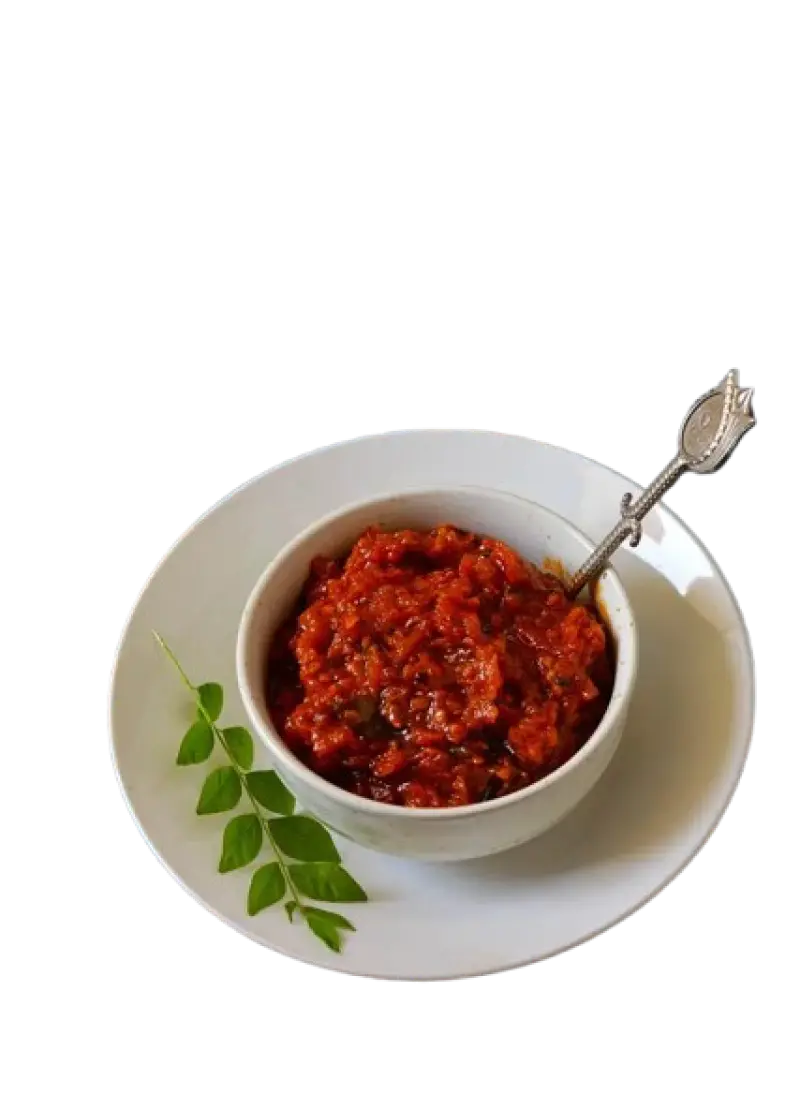
Pickles and tokku—those spicy, tangy, chutney-like accompaniments found in almost every Indian kitchen—are much more than side dishes. They are living traditions, passed down through generations, carrying family recipes, regional wisdom, and nostalgia in every bite. A single spoon of lemon pickle or mango tokku can transform a simple dal-chawal or roti-sabzi meal into something deeply satisfying.
Yet, as comforting and flavorful as they are, pickles and tokku sit on a delicate health balance. When consumed in the right quantity, they can stimulate appetite, support digestion, and even offer nutritional benefits. But when eaten in excess, they may contribute to problems like acidity, bloating, water retention, and high sodium intake. The real secret lies not in avoidance—but in mindful consumption.
How Pickles and Tokku Add Value to Your Meal
Pickles and tokku play a functional role in Indian meals beyond taste. Their sharp, intense flavors awaken the senses and prepare the digestive system for food.
One of their biggest benefits is appetite stimulation. The combination of salt, spice, and sourness increases saliva production and digestive enzyme activity, making meals easier to digest—especially helpful for people with low appetite, during illness, or in elderly care.
Naturally fermented pickles, such as lemon, amla, or bamboo shoot varieties, can support gut health. Traditional fermentation promotes the growth of beneficial bacteria that aid digestion and help maintain a healthy gut environment when consumed in small quantities.
Many pickles also retain the nutritional essence of their core ingredients. Mango pickle is a natural source of Vitamin C, lemon pickle supports immunity, and ginger or garlic tokku is known for its anti-inflammatory and antimicrobial properties. These ingredients have long been used in Indian households not just for flavor, but also for their functional health value.
Pickles and tokku also reflect seasonal and cultural wisdom. Mango pickles are prepared in summer when raw mangoes are abundant and cooling is needed, while turmeric, ginger, and garlic pickles are more common in winter to support immunity and warmth. This seasonal alignment is deeply rooted in traditional dietary practices.
When Pickles Become a Health Concern
Despite their benefits, pickles and tokku are typically prepared using generous amounts of salt, oil, and spices—ingredients that can become problematic if overconsumed.
High sodium content is one of the main concerns. Excess salt intake can lead to increased blood pressure, water retention, and long-term strain on the heart and kidneys. For individuals with hypertension or kidney-related conditions, daily excess consumption can worsen health outcomes.
Oil-heavy pickles, especially those preserved in mustard or sesame oil, may also contribute to excess calorie intake. Regular overconsumption can lead to weight gain and elevated cholesterol levels, particularly in sedentary lifestyles.
Additionally, strong spices and fermentation can trigger acidity, heartburn, bloating, and gastric discomfort in people with sensitive digestive systems. While some tolerate pickles well, others may experience discomfort even with small quantities.
How to Enjoy Pickles and Tokku the Healthy Way
The key to enjoying pickles and tokku lies in moderation and quality. Limiting intake to one small teaspoon per meal is usually sufficient to enjoy flavor without stressing digestion.
Choosing homemade or naturally fermented pickles is always better than store-bought versions loaded with preservatives, artificial colors, or excessive oil. Proper storage is equally important—using clean, dry spoons and airtight containers prevents spoilage and bacterial growth.
Pickles are best enjoyed as part of a balanced meal that includes fiber-rich vegetables, whole grains, and adequate protein. This balance reduces the impact of salt and spice on the digestive system.
People with conditions such as hypertension, gastritis, kidney disease, or severe acidity should consult a doctor before making pickles a regular part of their diet.
Conclusion
Pickles and tokku are treasures of Indian cuisine rich in flavor, culture, and digestive wisdom. When used thoughtfully, they enhance meals, stimulate digestion, and connect us to traditional food practices. But like all powerful foods, their benefits depend on balance.
A small spoon can uplift a meal; excess can quietly strain health. By choosing quality, limiting quantity, and pairing them with nutritious foods, pickles and tokku can remain the flavorful companions they were always meant to be.
At Aarogyaa Bharat, we believe that everyday food choices play a vital role in long-term health—because true wellness begins at home, one mindful habit at a time.