



Introduction
Hearing loss can affect people of all ages, from the elderly to young adults. Whether due to age, injury, or genetics, hearing issues can impact communication, relationships, and overall quality of life. Thankfully, modern hearing aids offer incredible solutions to restore and enhance hearing. But choosing the right hearing aid, learning how to use it, and maintaining it properly is essential for effective results.
In this guide by Aarogyaa Bharat, we’ll walk you through everything you need to know about hearing aids-from styles and usage tips to maintenance and adjustment guidance.
Understanding Hearing Aids
Hearing aids are small electronic devices worn in or behind the ear. They amplify sound to help individuals with hearing loss listen, communicate, and engage in daily activities with confidence.
Basic Components of a Hearing Aid:
- Microphone: Picks up sound
- Amplifier: Increases the volume of sound
- Speaker (Receiver): Sends amplified sound to the ear
- Battery: Powers the device
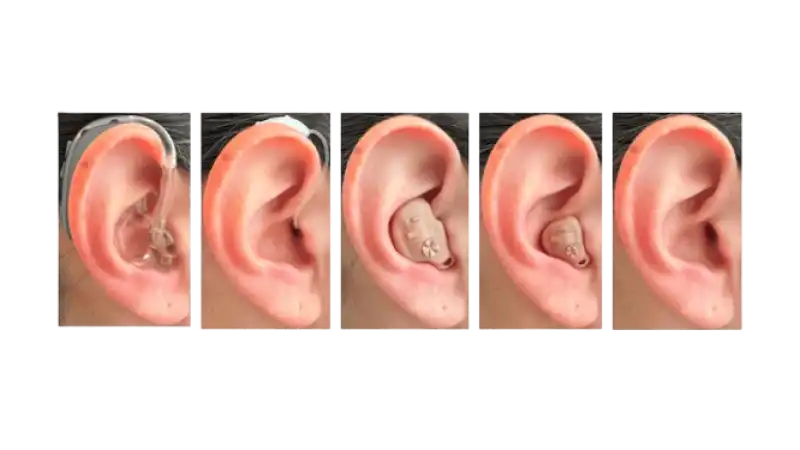
Types of Hearing Aids
Choosing the right hearing aid depends on the level of hearing loss, lifestyle, budget, and cosmetic preferences.
- Behind-the-Ear (BTE)
- Sits behind the ear with tubing connected to an earmold
- Ideal for moderate to severe hearing loss
- Durable and easy to handle
- In-the-Ear (ITE)
- Custom-fit in the outer ear
- Easier to use for people with dexterity issues
- Suitable for mild to severe hearing loss
- In-the-Canal (ITC) and Completely-in-Canal (CIC)
- Discreet, almost invisible
- Best for mild to moderate hearing loss
- Smaller batteries, shorter battery life
- Receiver-in-Canal (RIC)
- Similar to BTE but smaller
- Offers natural sound quality
- Popular for all ages
- New nested item
How to Use a Hearing Aid – Step-by-Step
- Insert Properly: Follow the shape of the hearing aid. BTE types hook over the ear, while CIC types fit snugly in the ear canal.
- New nested item
- Turn On & Adjust Volume: Start with low volume and adjust as needed.
- Test the Fit: Make sure the device doesn’t cause pain or discomfort.
- Practice in Quiet Areas: Start using it in quiet environments before progressing to louder ones.
Caring for Your Hearing Aid
Proper care can prolong the life of your hearing aid and maintain its effectiveness.
- Daily Cleaning: Wipe the device with a soft, dry cloth
- Avoid Moisture: Remove before bathing or swimming
- Change Batteries Regularly: Or recharge if using a rechargeable device
- Store Safely: Use a dry container or dehumidifier box when not in use
- Professional Check-ups: Have your device serviced regularly for optimal performance
Adjusting to a Hearing Aid
Adapting to a hearing aid takes time, especially for first-time users.
Tips to Help You Adjust:
- Be Patient: It may take weeks to get fully comfortable.
- Wear Daily: The more you wear it, the faster you adapt.
- Start Slow: Begin with a few hours each day.
- Expect Background Noise: Your brain needs time to relearn how to filter sounds.
- Communicate Challenges: Tell your audiologist about issues or discomforts.
Who Can Use Hearing Aids?
Elders:
- Often need devices with simpler controls and larger sizes
- Require regular ear checkups for fit adjustments
Young Adults & Teens:
- Prefer sleek or invisible designs (CIC, RIC)
- May need Bluetooth compatibility for tech integration
Children:
- BTEs are most common due to durability and flexibility
- Require regular adjustments as they grow
Conclusion
Whether you're a senior citizen, a busy professional, or a teenager navigating classrooms and social life, hearing loss doesn’t have to slow you down. Modern hearing aids offer incredible support, comfort, and customization. With the right guidance, care, and patience, you can significantly enhance your quality of life.
At Aarogyaa Bharat, we offer a range of hearing aids, batteries, and care accessories suitable for all age groups and needs. Visit us at www.aarogyaabharat.com and find the best hearing support solutions today!





