Introduction
Have you ever stopped to think about how often you rely on a weighing scale in daily life? From measuring cooking ingredients to tracking body weight, from laboratories testing tiny samples to industries weighing tons of material—accurate weight measurement quietly supports modern living. Weighing scales may look simple, but behind every reading is a combination of engineering, precision, and technology that has evolved over centuries. Today’s weighing scales are smarter, more accurate, and more versatile than ever, making them an essential tool across homes, healthcare, research, and industry.
What Is a Weighing Scale and Why It Matters
A weighing scale is a device used to measure the weight or mass of an object. While the concept sounds basic, accurate weight measurement plays a critical role in safety, quality control, health monitoring, and scientific research. Incorrect measurements can lead to failed recipes, inaccurate medical dosages, inventory errors, or flawed experiments. That’s why choosing the right type of weighing scale and using it correctly is far more important than most people realize.
A Brief Evolution of Weighing Scales
Weighing scales have been around since ancient civilizations, where balance scales were used to trade goods like grains and metals. Over time, mechanical spring-based scales replaced simple balances, making measurements quicker and easier. The real transformation came with digital technology. Electronic sensors and load cells introduced a new level of precision, allowing scales to measure even minute weight changes. Today, advanced weighing scales integrate software, sensors, and connectivity to deliver highly accurate and reliable data.
Different Types of Weighing Scales and Their Uses
Mechanical weighing scales rely on springs and levers to measure weight. They are sturdy, require no electricity, and are still commonly used in basic applications. However, their accuracy can drift over time due to wear and tear.
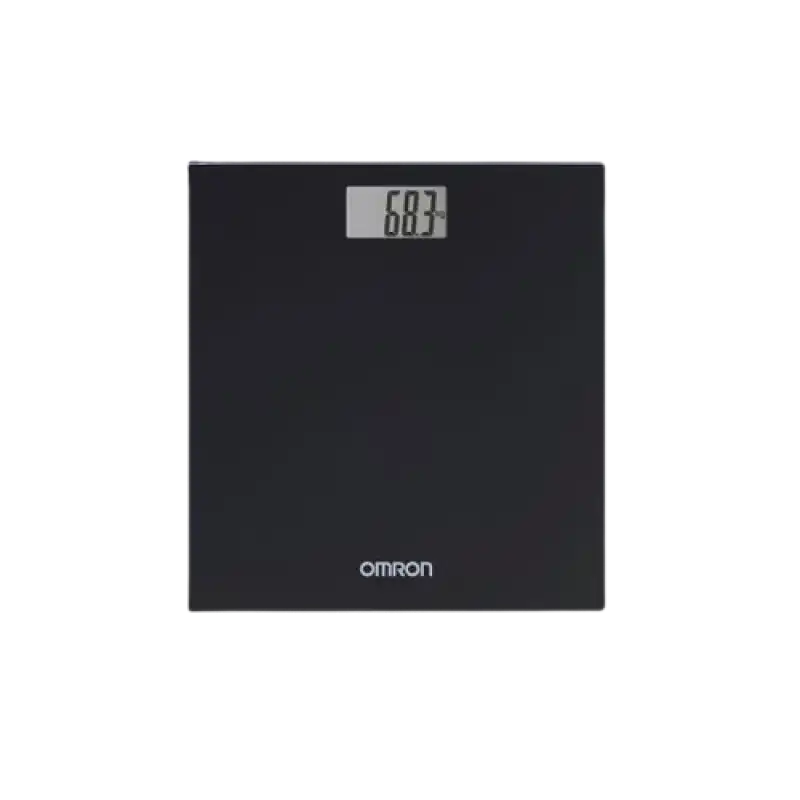
Digital weighing scales use electronic load cells that convert pressure into electrical signals. These signals are processed and displayed as precise weight values on a digital screen. Digital scales are widely used in homes, clinics, kitchens, gyms, and offices because they offer better accuracy and ease of use.
Analytical and precision scales are designed for environments where even a tiny variation matters. These are commonly used in laboratories, pharmacies, jewelry shops, and research institutions. They can measure extremely small quantities with high consistency and are usually placed in controlled environments to avoid external disturbances.
Industrial weighing scales are built for heavy-duty applications. These include platform scales, pallet scales, and weighbridges used in factories, warehouses, logistics, and transport sectors. Their focus is on durability, high weight capacity, and consistent performance under continuous use.
Key Components That Make a Weighing Scale Work
At the core of most modern weighing scales is the load cell. This component senses force and converts it into an electrical signal. The accuracy of a scale largely depends on the quality and sensitivity of its load cell.
The platform is the surface where the object is placed. Its design and material ensure even weight distribution, which is essential for accurate readings. Platforms vary in size and strength depending on the scale’s purpose.
The display unit presents the measured weight in readable form. Modern displays often include backlighting, unit conversion, memory storage, and sometimes smart connectivity.
What Affects the Accuracy of a Weighing Scale
Calibration is one of the most critical factors. Over time, regular use, movement, or environmental changes can cause a scale to lose accuracy. Calibration realigns the scale with known weight standards, ensuring reliable readings.
Environmental conditions also matter. Temperature fluctuations, humidity, vibrations, and uneven surfaces can all affect measurement accuracy. This is especially important for precision and analytical scales, which require stable conditions to perform correctly.
User habits play a role as well. Placing weight unevenly, exceeding capacity limits, or using the scale on soft or slanted surfaces can lead to incorrect readings.
Everyday Applications of Weighing Scales
In the kitchen, weighing scales help ensure recipe consistency and portion control. Accurate ingredient measurement improves taste, nutrition, and cooking efficiency.
In healthcare, weighing scales are vital for tracking patient health, calculating medication dosages, and monitoring recovery. Even small weight changes can signal important health developments.
In industries and logistics, weighing scales ensure quality control, fair trade, accurate billing, and inventory management. Without reliable weight measurement, large-scale operations would struggle to function efficiently.
In research and education, precision scales support experiments, analysis, and innovation. Accurate data collection forms the foundation of credible scientific work.
How to Choose the Right Weighing Scale
The first consideration is capacity—how much weight the scale needs to handle safely and accurately. A kitchen scale and an industrial platform scale serve very different purposes.
Precision is equally important. Some applications only require approximate values, while others demand measurements accurate to fractions of a gram.
Additional features like unit conversion, digital displays, memory storage, smart connectivity, or portability can enhance usability depending on your needs.
Care and Maintenance for Long-Term Accuracy
Proper care extends the life and reliability of a weighing scale. Keeping it clean, avoiding overload, using it on stable surfaces, and storing it properly all help maintain accuracy. Periodic calibration, especially for professional use, ensures consistent performance over time.
The Future of Weighing Scales
Weighing technology continues to advance. Smart weighing scales now integrate with mobile apps, fitness trackers, and health monitoring systems. Industrial scales are becoming more automated and connected to data management platforms. As technology evolves, weighing scales are becoming not just measuring tools, but intelligent data devices.
Conclusion
Weighing scales are far more than simple measuring devices—they are silent contributors to accuracy, safety, and efficiency across countless aspects of life. From everyday household use to critical medical and industrial applications, their role is indispensable. Choosing the right scale, understanding how it works, and maintaining it properly ensures you get reliable results every time.
For dependable, accurate, and high-quality weighing scales suited for home, healthcare, and professional use, Aarogyaa Bharat offers trusted solutions designed to meet modern measurement needs with confidence and precision.