Introduction: What’s the Deal with Those Colourful Therapy Balls?
Walk into any rehabilitation clinic, occupational therapy center, sensory classroom, or even a modern wellness studio, and you are likely to notice a small, colourful, squishy ball being gently squeezed, rolled, or bounced between hands. At first glance, it might look like a child’s toy or a casual stress ball, but in reality, it is one of the most powerful and versatile therapy tools used in both medical and wellness environments today. This is a therapy ball a simple yet remarkably effective aid for physical recovery, mental relaxation, and sensory regulation.
Despite their modest size and low-tech appearance, therapy balls deliver surprisingly deep benefits. They are used by physiotherapists to rebuild muscle strength after injuries, by occupational therapists to restore fine motor control, by psychologists to reduce anxiety, and by special educators to support sensory development in children with autism. Even for people with no medical condition at all, therapy balls serve as a highly effective way to relieve stress, improve grip strength, and counteract the strain caused by long hours on laptops and mobile devices.
In a world dominated by expensive gadgets and complex fitness equipment, therapy balls stand out as a reminder that healing does not always have to be complicated. Sometimes, a small, soft, squeezable ball can make a life-changing difference.
What Is a Therapy Ball?
A therapy ball is a soft, compressible tool typically made from rubber, silicone, polyurethane foam, or gel-filled material. It is designed specifically for therapeutic purposes such as muscle strengthening, joint mobility, coordination training, stress reduction, and sensory stimulation. Therapy balls come in various shapes, sizes, textures, and resistance levels, making them adaptable to users of all ages and physical conditions.
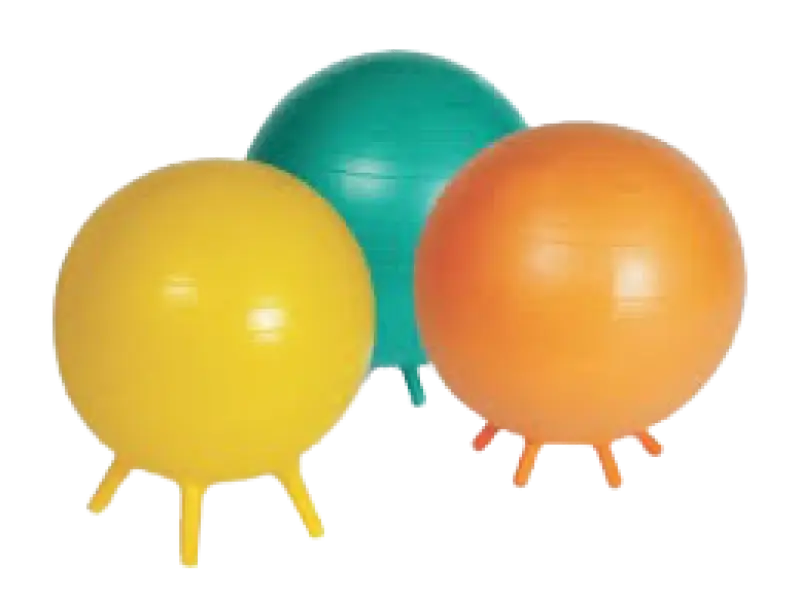
Some therapy balls are small enough to fit in the palm of your hand, while others are large enough to sit on for balance training and posture correction. Certain models are smooth and soft, while others are textured or spiky to provide deeper tactile stimulation. Resistance levels can range from ultra-soft for post-surgery recovery to firm for advanced strength training.
These balls are commonly used in:
-
Physiotherapy clinics for injury recovery and muscle rehabilitation
-
Occupational therapy centers for fine motor skill development
-
Autism and sensory integration programs for calming and regulation
-
Hand and wrist rehabilitation after fractures or nerve damage
-
Stress relief routines at home or in office environments
-
Elderly care facilities for joint mobility and circulation
What makes therapy balls truly special is their versatility. A single ball can be used for strength training, massage, balance work, and emotional regulation often within the same therapy session.
Why Do Therapy Balls Matter?
In modern healthcare, there is a growing emphasis on tools that are not only effective but also affordable, accessible, and easy to use. Therapy balls perfectly fit this philosophy. They require no electricity, no technical knowledge, and no complex setup, yet they provide measurable physical and psychological benefits across a wide range of users.
Therapy balls matter because they:
-
Improve grip strength by engaging the small muscles of the hands and fingers
-
Boost muscle coordination through controlled squeezing and movement patterns
-
Enhance sensory awareness by stimulating tactile and proprioceptive nerves
-
Manage stress and anxiety by activating calming neurological responses
-
Support post-injury recovery by promoting gentle, progressive resistance
Unlike bulky gym equipment, therapy balls can be carried in a bag, kept on a desk, or used discreetly in a classroom or therapy session. This portability ensures consistency, which is one of the most critical factors in rehabilitation success.
From small hand therapy balls to large occupational therapy balls, each type is engineered for a specific function, making them an indispensable part of both clinical and home-based wellness routines.
Therapy Ball Exercises: Easy, Effective, and Anyone Can Do Them
One of the greatest advantages of therapy balls is that they do not require athletic ability or professional training to use. Almost anyone regardless of age or fitness level can perform therapy ball exercises safely and effectively. These exercises are often prescribed by therapists but are equally valuable as part of a daily self-care routine.
1. Squeeze and Hold (For Hand Strength)
This is the most basic and widely used therapy ball exercise. Simply take a hand therapy ball and squeeze it firmly in your palm, holding the contraction for five seconds before releasing slowly. Repeat this movement ten to fifteen times in each hand.
This exercise is particularly beneficial for individuals suffering from arthritis, carpal tunnel syndrome, post-stroke weakness, or general grip fatigue. Over time, it strengthens the intrinsic muscles of the hand and improves blood circulation.
2. Finger Presses (For Fine Motor Control)
Place the therapy ball on a table and press each finger into it one at a time, applying gentle pressure. This builds individual finger strength, enhances coordination, and improves dexterity.
This exercise is commonly used in occupational therapy for children, musicians, typists, and patients recovering from nerve injuries or hand surgeries.
3. Seated Core Balance (For Large Therapy Balls)
Sit on a large occupational therapy ball with your feet flat on the ground and your back straight. Slowly shift your weight from side to side while keeping your core muscles engaged.
This exercise strengthens abdominal muscles, improves posture, and enhances balance. It is especially useful for people recovering from back injuries or those who spend long hours sitting at desks.
4. Wall Rolls (For Upper Body Relaxation)
Place a therapy ball between your back and a wall, then gently roll up and down. This creates a self-massage effect that releases muscle tension in the shoulders, spine, and lower back.
This is an excellent stress-relief exercise for office workers, athletes, and anyone experiencing stiffness from poor posture.
These therapy ball exercises are not limited to medical rehabilitation. They are equally effective for everyday wellness, making them ideal for people dealing with repetitive strain injuries, digital fatigue, and work-related stress.
Therapy Balls for Autism: More Than Just a Toy
For individuals on the autism spectrum, therapy balls play a far more significant role than most people realize. These balls are powerful sensory tools that help regulate emotions, improve focus, and provide calming tactile input.
Children with autism often experience sensory processing challenges, where everyday sounds, textures, and movements can feel overwhelming. Therapy balls provide a controlled form of sensory stimulation that helps them feel grounded and secure.
The benefits include:
-
Tactile stimulation that improves body awareness
-
Emotional regulation through repetitive squeezing motions
-
Anxiety relief by activating calming neurological pathways
-
Improved concentration in classrooms and therapy sessions
-
Self-soothing behavior that replaces harmful stimming habits
Occupational therapists frequently integrate therapy balls into sensory integration programs for children with autism, ADHD, and sensory processing disorders. These tools help children develop emotional control, motor coordination, and social confidence over time.
Occupational Therapy Balls: A Must-Have for Rehab Centers
In professional rehabilitation settings, occupational therapy balls are considered essential equipment. They are used to retrain the brain-body connection after neurological injuries, surgeries, and chronic illnesses.
Therapists rely on these balls to:
-
Rebuild hand-eye coordination
-
Restore joint mobility in the arms and legs
-
Improve sitting balance and postural control
-
Enhance muscle tone in stroke survivors
-
Train controlled movements for daily living tasks
Patients recovering from conditions such as strokes, spinal cord injuries, Parkinson’s disease, and orthopedic surgeries often start with low-resistance therapy balls. As strength and control improve, they progress to firmer balls for advanced rehabilitation.
Because therapy balls are adaptable, they allow therapists to personalize treatment programs based on each patient’s ability level and recovery goals.
Which Therapy Ball Should You Choose?
Choosing the right therapy ball depends on your specific needs, physical condition, and intended usage. Here is a simple breakdown to guide your decision:
Hand Therapy Ball
Best for grip strength, arthritis relief, hand injuries, and stress reduction
Sensory Ball (Spiky or Textured)
Best for autism support, ADHD management, tactile stimulation, and sensory play
Large Therapy Ball
Best for core workouts, posture correction, balance training, and full-body rehabilitation
Gel-Filled Therapy Ball
Best for adjustable resistance, comfort, and progressive strength training
You can find a wide selection of therapy balls at rehabilitation stores and trusted online platforms like aarogyaabharat.com, where products are curated specifically for medical and wellness needs. Choosing the right model ensures maximum benefit and long-term durability.
Conclusion: One Ball, Many Benefits
A therapy ball may look like a simple object, but its impact on healing, mental well-being, and physical strength is nothing short of remarkable. From rebuilding grip strength after an injury to calming anxious minds in sensory classrooms, therapy balls serve as powerful companions in the journey toward recovery and wellness.
Whether you are performing therapy ball exercises at home, supporting a child with autism, rehabilitating after surgery, or simply relieving stress after a long workday, this small investment delivers long-term returns. It represents a rare combination of affordability, versatility, and therapeutic value.
In a world that often overcomplicates healthcare, therapy balls remind us that true healing sometimes begins with the simplest tools. One ball. Many benefits. A lifetime of healthier hands, calmer minds, and stronger bodies.