Cataract and Glaucoma: Causes, Symptoms & Prevention You Should Know
Your eyes are your windows to the world, yet they’re also incredibly vulnerable. Two of the most common and serious eye conditions that impact millions worldwide—cataract and glaucoma—can slowly damage your vision, often without warning. Left untreated, both can lead to blindness.
But here's the good news: early detection and healthy lifestyle choices can help you prevent or delay both conditions.
In this blog, let’s break down what causes cataract and glaucoma, how they’re different, and what you can do to protect your eyes—at any age.
What is a Cataract?
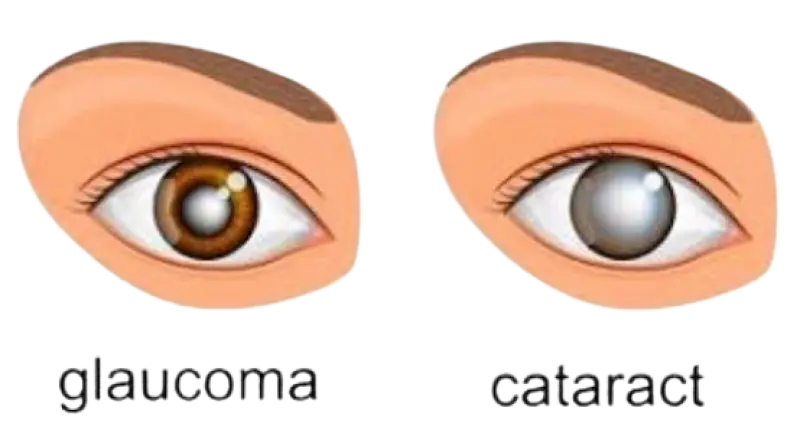
A cataract is the clouding of the lens inside your eye, making vision blurry, dull, or hazy. It usually develops slowly and is most common in older adults.
Causes of Cataract:
Aging – the #1 cause, as proteins in the eye lens break down over time
UV radiation from excessive sunlight exposure
Diabetes or high blood sugar levels
Smoking and alcohol consumption
Injury or trauma to the eye
Long-term use of steroids
Family history of cataract
Symptoms:
Cloudy or blurred vision
Glare or halos around lights
Poor night vision
Colors appear faded
Double vision in one eye
Frequent prescription changes
What is Glaucoma?
Glaucoma is a group of eye diseases that damage the optic nerve, usually due to increased pressure in the eye (intraocular pressure). It can lead to irreversible blindness if not treated early.
Causes of Glaucoma:
Genetics – runs in families
Age – risk increases after age 40
Increased eye pressure (IOP)
Eye injury or surgery
Use of corticosteroid medications
Medical conditions like diabetes or hypertension
Thin cornea or poor blood flow to the optic nerve
Symptoms:
In most cases, glaucoma has no early symptoms—which is why it’s often called the “silent thief of sight.” As it progresses:
Loss of peripheral (side) vision
Tunnel vision in advanced stages
Eye pain, redness (in acute cases)
Halos around lights
Nausea and vomiting (in severe acute angle-closure glaucoma)
Cataract vs. Glaucoma: What’s the Difference?
| Feature | Cataract | Glaucoma |
|---|---|---|
| Cause | Clouding of the eye’s lens | Damage to the optic nerve, usually due to pressure |
| Vision Loss | Gradual, blurred vision | Peripheral vision loss, often unnoticed at first |
| Reversibility | Can be corrected with surgery | Irreversible; damage cannot be undone |
| Symptoms | Cloudy vision, faded colors | Often no early symptoms |
| Treatment | Lens replacement surgery | Eye drops, laser therapy, or surgery to reduce pressure |
How to Prevent Cataract and Glaucoma
While you may not be able to avoid these conditions entirely, there are smart, proactive steps you can take to minimize your risk:
1. Get Regular Eye Checkups
Eye exams can detect early signs of both cataracts and glaucoma.
Especially important if you're over 40 or have a family history.
2. Protect Your Eyes from UV Light
Wear sunglasses with UV protection when outdoors.
Use a wide-brimmed hat for added shade.
3. Manage Blood Sugar and Blood Pressure
Uncontrolled diabetes and hypertension are linked to both conditions.
4. Quit Smoking and Limit Alcohol
Smoking speeds up cataract formation and increases glaucoma risk.
5. Eat an Eye-Healthy Diet
Include foods rich in vitamin C, E, zinc, lutein, and omega-3s (e.g., leafy greens, eggs, carrots, fish).
6. Stay Active
Regular physical activity improves blood flow to the eyes and helps maintain healthy intraocular pressure.
7. Use Eye Drops if Prescribed
If you're diagnosed with early glaucoma, use medicated eye drops regularly to prevent progression.
FAQs About Cataract & Glaucoma
1. Can cataract and glaucoma occur together?
Yes, it’s possible to have both. In fact, cataract surgery may sometimes help improve intraocular pressure in glaucoma patients.2. At what age should I start glaucoma screening?
Experts recommend screening after age 40, especially if you have a family history or diabetes.3. Is cataract surgery painful or risky?
Modern cataract surgery is quick, painless, and highly successful. Most people experience significantly improved vision afterward.4. Are there natural ways to prevent cataracts or glaucoma?
While there's no guaranteed natural cure, antioxidants in your diet, UV protection, and lifestyle changes can delay progression.5. How often should I visit the eye doctor?
Every 1–2 years after age 40, or more frequently if you have risk factors like diabetes or a family history of eye disease.Final Word
Cataract and glaucoma might be common eye conditions, but they don’t have to take your vision away. Early detection, regular eye care, and a healthy lifestyle are your strongest defense.
Whether you're young and staring at screens all day or older and starting to notice visual changes—prioritize your eye health today. Your future self will thank you.