Why is a Walker Important After Hip Surgery for Elderly
Patients?
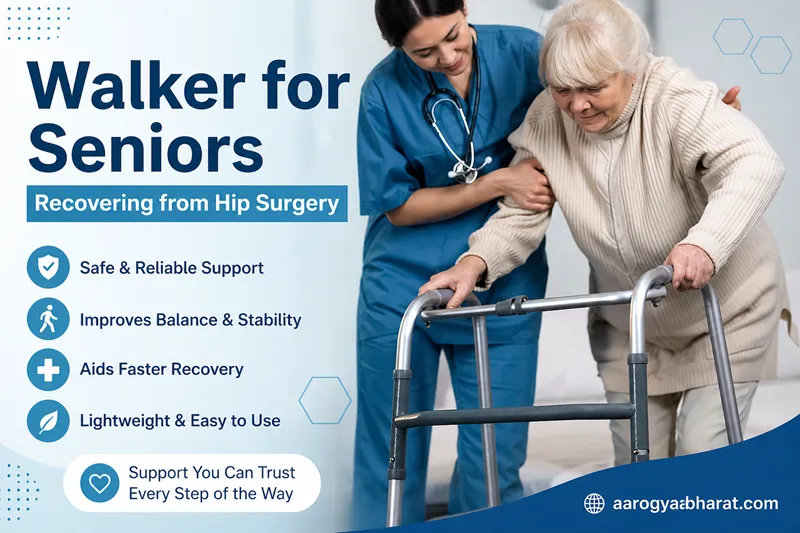
After hip surgery, elderly patients require proper support
to regain mobility safely and avoid complications during the recovery phase. A
walker plays a crucial role in providing stability and balance, helping
patients move without putting excessive pressure on the operated hip. During
the initial recovery period, even simple movements like standing up, walking a
few steps, or moving between rooms can be challenging and risky without proper
assistance. A walker reduces the chances of falls, which can lead to severe
complications or delay the healing process. It also helps patients maintain
independence, allowing them to perform daily activities without constant
caregiver support. In home healthcare settings, walkers are often recommended
by doctors and physiotherapists as part of post-surgery rehabilitation. They
ensure that patients can move with confidence while gradually improving their
strength and balance. With the increasing focus on home-based recovery
solutions, walkers have become an essential category in rehabilitation
equipment and elderly care products.
Key Features of Walkers Suitable for Post-Surgery
Recovery
Walkers designed for post-hip surgery recovery come with
specific features that ensure maximum safety and comfort for elderly users. One
of the most important features is a strong and lightweight frame, usually made
from aluminium, which provides stability while being easy to handle. Adjustable
height settings are essential to maintain proper posture and prevent strain on
the back and shoulders. Many walkers include non-slip rubber tips or front
wheels, which help in smooth movement while maintaining control. Comfortable
hand grips are designed to reduce pressure on the palms and provide better
support during use. Some advanced models also offer foldable designs, making
them easy to store and transport, especially in compact homes. Additionally,
walkers may come with optional accessories like pouches or trays to carry
essential items such as medicines or water bottles. With the availability of
various categories like orthopaedic support, physiotherapy equipment, and
mobility aids, users can easily find a walker that suits their specific
recovery needs.
Benefits of Using a Walker After Hip Replacement or
Surgery
Using a walker after hip surgery offers multiple benefits
that significantly improve the recovery process for elderly patients. One of
the primary advantages is enhanced safety, as the walker provides a stable base
of support and minimizes the risk of falls. This is especially important during
the early stages of recovery when the hip joint is still healing. Walkers also
help in reducing strain on the operated area by distributing body weight
evenly, allowing patients to move without causing additional stress to the hip.
Another key benefit is improved mobility, enabling patients to perform daily
activities such as walking to the bathroom, kitchen, or living room without
assistance. Regular use of a walker encourages physical activity, which is
essential for faster healing and preventing stiffness in the joints. It also
boosts confidence and mental well-being, as patients feel more independent and
less reliant on caregivers. In combination with other home healthcare products
like hospital beds, patient monitoring devices, and healthcare calculators for
tracking recovery progress, walkers play a vital role in ensuring a smooth and
effective rehabilitation journey.
How to Choose the Right Walker After Hip Surgery
Selecting the right walker for post-surgery recovery
involves considering several important factors to ensure safety and comfort.
The first aspect to evaluate is the weight capacity and frame strength, as the
walker must provide reliable support for the user. Adjustable height is crucial
to maintain proper posture and avoid unnecessary strain on the back and
shoulders. The type of walker is also important, as some models come with
wheels for easier movement, while others require lifting for better control. For
post-hip surgery patients, walkers with front wheels or gliders are often
recommended as they reduce the effort required during movement. The grip design
should be ergonomic and non-slip to ensure better control and comfort.
Foldability is another important factor, especially for users who need to store
the walker in limited space or transport it easily. With a wide range of
options available under categories like rehabilitation equipment, mobility
aids, and elderly care solutions, users can compare different models and choose
the one that best fits their recovery needs. Consulting healthcare
professionals can also help in making the right decision.
Comparison Table: Walker vs Rollator for Post-Surgery Use
|
Feature |
Walker |
Rollator
Walker |
|
Stability |
Very high |
Moderate |
|
Wheels |
None or 2
front wheels |
3 or 4 wheels |
|
Brakes |
No |
Yes |
|
Seat |
Not available |
Available |
|
Best Use |
Post-surgery
recovery |
Long-term
mobility |
|
Movement
Style |
Controlled,
step-by-step |
Continuous
rolling |
Role of Walkers in Rehabilitation and Home Healthcare
Walkers play a significant role in both rehabilitation and
home healthcare, especially for elderly patients recovering from hip surgery.
In physiotherapy sessions, walkers are often introduced as the primary mobility
aid to help patients regain balance and strength gradually. They allow
controlled movement, which is essential for preventing strain on the healing
hip joint. In home care settings, walkers provide a safe way for patients to
stay active and avoid prolonged bed rest, which can lead to muscle weakness and
other health complications. With the growing availability of healthcare
services across city-based platforms and hospital support systems, walkers have
become easily accessible to users in different locations. They are often used
alongside other healthcare equipment such as orthopaedic supports, exercise
therapy tools, and monitoring devices. This integrated approach ensures
comprehensive patient care, focusing on both recovery and safety. Walkers are
not just mobility aids but an essential part of a structured rehabilitation
plan.
Why Walkers are Ideal After Hip Surgery
- Provides
maximum stability and support
- Reduces
risk of falls during recovery
- Helps
in safe and controlled movement
- Minimizes
pressure on the operated hip
- Encourages
faster rehabilitation
- Easy
to use with minimal effort
- Lightweight
and durable design
- Suitable
for home-based recovery
Conclusion
A walker is an indispensable mobility aid for elderly patients recovering from hip surgery. It ensures safety, stability, and confidence during the most critical phase of recovery. With its simple yet effective design, a walker allows patients to regain independence while minimizing the risk of complications. Whether used for short-term rehabilitation or extended recovery, it plays a vital role in improving mobility and overall well-being. As healthcare continues to shift towards home-based solutions, investing in the right walker can make a significant difference in the recovery journey. By understanding its features, benefits, and selection criteria, families can provide better care and support to their loved ones.