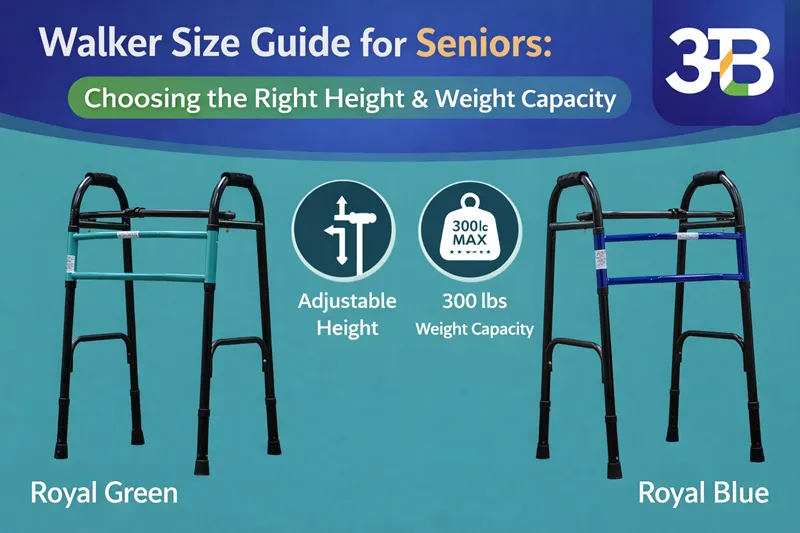
Why Choosing the Correct Walker Size Matters
Mobility aids such as walkers are designed to provide
balance support and reduce the risk of falls for elderly individuals. However,
the effectiveness of a walker depends heavily on selecting the correct size
according to the user’s height and body weight. When walkers are not properly
sized, seniors may experience poor posture, wrist strain, or instability during
walking. Walkers that are too short cause users to bend forward, which can lead
to back pain and poor balance. Walkers that are too tall force the arms into
uncomfortable positions, reducing control over the device. Doctors and
physiotherapists listed on Aarogyaa Bharat hospital pages emphasize that
proper walker sizing is one of the most important factors in preventing
mobility-related injuries among elderly individuals. A correctly fitted walker
allows seniors to maintain an upright posture while distributing body weight
safely across the device.
Understanding Walker Height Requirements
Walker height is critical because it determines how
comfortably a senior can hold the walker while walking. Ideally, the handles of
the walker should align with the user’s wrist level when the arms are relaxed
at the sides. This position allows the elbows to bend slightly while holding
the walker, which improves stability and control during movement. If the walker
height is incorrect, it can cause strain on the shoulders, wrists, and back.
Physiotherapists listed on Aarogyaa Bharat hospital pages often adjust
walker heights during rehabilitation sessions to ensure proper posture and
balance. Adjustable walkers are commonly recommended because they allow
customization based on the user’s height. This flexibility ensures that seniors
can walk comfortably while maintaining proper body alignment.
Importance of Weight Capacity in Walker Selection
Weight capacity is another important factor to consider when
selecting a walker for elderly individuals. Walkers are designed with specific
weight limits to ensure structural stability during use. Using a walker that
cannot support the user’s body weight may lead to instability or equipment
failure. Many walkers designed for elderly users have weight capacities ranging
from 100 kg to over 150 kg depending on the model and frame strength. Orthopaedic
specialists listed on Aarogyaa Bharat city pages frequently advise
selecting walkers with reinforced frames for individuals with higher body
weight. Heavy-duty walkers are often designed with stronger aluminium or steel
frames that provide additional stability. Choosing the correct weight capacity
ensures that the walker remains durable and safe during daily use.
Standard Walker Height Recommendations
|
User
Height |
Recommended
Walker Height |
|
4 ft 10 in -
5 ft 2 in |
28 - 32
inches |
|
5 ft 3 in - 5
ft 7 in |
31 - 35
inches |
|
5 ft 8 in - 6
ft 0 in |
34 - 38
inches |
|
Above 6 ft |
36 - 40
inches |
These general guidelines help caregivers select walkers that
align with the user’s height. However, adjustable walkers remain the best
option because they allow precise height adjustments.
Walker Weight Capacity Guide
|
Typical
Weight Capacity |
|
|
Standard
Walker |
100 - 120 kg |
|
Walker with
Wheels |
110 - 130 kg |
|
Foldable
Walker |
100 - 120 kg |
|
Heavy-Duty
Walker |
130 - 180 kg |
|
Rollator
Walker |
120 - 150 kg |
Selecting the correct weight capacity ensures that the
walker provides reliable support during walking and standing.
How Incorrect Walker Size Affects Mobility
Using a walker that does not match the user’s height or
weight capacity can cause several problems that affect mobility and safety. If
the walker is too low, seniors may bend forward while walking, which shifts
body weight incorrectly and increases the risk of falls. If the walker is too
high, seniors may struggle to maintain proper grip and control during movement.
Walkers that cannot support the user’s weight may feel unstable and unsafe.
Doctors listed on Aarogyaa Bharat hospital pages often encounter cases
where improper walker sizing leads to discomfort, fatigue, or reduced walking
confidence. Correct sizing ensures that seniors can walk comfortably while
maintaining proper posture and stability.
Benefits of Choosing the Correct Walker Size
• Improves walking posture and body alignment
• Reduces strain on wrists, shoulders, and back
• Enhances balance and walking stability
• Prevents falls caused by improper walker control
• Increases comfort during long walking sessions
• Supports physiotherapy rehabilitation exercises
• Ensures safe and durable mobility support
These benefits highlight why selecting the correct walker
size is essential for elderly mobility safety.
Role of Walkers in Physiotherapy Rehabilitation
Physiotherapy programs frequently involve structured walking
exercises designed to rebuild strength and improve coordination after injuries
or surgeries. Walkers provide the stability needed for patients to perform
these exercises safely. Physiotherapists listed on Aarogyaa Bharat hospital
pages often adjust walker height and positioning during rehabilitation
sessions to ensure correct posture during walking. These adjustments help
patients regain walking confidence while preventing strain on the joints and
muscles. Walkers are commonly used in rehabilitation programs for patients
recovering from fractures, joint replacement surgeries, or neurological
conditions. Properly sized walkers allow patients to practice walking exercises
safely and gradually improve mobility.
Using Healthcare Calculators to Track Recovery Progress
Monitoring recovery progress helps families understand how
mobility improves after medical treatments or surgeries. Aarogyaa Bharat
healthcare calculators help estimate recovery timelines, physiotherapy
costs, and expected mobility milestones. These calculators provide insights
into walking endurance improvements and rehabilitation progress over time. For
example, knee replacement recovery calculators estimate how long patients may
require walker support before transitioning to independent walking. By combining
properly sized walkers with physiotherapy guidance and healthcare calculators,
seniors can follow a structured recovery plan that supports long-term mobility
improvement.
Tips for Measuring Walker Height Correctly
Caregivers and seniors can measure walker height easily at
home by following a few simple steps. First, the user should stand upright with
arms relaxed at the sides while wearing their usual walking shoes. The walker
handles should align with the wrist crease when the arms hang naturally. When
holding the walker, the elbows should bend slightly at an angle of about 15 to
20 degrees. This position ensures comfortable walking posture and proper weight
distribution. Experts listed on Aarogyaa Bharat city pages recommend
adjustable walkers because they allow users to fine-tune the height according
to personal comfort and mobility needs.
Where to Buy Reliable Walkers in India
Reliable walkers should always be purchased from trusted
medical equipment providers that follow healthcare safety standards.
Hospital-grade walkers are designed with durable materials and adjustable
features to support elderly mobility safely. Aarogyaa Bharat provides medically
recommended walkers designed for different height and weight requirements,
rehabilitation recovery, and safe daily mobility. With availability across
major city pages including Pune, Mumbai, Delhi, Bangalore, and Hyderabad, Aarogyaa
Bharat ensures families across India can easily access high-quality mobility
equipment for elderly care.
Conclusion
Choosing the right walker size based on height and weight capacity is essential for ensuring safe and comfortable mobility for elderly individuals. Walkers that are properly sized provide better balance support, improve posture, and reduce strain on joints during walking. By selecting walkers that match the user’s physical requirements, seniors can move confidently while minimizing fall risks. When combined with physiotherapy guidance, hospital consultations, and healthcare calculators available through Aarogyaa Bharat, properly sized walkers become an essential tool for maintaining independence and improving quality of life for elderly individuals.