How a Wheelchair Cushion Protects the Body
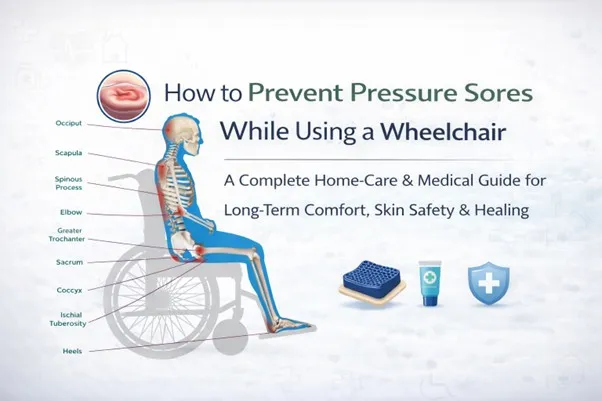
When sitting, most body weight rests on:
- Sitting
bones (ischial tuberosities)
- Tailbone
- Thighs
Without cushioning:
- Pressure
cuts blood flow
- Tissue
damage begins
- Pain
and ulcers develop
A proper cushion:
- Spreads
pressure evenly
- Absorbs
shock
- Stabilizes
the pelvis
- Maintains
spinal alignment
Who Needs a Specialized Wheelchair Cushion?
Cushions are critical for:
- Elderly
users
- Long-term
wheelchair users
- Stroke
and paralysis patients
- Diabetics
- Bariatric
users
- Post-surgery
recovery patients
If sitting exceeds 2-3 hours/day, a specialized cushion is
recommended.
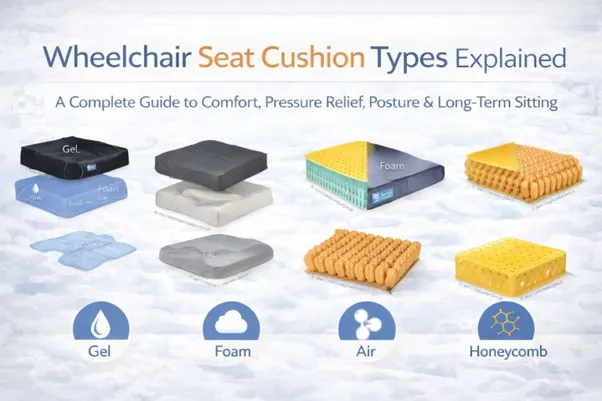
Main Types of Wheelchair Seat Cushions Explained
Foam Wheelchair Cushions
What It Is
High-density foam shaped to support sitting posture.
Pros
- Lightweight
- Affordable
- Comfortable for short durations
Cons
- Compresses over time
- Limited pressure relief
- Not suitable for high-risk users
Best For
- Short-term
wheelchair use
- Occasional
sitting
- Temporary
injury recovery
Gel Wheelchair Cushions
What It Is
Gel layer combined with foam base.
Pros
- Better pressure distribution
- Cooling effect
- Reduced skin friction
Cons
- Heavier
- Gel may shift if poorly designed
Best For
- Elderly
users
- Moderate
pressure sore risk
- Long
sitting hours
Gel cushions are one of the most popular choices in Indian
home care.
Air (Inflatable) Wheelchair Cushions
What It Is
Air-filled cells that adjust to body shape.
Pros
- Best pressure relief
- Excellent for high-risk users
- Adjustable firmness
Cons
- Requires maintenance
- Can puncture if mishandled
- Slightly higher cost
Best For
- Long-term
wheelchair users
- Pressure
sore prevention
- Spinal
injury patients
Air cushions are clinically recommended for pressure ulcer
prevention.
Hybrid Cushions (Foam + Gel / Foam + Air)
What It Is
Combination design for balanced support.
Pros
- Good pressure relief
- More stable than full air
- Moderate maintenance
Cons
- Costlier than foam
- Slightly heavier
Best For
- Users
needing comfort + stability
- Long
sitting hours without complex maintenance
Cushion Selection Based on Medical Condition
Elderly Users
- Gel
or hybrid cushions
- Focus
on comfort and stability
Stroke / Paralysis Patients
- Air
or hybrid cushions
- Strong
pelvic support
Spinal Injury Patients
- Air
cushions (preferred)
- Maximum
pressure relief
Bariatric Users
- High-density
foam + gel
- Weight-rated
cushions
Cushion Thickness & Shape: Why It Matters
Thickness
- Too
thin → poor pressure relief
- Too
thick → unstable posture
Contoured Cushions
- Improve
pelvic alignment
- Prevent
sliding
- Enhance
posture
Flat cushions are suitable only for short-term use.
Common Cushion Mistakes Families Make
- Using sofa cushions or pillows
- Choosing based only on softness
- Ignoring weight rating
- Never replacing worn-out cushions
These mistakes lead to pain, sores, and poor posture.
How Often Should a Wheelchair Cushion Be Replaced?
|
Cushion
Type |
Replacement
Timeline |
|
Foam |
6-12 months |
|
Gel |
12-18 months |
|
Air |
18-24 months |
Replace sooner if:
- Cushion
feels flat
- Shape
is distorted
- Pain
increases
Cushion Care & Maintenance Tips
- Clean
cover weekly
- Keep
cushion dry
- Check
air pressure regularly (air cushions)
- Rotate
cushion if reversible
Proper care extends cushion life and safety.
Indian Home-Care Considerations
- Hot
climate → breathable materials
- Long
sitting hours → pressure relief priority
- Limited
caregiver availability → stable cushions preferred
Choose based on real daily usage, not theory.
Aarogyaa Bharat Cushion Solutions
Aarogyaa Bharat offers:
- Pressure-relief
wheelchair cushions
- Gel,
air & hybrid options
- Condition-specific
guidance
- Rental
& purchase flexibility
Because comfort and safety must go together.
Conclusion: Comfort Is Preventive Healthcare
A wheelchair seat cushion is not a luxury add-on. It is a
medical necessity that protects:
- Skin
- Muscles
- Bones
- Posture
- Overall
well-being
The right cushion:
- Prevents
pain and sores
- Improves
sitting tolerance
- Enhances
daily comfort
- Reduces
caregiver stress
Investing in the correct wheelchair cushion today prevents
medical complications tomorrow.