Understanding the Difference Between a Walker and a Walking Stick
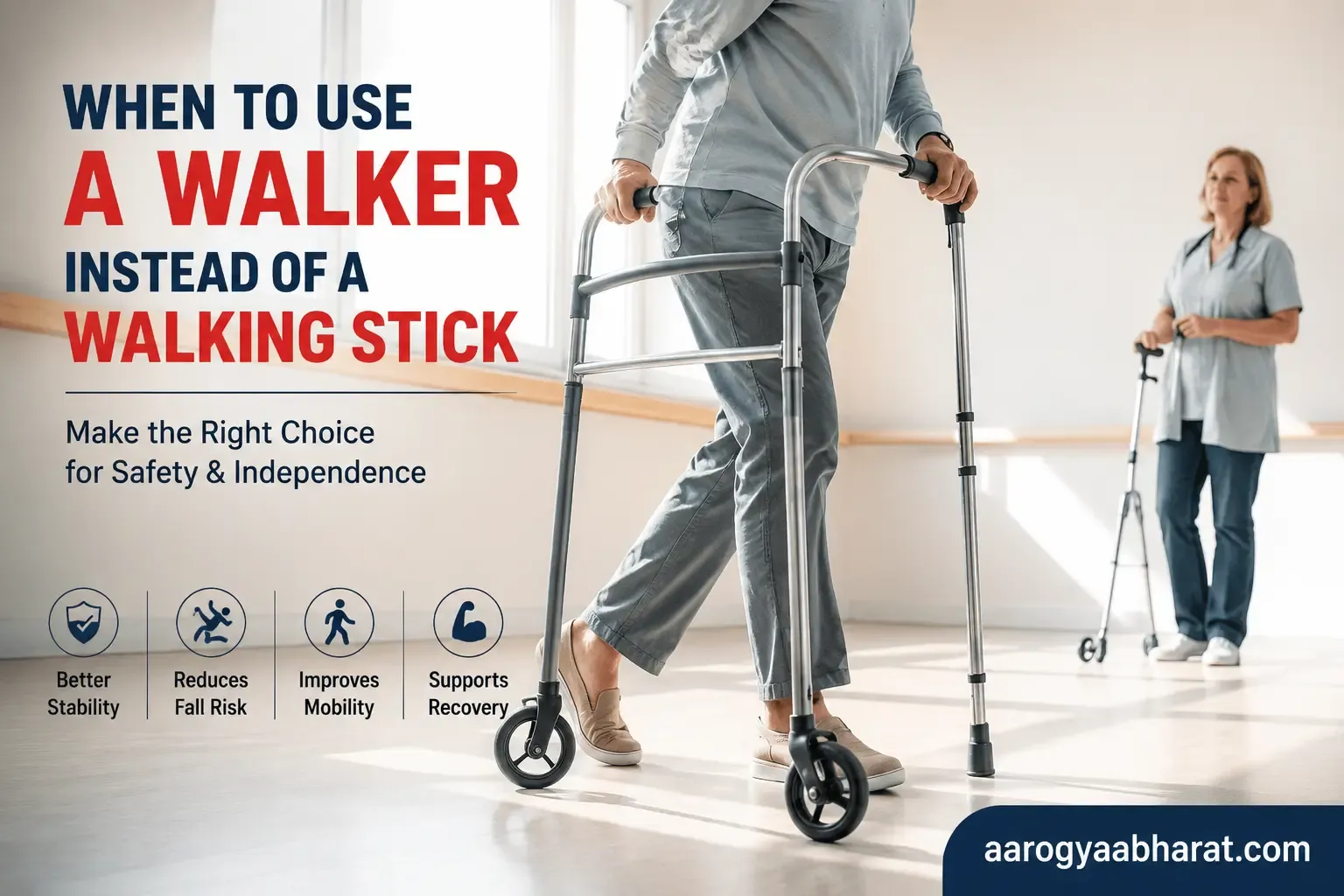
A walking stick is designed for individuals who require
minimal support while walking. It helps improve balance and reduces pressure on
one side of the body. A walker, on the other hand, provides a larger support
base and is recommended for people who need greater stability and
weight-bearing assistance. Many healthcare professionals recommend Walking
Aids for Seniors based on an individual's balance, strength, and mobility
condition. Choosing the right mobility aid can significantly improve safety and
confidence during daily activities.
|
Feature |
Walking Stick |
Walker |
|
Stability |
Moderate |
High |
|
Weight Support |
Low |
High |
|
Fall Prevention |
Basic |
Excellent |
|
Suitable for Recovery |
Limited |
Ideal |
|
Indoor & Outdoor Use |
Yes |
Yes |
1. When You Have Frequent Balance Issues
If you often feel unsteady while walking or experience
dizziness and balance problems, a walker is usually a better option than a
walking stick. A walker provides support on both sides of the body and creates
a larger base of stability. Individuals who use Mobility Aids for
long-term balance support often find walkers more effective in reducing fall
risks and improving confidence. For seniors especially, maintaining balance is
essential for independent living and injury prevention.
2. After Surgery or Injury Recovery
Patients recovering from knee replacement, hip surgery,
fractures, or orthopedic procedures often require more support than a walking
stick can provide. Walkers help distribute body weight evenly and reduce strain
on healing joints and muscles. Healthcare professionals frequently recommend
walkers as part of Rehabilitation Equipment programs because they
support safe movement during recovery. Combining mobility support with quality Patient
Care Equipment can significantly improve rehabilitation outcomes and
recovery speed.
3. When You Need Weight-Bearing Support
A walking stick mainly assists with balance, but it cannot
support significant body weight. If you have difficulty putting full weight on
one or both legs, a walker provides stronger support and stability. Many
individuals recovering at home use walkers along with a Hospital Bed for
Home Care to create a safer and more comfortable recovery environment.
Proper weight-bearing support helps reduce pain and improves confidence during
movement.
4. If You Have a High Risk of Falling
Falls are one of the leading causes of injuries among
elderly individuals. If you have a history of falls or feel unsafe while
walking, a walker offers greater protection than a walking stick. The wider
frame helps prevent sudden loss of balance and provides multiple points of
contact with the ground. Many seniors combine walkers with other Elderly
Care Products to improve safety and maintain independence in daily life.
5. For Long-Term Mobility Challenges
Individuals with chronic mobility conditions such as
arthritis, Parkinson’s disease, neurological disorders, or muscle weakness
often benefit more from walkers than walking sticks. Walkers provide consistent
support during daily activities and reduce physical strain. Modern Healthcare
Products India trusts for mobility care are designed to support long-term
independence while improving comfort and safety. Using the right mobility aid
can make everyday tasks significantly easier.
6. When Traveling or Moving Frequently
Modern foldable walkers are lightweight, portable, and easy
to transport. They can be folded and stored in cars, buses, trains, or
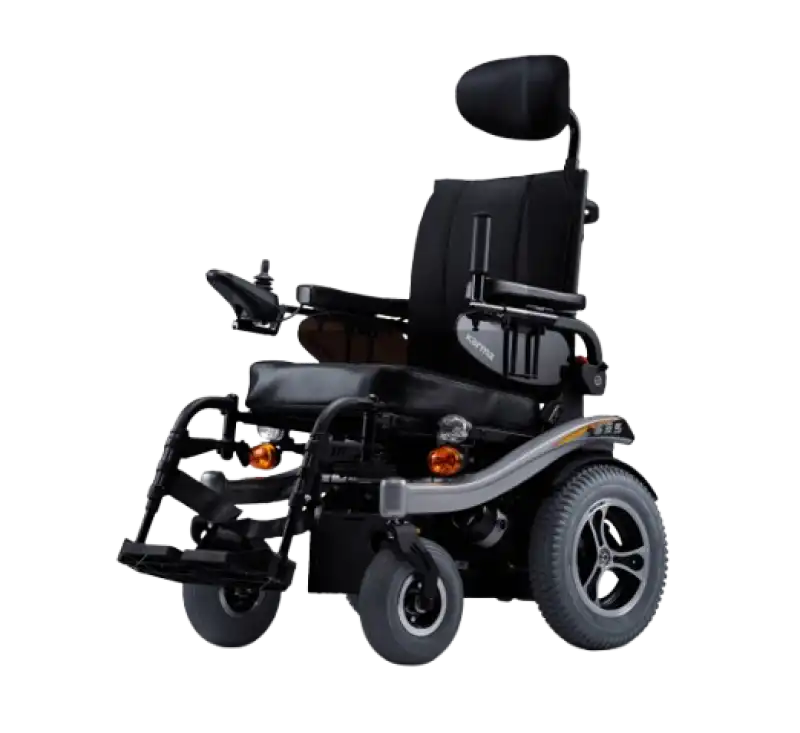
airplanes, making them convenient for travel. Many users pair a walker with a Wheelchair
for Patients for longer journeys where walking continuously may be
difficult. Portable Medical Equipment on Rent services also make it
easier for travelers and temporary users to access mobility support when
needed.
How to Know If You Need a Walker
Several signs may indicate that it is time to switch from a
walking stick to a walker. If you frequently lose balance, require support from
walls or furniture while walking, experience weakness in both legs, or have
recently undergone surgery, a walker may provide safer and more effective
mobility assistance. Healthcare professionals can also assess your mobility
level and recommend the most suitable Healthcare Calculator and mobility
support solutions for your needs.
Benefits of Using a Walker
Walkers provide numerous advantages for individuals who need
additional support during movement. They improve balance, reduce fall risks,
increase independence, and help users remain active. Many people also use
walkers alongside Commode Chair solutions, Oxygen Concentrator
support systems, and other healthcare equipment to create a comprehensive home
care environment. These benefits make walkers one of the most effective
mobility aids available today.
Conclusion
Choosing between a walking stick and a walker depends on
your individual mobility needs, balance, strength, and recovery requirements.
While walking sticks are suitable for mild support, walkers provide greater
stability, safety, and confidence for those facing mobility challenges. If you
experience frequent balance issues, require weight-bearing assistance, or are
recovering from surgery, a walker may be the better option.
Aarogyaa Bharat offers trusted Home Healthcare Products, Patient Care Equipment, mobility aids, and rehabilitation solutions designed to improve quality of life and support safer movement. Explore our range of healthcare products and find the right mobility solution for your needs.
Explore Related Blogs