
Introduction
Most of us visit a doctor when something feels wrong—a fever that won't go away, sudden fatigue, or persistent pain. But what if the smartest thing you could do for your health is to walk into a clinic when you feel perfectly fine?
That’s where routine health checkups come in. They may not seem urgent or exciting, but they are one of the most powerful tools for a long, healthy, and peaceful life.
Why Do Routine Checkups Matter When You Feel Healthy?
Because not every illness knocks loudly.
Many chronic diseases—like diabetes, high blood pressure, thyroid imbalances, liver or kidney issues, even some forms of cancer—develop silently. By the time symptoms appear, damage may already be in progress.
Regular health checkups help:
Detect issues early, when treatment is simpler and more effective.
Track vitals like blood pressure, cholesterol, sugar levels before they become problematic.
Offer a complete picture of your health trajectory over time.
Give you peace of mind—and that’s invaluable.
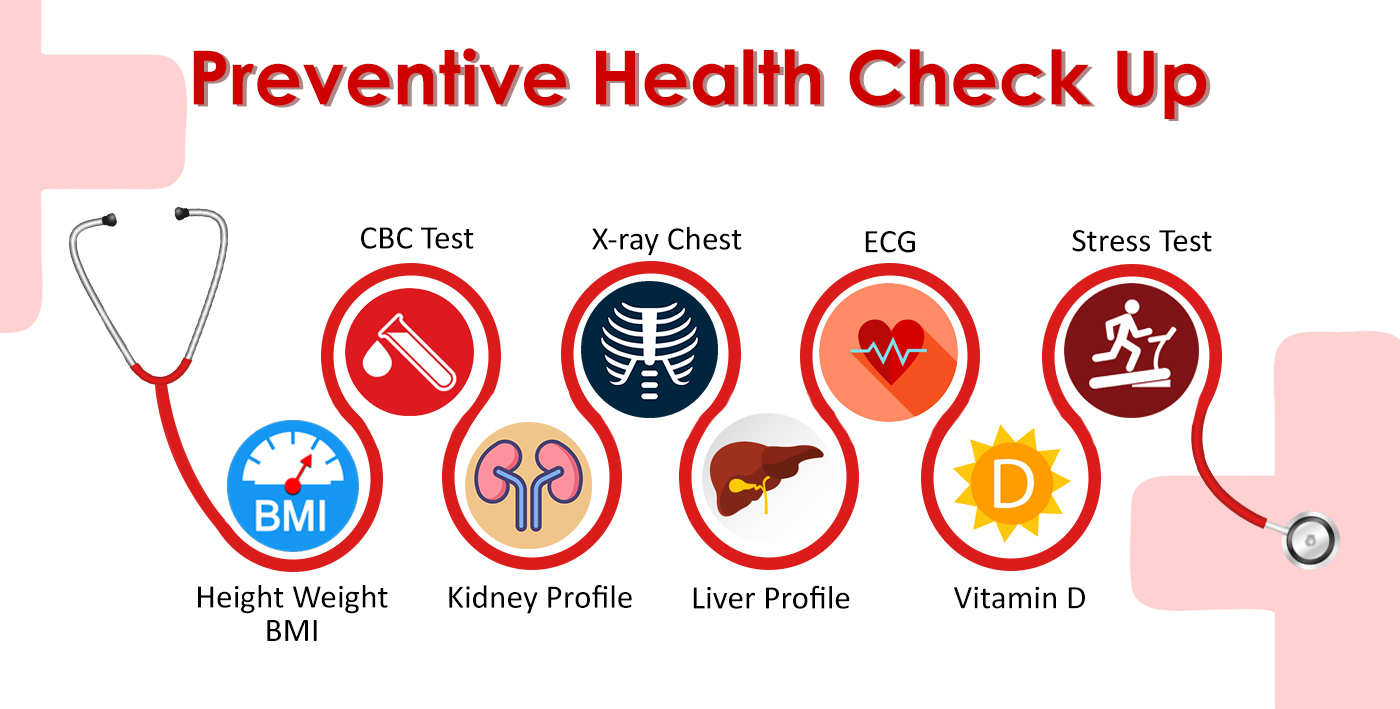
What Happens During a General Health Checkup?
Depending on your age, gender, and medical history, your doctor may recommend different tests. But a standard checkup generally includes:
Basic physical exam
Vital signs check (BP, pulse, respiration rate, temperature)
Blood tests (CBC, blood sugar, lipid profile)
Urine test
Thyroid profile
ECG or chest X-ray (especially for older adults)
BMI calculation
Liver and kidney function tests
It’s not just about “finding problems”—it’s about building a preventive roadmap for your health.
How Often Should You Go for a Checkup?
| Age Group | Frequency |
|---|---|
| 20–30 years | Every 2–3 years |
| 30–40 years | Once every 1–2 years |
| 40+ years | Annually |
| With existing conditions | As per doctor’s advice |
Note: Women should also schedule routine gynecological exams and breast health checks; men should consider prostate screenings after a certain age.
What Gets Caught Early Saves Lives
Imagine catching:
High cholesterol before it causes a heart attack
High blood pressure before it damages your kidneys or brain
Type 2 diabetes before your vision or nerves suffer
Cervical or breast abnormalities before they turn cancerous
Vitamin D or B12 deficiencies before they lead to fatigue, mood swings, or memory fog
Prevention isn’t a buzzword—it’s a lifesaving strategy.
Mental Health Check-ins Matter Too
Your emotional well-being deserves just as much attention. If you're facing unexplained sleep issues, mood swings, anxiety, or a sense of constant stress—mention it during your checkup.
A simple conversation could be the first step toward better mental clarity and emotional balance.
Building a Healthy Relationship With Your Doctor
One of the often-overlooked benefits of regular checkups is continuity. When your doctor knows your history, your habits, and your body, they can offer personalized advice, not just generic prescriptions.
It also makes it easier to detect subtle changes—like small shifts in weight, sleep patterns, or stress levels—that could signal deeper issues.
A Cost Today That Saves You Tomorrow
Many people skip checkups thinking they’ll “save money.” But a delayed diagnosis can lead to:
Expensive hospital stays
Invasive treatments
Missed workdays
Emotional and physical burnout
Prevention is not just healthier—it’s cheaper in the long run.
Conclusion: Your Health Is a Lifelong Investment
Taking time out for a routine checkup might not feel urgent. But it's one of the most responsible and self-loving actionsyou can take. You owe it to yourself, and to those who depend on you.
So the next time you feel “fine,” don’t brush off that annual checkup. Health is more than just the absence of illness—it’s knowing your body is truly well, from the inside out.