Introduction: Beauty That Begins from Within
We live in a world where skincare shelves are overflowing with face washes, serums, creams, and toners that promise instant glow, anti-aging miracles, and “flawless” skin. But have you ever paused to check what’s inside these bottles?
Many commercial beauty products are packed with harsh chemicals, synthetic fragrances, and preservatives. While they may give temporary results, overuse or long-term use can lead to dryness, pigmentation, acne, and even premature aging.
True skin health doesn’t come from the outside alone. It begins deep inside—with what you eat every single day.
What’s Really in Most Commercial Beauty Products?
Let’s break it down. A large number of cosmetics and personal care items include:
Parabens – linked to hormone disruption
Sulfates (SLS/SLES) – strip natural oils, cause irritation
Synthetic fragrances – a major cause of allergic reactions
Alcohols and preservatives – dry out the skin and lead to sensitivity
Silicones – clog pores and trap dirt
Most of these aren’t visible in the short term. But over time, regular use can weaken your skin’s natural barrier, make it overly dependent on products, or worse—trigger chronic issues.
The Side Effects of Over-Reliance on Chemical Skincare
Skin Thinning and Increased Sensitivity
Harsh exfoliants, steroid creams, and peels can erode your skin's protective layer, making it sensitive to sun, pollution, or even water.Breakouts and Pigmentation
Chemicals that claim to “brighten” or “whiten” skin often disturb your melanin production, causing patchiness, pigmentation, or stubborn acne.Premature Aging
When your skin is over-exposed to synthetic ingredients, it loses elasticity over time—leading to fine lines and dullness.Dependency on Products
Many products promise "glass skin" but trap your skin in a cycle. Without them, your skin appears worse than before.
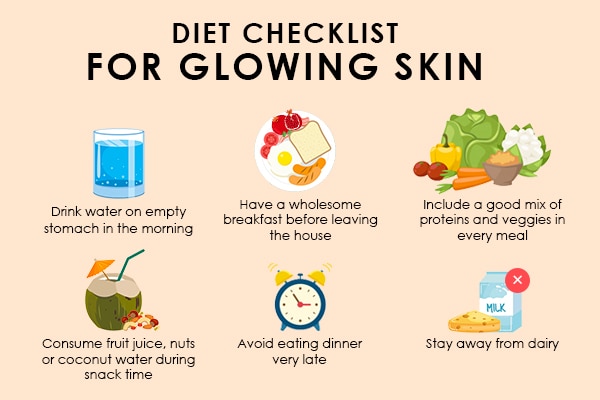
Your Diet: The Most Honest Skincare Routine
Instead of chasing quick fixes, think long term. A nutrient-rich, well-balanced diet can give your skin a natural glow that no bottle can match.
Here’s how:
Antioxidants (Vitamins A, C, E)
Found in berries, citrus fruits, leafy greens, and nuts—these help fight free radicals and slow down signs of aging.
Healthy Fats (Omega-3s & 6s)
Walnuts, flaxseeds, avocados, and ghee nourish your skin from within, keeping it plump and hydrated.
Hydration
Water-rich fruits like watermelon, cucumber, and coconut water support skin detox and glow.
Protein and Collagen Sources
Tofu, paneer, dals, and bone broth aid in skin cell repair and firmness.
Whole Grains and Gut Health
Brown rice, oats, and probiotics like curd maintain digestive health—which directly impacts your skin clarity.
Food vs. Formula: The Real Difference
| Beauty Creams/Serums | Nutrient-Dense Food Alternatives |
|---|---|
| Skin lightening creams with bleach | Vitamin C from oranges or amla |
| Moisturizers with alcohol | Avocado, nuts, and ghee for hydration |
| Anti-aging serums with retinoids | Carrots, spinach, and pumpkin seeds |
| Instant acne solutions | Turmeric milk, neem, and probiotics |
Tips for Natural, Skin-Friendly Beauty
Check labels. If you can’t pronounce the ingredients, think twice.
Use minimal skincare. Let your skin breathe between products.
Include 5 colorful fruits/veggies daily. Nature has a glow-up plan for you.
Avoid fad diets. Healthy skin needs carbs, fats, and proteins in balance.
Sleep well and reduce stress. They show up on your face more than you think.
Conclusion: Skin That Glows from the Inside
Chemical-laden beauty products may offer temporary satisfaction, but they can damage your skin in the long run. Your skin is your largest organ—it reflects your inner health more than any high-end cream can.
Start with your kitchen. Eat clean. Stay hydrated. Prioritize rest. Choose simplicity over marketing noise.
Because at the end of the day, no serum can replace a good lifestyle.
FAQs
Q1. Are all chemical-based beauty products harmful?
Not all, but frequent use of products with strong preservatives, fragrances, or alcohol can damage sensitive skin.Q2. Can diet alone cure acne or pigmentation?
It plays a huge role, but in some cases, combining it with mild, non-irritating topical treatments or dermatologist advice works best.Q3. I eat well, but my skin still breaks out. Why?
Stress, sleep patterns, hygiene, and hormonal issues can also affect your skin. Diet is one part of the overall skin health equation.Take the natural path to glowing skin.
Explore wellness products, organic solutions, and clean skincare at 👉 www.aarogyaabharat.com
Let me know if you'd like an Instagram carousel or infographic version of this blog.