Introduction
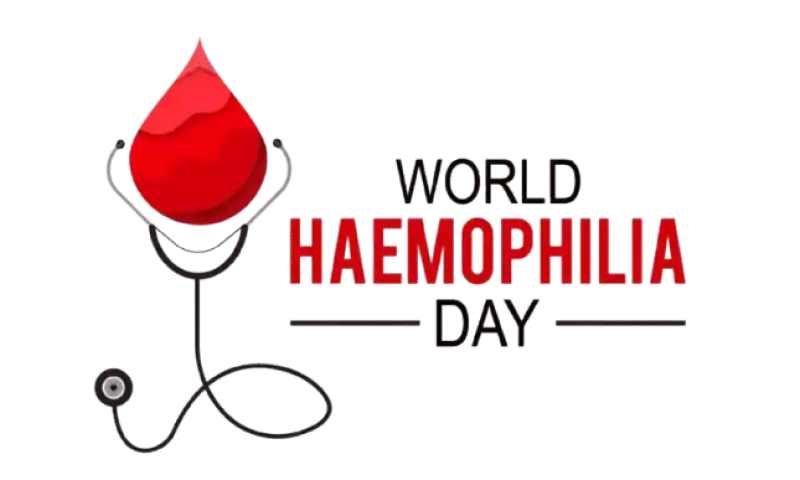
Every year on April 17, the global healthcare community comes together to observe World Hemophilia Day, a dedicated initiative to raise awareness about hemophilia and other inherited bleeding disorders. Established by the World Federation of Hemophilia (WFH), this day commemorates the birthday of WFH founder Frank Schnabel and serves as a reminder of the importance of early diagnosis, equitable treatment access, and lifelong support for those affected.
Despite advancements in medical science, hemophilia continues to be underdiagnosed and poorly managed in many parts of the world, particularly in low- and middle-income countries like India. The 2025 theme, “Equitable Access for All: Recognizing All Bleeding Disorders,” highlights the urgent need to extend care beyond major cities and include lesser-known bleeding conditions that often go unnoticed.
What Is Hemophilia?
Hemophilia is a rare genetic bleeding disorder in which the blood fails to clot normally due to missing or insufficient clotting factors. The most common types involve a deficiency of Factor VIII (Hemophilia A) or Factor IX (Hemophilia B). Because clotting is impaired, even minor injuries can lead to prolonged bleeding, while internal bleeding may occur without obvious cause.
Common signs and symptoms include:
• Prolonged bleeding after cuts, dental procedures, or surgery
• Frequent nosebleeds
• Easy bruising
• Joint pain and swelling caused by internal bleeding
• Blood in urine or stool
Hemophilia primarily affects males because it is linked to the X chromosome, though females can be carriers and may experience mild symptoms in some cases.
Types of Hemophilia Explained
Hemophilia is broadly classified based on the clotting factor involved:
Hemophilia A results from a deficiency of Factor VIII and is the most common form, affecting approximately 1 in 5,000 male births.
Hemophilia B is caused by a lack of Factor IX and occurs in about 1 in 25,000 male births.
Acquired hemophilia is a rare autoimmune condition that develops later in life, often seen in elderly individuals or postpartum women.
Each type varies in severity, ranging from mild to severe, depending on clotting factor levels in the blood.
Diagnosis and Early Screening
Early diagnosis plays a crucial role in preventing complications such as joint damage, chronic pain, and disability. Diagnosis typically involves reviewing family medical history, performing blood tests to assess clotting factor levels, and, when needed, genetic testing for carrier detection or prenatal screening.
In India, delayed diagnosis remains a significant challenge, especially in rural and underserved regions. Many patients are diagnosed only after experiencing severe or life-threatening bleeding episodes. World Hemophilia Day emphasizes the importance of awareness campaigns, community screening, and strengthening diagnostic infrastructure to address this gap.
Available Treatment Options
Although hemophilia has no permanent cure at present, modern treatments allow individuals to lead active and productive lives.
Factor replacement therapy remains the cornerstone of treatment, involving regular infusions of missing clotting factors to prevent or control bleeding episodes.
Non-factor therapies, such as emicizumab, offer newer treatment options by mimicking clotting activity and reducing the frequency of injections.
Gene therapy is an emerging field that shows promise for long-term management by correcting the underlying genetic defect, though it is still under clinical trials.
Supportive care, including physiotherapy, pain management, and joint protection strategies, is essential for maintaining mobility and quality of life.
Challenges Faced by Hemophilia Patients in India
India has over 20,000 registered hemophilia patients, but experts estimate that the actual number may exceed 2 lakh due to underdiagnosis. Major challenges include limited awareness, high treatment costs, lack of specialized diagnostic facilities in rural areas, and social stigma that often leads to isolation.
World Hemophilia Day is therefore more than a symbolic observance—it is a call for policy reform, improved funding, and stronger community support systems to ensure no patient is left behind.
How Individuals Can Support World Hemophilia Day 2025
Everyone can play a role in raising awareness and supporting the cause. Wearing red on April 17 helps show solidarity. Donating blood or plasma supports treatment availability. Sharing educational content on social media spreads awareness. Participating in or organizing local awareness programs strengthens community engagement. Supporting NGOs and hemophilia societies directly contributes to patient care and advocacy.
Role of Government and NGOs
Government initiatives such as NHM and Ayushman Bharat provide partial financial support for hemophilia treatment. Organizations like the Hemophilia Federation of India (HFI) actively work in advocacy, education, and patient assistance. Several state-run medical colleges now offer free clotting factor therapy in select regions, marking a positive step toward inclusive healthcare.
Conclusion
World Hemophilia Day serves as a powerful reminder that awareness, early diagnosis, and equitable access to treatment can dramatically improve lives. Hemophilia may be lifelong, but with the right care and support, individuals can live full and healthy lives. Each conversation, shared resource, and informed decision helps reduce stigma and close gaps in care.
Aarogyaa Bharat supports preventive healthcare and patient empowerment by providing trusted medical products, home-care solutions, and health awareness resources—helping families manage long-term conditions with confidence and dignity.