Understanding Incontinence in Elderly Individuals
Incontinence is a common health concern among elderly
individuals and can occur due to aging, mobility challenges, neurological
conditions, or post-surgery recovery. As the body changes with age, bladder
control may weaken, making dependable hygiene solutions essential for daily
life. The right incontinence diaper does more than manage leakage; it helps
seniors maintain confidence, independence, and comfort throughout the day.
Caregivers often face confusion when selecting products because different seniors
have different needs. Some may require light protection during daytime
activities, while others may need heavy overnight absorbency. Understanding the
physical and emotional aspects of elderly care is the first step toward
choosing a diaper that supports both health and dignity.
Types of Incontinence Diapers Suitable for Elderly Users
Elderly individuals require diapers that match their
mobility level and lifestyle. Pant-style diapers are often preferred by seniors
who can walk or stand independently because they resemble regular underwear and
allow discreet movement. Tape-style diapers are commonly used for bedridden or
semi-mobile individuals, as caregivers can adjust the fit easily without
removing clothing completely. Belted diapers provide additional waist support
and can be useful for seniors who require partial assistance during dressing.
Overnight diapers are designed with enhanced absorbent layers, offering
extended protection during long sleep hours. Understanding these variations
ensures families choose a product that balances comfort, hygiene, and
practicality.
Key Features That Define the Best Incontinence Diapers
for Seniors
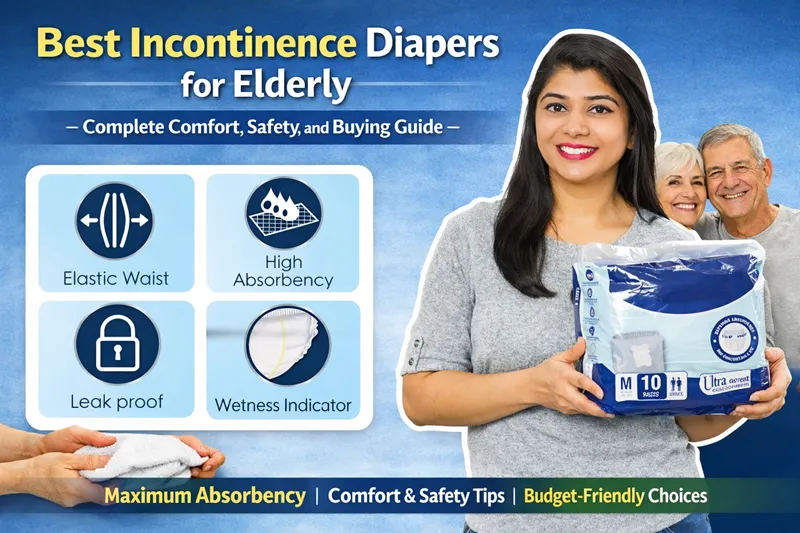
High-quality incontinence diapers include several advanced
features designed specifically for elderly users. A strong absorbent core locks
moisture away from the skin, preventing prolonged dampness that may cause
irritation. Breathable outer layers allow airflow, which is particularly
important in warm climates where excessive heat can cause discomfort. Leak
guards around the legs provide additional security during movement or sleep,
while odor-control technology helps seniors feel confident in social settings.
Soft inner linings reduce friction and are gentle on sensitive skin, ensuring
that diapers remain comfortable even during extended wear. These features work
together to create a balanced combination of protection and comfort.
Comparison of Incontinence Diaper Types for Elderly Care
|
Diaper
Type |
Best Use
Case |
Key
Advantages |
Mobility
Level |
|
Pant-Style
Diapers |
Active
seniors |
Discreet,
easy to wear |
Moderate to
High |
|
Tape-Style
Diapers |
Bedridden
elderly |
Adjustable
fit, high absorption |
Low Mobility |
|
Belted
Diapers |
Assisted
dressing |
Secure waist
support |
Moderate
Mobility |
|
Overnight
Diapers |
Nighttime
protection |
Extended
dryness |
All Mobility
Levels |
|
Under pads |
Bedding
protection |
Extra hygiene
support |
Bedridden
Users |
Choosing the Right Absorbency Level for Elderly Needs
Absorbency level plays a crucial role in determining how
effective a diaper will be for daily use. Light absorbency diapers are suitable
for seniors with occasional leaks or those who remain active throughout the
day. Moderate absorbency products work well for long outings or travel,
offering reliable protection without feeling bulky. High-absorbency diapers are
ideal for overnight use or for individuals with severe incontinence, as they
provide extended dryness and minimize the need for frequent changes. Selecting
the correct absorbency level not only improves comfort but also reduces the
risk of skin irritation and unnecessary product waste.
Importance of Proper Fit and Sizing for Seniors
A diaper that fits correctly improves both comfort and
performance. Tight diapers can restrict movement and cause redness, while loose
diapers may lead to leakage and discomfort. Measuring waist and hip size
accurately helps families choose the right size. Elastic waistbands and
stretchable panels allow flexibility during movement, ensuring seniors feel
comfortable whether sitting, standing, or lying down. For bedridden
individuals, adjustable tabs help caregivers customize the fit, preventing gaps
that may cause accidents. Proper sizing is one of the most important factors in
achieving reliable protection.
Materials and Skin-Protection Technology in Modern Adult
Diapers
|
Feature |
Purpose |
Benefit
for Elderly Users |
|
Breathable
Outer Layer |
Allows
airflow |
Reduces heat
buildup and sweating |
|
Super
Absorbent Core |
Locks
moisture inside |
Keeps skin
dry longer |
|
Wetness
Indicator |
Signals
change time |
Improves
hygiene routine |
|
Odor Control
Layer |
Maintains
freshness |
Enhances
confidence |
|
Soft Inner
Surface |
Gentle
contact |
Prevents
rashes and irritation |
Modern diaper technology focuses on skin health, ensuring
that seniors can wear diapers for extended periods without discomfort. Choosing
products with these features can significantly improve daily living conditions.
Daytime vs Overnight Incontinence Diapers for Elderly
Comfort
Daytime diapers are typically lighter and more flexible,
allowing seniors to move comfortably during daily activities. They focus on
breathability and discreet design, making them suitable for social interactions
or travel. Overnight diapers, however, are designed with thicker absorbent
cores and stronger leak guards to maintain dryness during long sleep hours.
Using separate products for day and night ensures optimal protection while
reducing skin stress caused by prolonged moisture exposure.
Common Mistakes to Avoid When Buying Elderly Incontinence
Diapers
Many families choose diapers based only on price, but
low-quality products often require more frequent changes and may cause
discomfort. Another common mistake is selecting a diaper without considering
the user’s mobility level. Pant-style diapers may not be suitable for bedridden
individuals, while tape-style options might feel restrictive for active
seniors. Ignoring sizing guidelines can also lead to leaks and reduced comfort.
Taking time to evaluate individual needs helps prevent these issues and ensures
better long-term satisfaction.
Hygiene and Daily Care Tips for Elderly Users
Maintaining proper hygiene is essential when using
incontinence diapers. Diapers should be changed regularly to prevent moisture
buildup and skin irritation. Cleaning the skin gently with mild wipes or warm
water and allowing it to dry before applying a new diaper helps maintain skin
health. Barrier creams can provide additional protection for seniors with
sensitive skin. Proper disposal of used diapers and maintaining a clean
environment ensures dignity and comfort for both users and caregivers.
Why Aarogyaa Bharat Recommends Thoughtful Incontinence
Care
Aarogyaa Bharat focuses on providing reliable home
healthcare solutions that support elderly independence and comfort.
High-quality incontinence diapers play an important role in daily care by
reducing stress for caregivers while ensuring seniors feel secure and
confident. By offering guidance on product selection, hygiene practices, and
daily routines, Aarogyaa Bharat helps families create safer and more supportive
home environments for elderly loved ones.
Conclusion
Choosing the best incontinence diapers for elderly
individuals requires careful consideration of absorbency, fit, materials, and
daily lifestyle. The right diaper provides more than just protection; it
enhances dignity, independence, and overall comfort. By understanding different
diaper types and focusing on skin-friendly features, families can ensure safer
and more effective elderly care at home. Aarogyaa Bharat encourages informed
decisions and consistent hygiene practices so seniors can enjoy a comfortable,
confident, and secure daily routine.