Understanding Joint Problems in Elderly Individuals
Joint problems are one of the most common health concerns
among elderly individuals, often caused by conditions such as arthritis,
osteoporosis, or age-related wear and tear of cartilage and bones, which leads
to pain, stiffness, and reduced mobility over time. These conditions can make
everyday movements such as walking, standing, or climbing stairs difficult and
uncomfortable, significantly affecting the quality of life. Joint pain not only
limits physical activity but also increases the risk of falls due to reduced
balance and coordination. In many cases, seniors may avoid movement altogether
due to discomfort, which further weakens muscles and worsens joint health.
Maintaining mobility while minimizing joint strain is essential for long-term
health, and walkers play a crucial role in achieving this balance. Platforms
like Aarogyaa Bharat Hospital Pages highlight the importance of assistive
devices in managing joint-related conditions and improving overall mobility
outcomes.
Why Walkers Are Essential for Joint Support and Pain Relief
Walkers are specifically designed to provide support and
stability, making them an essential tool for elderly individuals suffering from
joint pain. They help in redistributing body weight, reducing pressure on
affected joints such as knees, hips, and ankles, which can significantly
alleviate discomfort during movement. This weight distribution allows users to
move more comfortably and reduces the risk of further joint damage. Walkers
also improve balance and posture, preventing uneven stress on joints and minimizing
the likelihood of secondary issues such as back pain. Additionally, they
provide a stable frame that users can rely on, increasing confidence and
encouraging regular movement. Tools like Healthcare Calculator can assist in
determining the most suitable walker based on the user’s joint condition and
mobility needs.
Types of Walkers Suitable for Joint Support
There are various types of walkers available that cater to
different levels of joint support and mobility requirements. Standard walkers
provide maximum stability and are ideal for individuals with severe joint pain
who require strong support. Two-wheel walkers offer a balance between stability
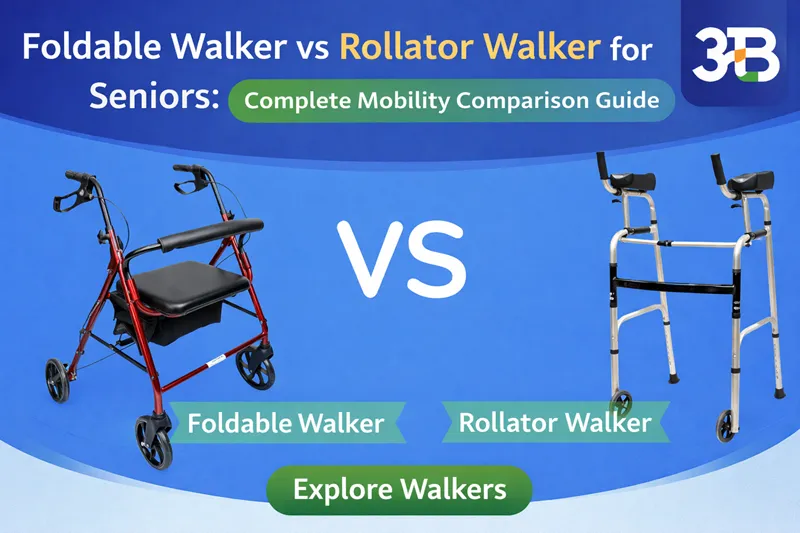
and ease of movement, making them suitable for moderate joint issues. Rollator
walkers, equipped with four wheels, brakes, and seats, are ideal for
individuals who need continuous movement with minimal strain, as they reduce
the need for lifting. All-terrain walkers with larger wheels are suitable for
outdoor use, providing better traction and stability on uneven surfaces.
Availability of these walkers can be explored through Aarogyaa Bharat City
Pages, helping users find suitable options in their local area.
Key Features to Look for in Walkers for Joint Support
When selecting a walker for joint support, certain features
are essential to ensure comfort and effectiveness. Lightweight construction is
important for reducing the effort required to move the walker, especially for
individuals with limited strength. Adjustable height settings help maintain
proper posture, reducing strain on joints and muscles. Ergonomic handles
provide a comfortable grip, minimizing stress on the hands and wrists. Walkers
with wheels allow smoother movement, reducing the need for lifting and
minimizing joint impact. Shock-absorbing mechanisms can further enhance comfort
by reducing the impact of uneven surfaces. Durable frames ensure stability and
long-term usability, making the walker a reliable support for daily activities.
Benefits of Using Walkers for Joint Support
Using a walker provides numerous benefits for elderly
individuals dealing with joint pain and stiffness. Walkers reduce pressure on
joints, alleviating pain and improving comfort during movement. They provide
enhanced stability, reducing the risk of falls and injuries. Walkers also
promote better posture and alignment, preventing uneven stress on joints and
minimizing the risk of additional complications. Additionally, they encourage
regular physical activity by making movement more accessible and less painful.
Over time, consistent use of a walker can improve joint flexibility, muscle
strength, and overall mobility, contributing to a better quality of life.
Comparison of Walkers for Joint Support
|
Joint
Relief |
Stability |
Ease of
Movement |
Best Use
Case |
|
|
Standard
Walker |
High |
High |
Moderate |
Severe joint
pain |
|
Two-Wheel
Walker |
Moderate |
High |
Easy |
Moderate
joint issues |
|
Rollator
Walker |
High |
Medium |
Very Easy |
Long-distance
& outdoor use |
Tips for Using Walkers for Joint Support
- Adjust
the walker height to maintain proper posture
- Use
walkers with wheels to reduce joint strain
- Walk
slowly and steadily to avoid sudden stress on joints
- Take
regular breaks to prevent fatigue
- Use
supportive footwear for better comfort
How Aarogyaa Bharat Supports Joint Care Mobility Solutions
Aarogyaa Bharat provides a comprehensive platform that
supports elderly individuals in managing joint-related mobility challenges
through reliable assistive devices. The platform offers a wide range of walkers
designed for joint support, along with detailed product descriptions and
comparisons. By integrating healthcare insights with product availability,
Aarogyaa Bharat ensures that users can make informed decisions based on their
specific needs. Tools like Healthcare Calculator help evaluate mobility requirements,
while Aarogyaa Bharat City Pages assist in locating nearby suppliers and
healthcare providers. This integrated approach simplifies the process of
choosing the right walker and enhances overall mobility support.
Common Mistakes to Avoid When Choosing Walkers for Joint Support
Many individuals make mistakes when selecting walkers for
joint support, which can compromise comfort and effectiveness. Choosing a
walker that is too heavy can increase strain on joints, while selecting a model
without wheels may require more effort and worsen discomfort. Ignoring features
such as adjustable height and ergonomic design can lead to poor posture and
additional joint stress. Additionally, overlooking the importance of stability
and durability can affect safety during use. It is important to carefully
evaluate all features and choose a walker that aligns with the user’s joint
condition and mobility needs.
Long-Term Impact of Using Walkers for Joint Health
Using walkers consistently can have a significant positive
impact on joint health and overall mobility for elderly individuals. By
reducing pressure on joints and encouraging regular movement, walkers help
maintain joint flexibility and prevent stiffness. Improved posture and
alignment reduce the risk of secondary issues such as back pain and muscle
strain. Over time, the use of walkers can contribute to better physical
fitness, increased confidence, and improved independence. This long-term impact
makes walkers an essential tool for managing joint health and maintaining an
active lifestyle.
Future Innovations in Walkers for Joint Support
The design of walkers is continuously evolving, with new
innovations aimed at improving comfort and usability for individuals with joint
issues. Future walkers are expected to incorporate advanced materials that
reduce weight while enhancing durability. Improved suspension systems will
provide better shock absorption, reducing impact on joints during movement.
Smart features such as pressure sensors and stability monitoring may enhance
safety and functionality. Additionally, ergonomic designs will focus on improving
comfort and reducing strain during prolonged use. These advancements will
further enhance the effectiveness of walkers in supporting joint health and
mobility.
Conclusion
Walkers are an essential mobility solution for elderly individuals dealing with joint pain and stiffness, providing support, stability, and improved comfort during daily activities. By reducing pressure on joints and promoting better posture, walkers enable seniors to maintain mobility and independence while minimizing discomfort. Choosing the right walker with appropriate features is crucial for maximizing its benefits. Aarogyaa Bharat plays a vital role in guiding users through this process by offering reliable products, expert insights, and accessible healthcare resources. With the right walker, elderly individuals can achieve better joint health, improved mobility, and a higher quality of life.