Why Elderly Parents Need the Right Wheelchair
Elderly users have unique needs that differ from younger
patients. Age-related issues such as reduced strength, balance problems, joint
pain, arthritis, or post-illness weakness require thoughtful wheelchair
selection.
The right wheelchair
can:
- Reduce
the risk of falls
- Improve
comfort during long sitting hours
- Make
caregiving easier
- Encourage
independence and confidence
- Support
recovery and daily movement
The wrong wheelchair, on the other hand, can cause
discomfort, fear, and dependence.
Key Factors to Consider Before Choosing a Wheelchair for
Seniors
Before selecting a wheelchair, ask these practical
questions:
- Can
your parent move the wheelchair on their own?
- Will
the wheelchair be used daily or occasionally?
- Is
it mostly for indoor use or outdoor movement?
- Does
your parent need toilet assistance?
- How
much space is available at home?
These answers will guide you toward the most suitable
option.
1. Lightweight Wheelchair - Best Overall Choice for
Elderly Parents
Why It’s Ideal
Lightweight
wheelchairs are easier to push, turn, and handle especially indoors.
Best For
- Elderly
parents with limited strength
- Daily
indoor movement
- Caregivers
who assist frequently
Benefits
- Reduced
strain on arms and shoulders
- Easier
for caregivers to manoeuvre
- Comfortable
for longer sitting durations
Things to Note
- Slightly
more expensive than basic models
- Not
meant for rough outdoor terrain
Verdict: One of the best wheelchair options for
elderly home use.
2. Foldable Wheelchair - Perfect for Homes with Limited
Space
Why It’s Popular
Foldable
wheelchairs can be stored easily when not in use, making them ideal for
Indian homes where space is often limited.
Best For
- Apartments
or small houses
- Seniors
who need occasional support
- Families
that travel to hospitals frequently
Benefits
- Easy
to store and transport
- Lightweight
and convenient
- Fits
in car boots
Limitations
- Slightly
less sturdy than fixed-frame chairs
Verdict: Great balance of comfort, convenience, and
practicality.
3. Transit Wheelchair - Best for Fully Assisted Elderly
Users
Why It Works
Transit wheelchairs have small rear wheels and are designed
to be pushed by a caregiver.
Best For
- Elderly
parents who cannot self-propel
- Short-distance
indoor use
- Hospital
visits and transfers
Benefits
- Compact
and easy to turn
- Lightweight
and safe
- Ideal
for narrow hallways
Limitations
- User
cannot move independently
Verdict: Best when a caregiver is always present.
4. Commode Wheelchair – Best for Seniors with Bathroom
Challenges
Why It’s Essential
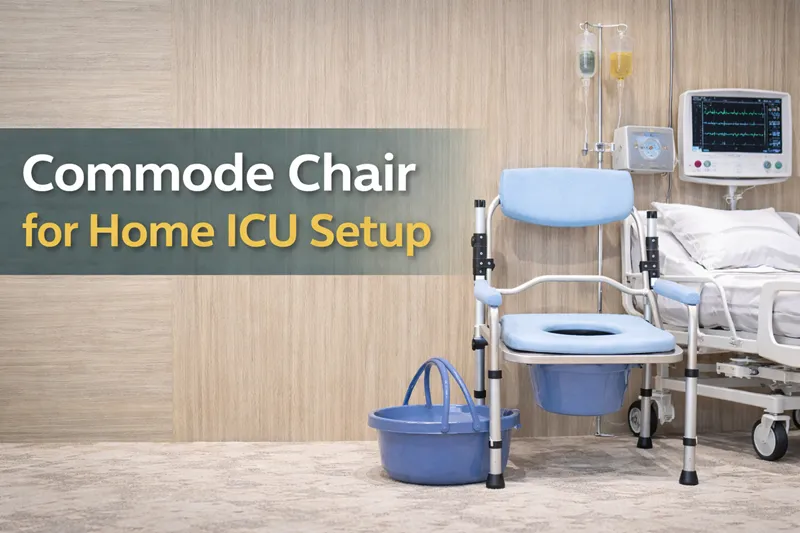
For elderly parents who struggle to walk to the bathroom, a commode
wheelchair can significantly improve comfort and dignity.
Best For
- Seniors
with limited mobility
- Post-surgery
or bedridden users
- Night-time
toilet needs
Benefits
- Reduces
bathroom accidents
- Saves
caregiver effort
- Improves
hygiene and safety
Limitations
- Requires
regular cleaning
- Slightly
heavier than standard chairs
Verdict: Highly recommended for elderly care at home.
5. Reclining Wheelchair - For Seniors Who Sit for Long
Hours
Why It’s Helpful
Reclining
wheelchairs allow the backrest to tilt, reducing pressure on the spine and
hips.
Best For
- Seniors
with spinal issues
- Long
sitting durations
- Neurological
or posture-related conditions
Benefits
- Enhanced
comfort
- Reduces
pressure sores
- Supports
resting position
Limitations
- Bulky
and expensive
- Requires
more space
Verdict: Best for long-term or medical-care
situations.
6. Heavy-Duty Wheelchair - For Extra Support and
Stability
Why It’s Needed
Some elderly users require higher
weight capacity and extra stability.
Best For
- Seniors
with higher body weight
- Daily,
extended use
Benefits
- Strong,
durable frame
- Better
balance and safety
Limitations
- Heavier
and less portable
Verdict: Choose only if weight support is a
requirement.
Features That Matter Most for Elderly Users
When choosing a wheelchair, prioritize these features:
- Comfortable
seat and backrest
- Padded
armrests and footrests
- Anti-slip
wheels
- Easy
braking system
- Lightweight
frame
- Easy
cleaning and maintenance
Avoid paying extra for features your parent won’t use.
Rent or Buy: What’s Better for Elderly Parents?
Rent If:
- Mobility
issues are temporary
- Recovery
is expected
- You
want flexibility
Buy If:
- The
wheelchair will be used daily
- Mobility
issues are permanent
- Long-term
value matters
Many families start by renting and later decide to buy.
Common Mistakes Families Make
- Choosing
heavy wheelchairs for elderly users
- Ignoring
door width and space at home
- Buying
without testing comfort
- Overlooking
hygiene needs
Avoiding these mistakes can make daily life much easier.
Conclusion
The best wheelchair for elderly parents is one that matches their physical ability, living space, and daily routine. Comfort and safety should always come before price or appearance. A well-chosen wheelchair doesn’t limit independence it restores it.