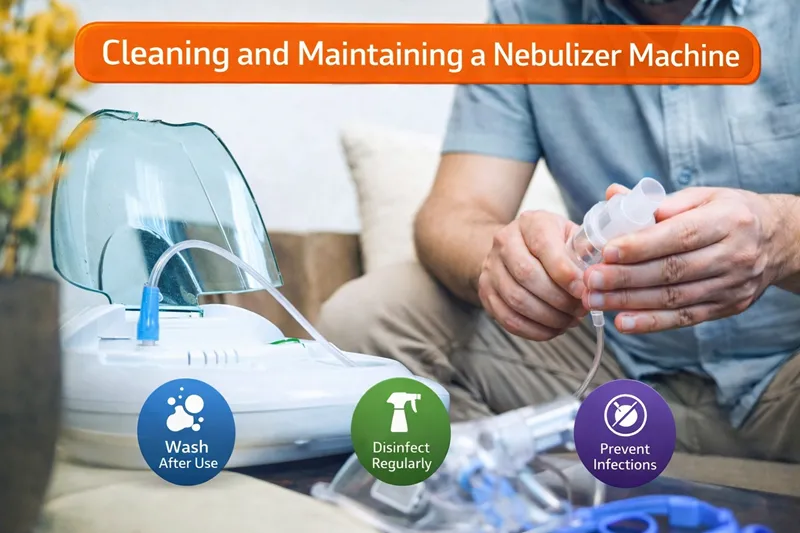
A Complete Home-Care Guide for Safe, Hygienic &
Long-Lasting Nebulizer Use
In Indian households, where dust levels, humidity, and air
pollution are high, nebulizers are especially vulnerable to contamination if
not maintained hygienically. Many patients unknowingly reuse dirty masks,
medicine cups, and tubing, which can introduce harmful germs directly into the
lungs during therapy. This defeats the entire purpose of nebulization and can
worsen respiratory conditions instead of improving them.
At Aarogyaa Bharat - Live Healthy, Live Better, we regularly
guide families on how to clean and maintain nebulizer machines correctly to
ensure safe, effective, and long-term respiratory care. In this detailed guide,
you will learn why nebulizer hygiene is important, how to clean your nebulizer
after every use, how to disinfect it weekly, how to maintain different
nebulizer parts, common mistakes to avoid, and how to extend your nebulizer’s
lifespan for years of reliable performance.
Why Cleaning and Maintaining a Nebulizer Machine Is So
Important
A nebulizer machine works by converting liquid medication
into a fine mist that goes directly into the lungs. This means any bacteria,
Mold, or residue present in the nebulizer components can also be inhaled deep
into the respiratory system. For patients with asthma, COPD, bronchitis, or
weakened lungs, this can trigger severe infections, worsening symptoms, and
even hospitalization.
Over time, leftover medication droplets and moisture
accumulate inside the medicine cup, mask, and tubing. This warm and damp
environment becomes an ideal breeding ground for harmful microorganisms if not
cleaned regularly. Reusing contaminated nebulizer parts can cause throat
infections, chest infections, sinus problems, and prolonged cough.
Proper cleaning also ensures consistent mist output and
medication delivery. Residue buildup can clog the nebulizer jets or mesh
membrane, reducing mist quality and treatment effectiveness. This results in
longer therapy sessions, incomplete medication delivery, and poor symptom
control.
Maintaining a clean nebulizer is not just about hygiene it
is about protecting patient safety, ensuring reliable treatment outcomes, and
extending the lifespan of the medical device. Regular care saves money in the
long run by preventing breakdowns and reducing the need for frequent
replacements.
Parts of a Nebulizer Machine That Need Regular Cleaning
Understanding which nebulizer components require cleaning
helps ensure no part is overlooked. The medicine cup (nebulizer chamber) is the
most critical component because it comes into direct contact with liquid
medication. This part must be cleaned after every use to prevent residue
build-up and bacterial growth.
The mask or mouthpiece also requires daily cleaning because
it touches the face and mouth, making it highly prone to contamination. Facial
oils, saliva, and moisture can accumulate on this accessory, increasing
infection risk if not cleaned properly.
The tubing usually does not require daily washing unless
moisture or medication enters it. However, it should be inspected regularly for
condensation, discoloration, or Mold growth. If moisture is present inside the
tubing, it should be replaced immediately rather than washed.
The compressor unit or electronic body of the nebulizer
should never be washed with water. Instead, it should be wiped externally with
a clean, dry cloth to remove dust. Keeping the compressor clean ensures proper
airflow and long-term device reliability.
How to Clean Your Nebulizer Machine After Every Use
Cleaning your nebulizer after every use is the most
important daily maintenance habit. Start by switching off the nebulizer machine
and unplugging it from the power source. Disassemble all removable parts,
including the medicine cup, mask or mouthpiece, and tubing (if detachable).
Rinse the medicine cup and mask or mouthpiece thoroughly
under warm running water to remove any leftover medication. Use mild liquid
soap to gently wash these parts, ensuring all visible residue is removed. Avoid
using harsh detergents, abrasive scrubbers, or boiling water unless
specifically recommended by the manufacturer.
After washing, rinse all parts thoroughly with clean water
to remove soap residue. Soap particles left behind can irritate the respiratory
tract during the next nebulization session. Shake off excess water and place
the parts on a clean towel or drying rack to air dry completely.
Never wipe nebulizer parts with dirty clothes or tissues, as
this can reintroduce bacteria. Always allow parts to dry naturally in a
dust-free environment before reassembling or storing them.
How to Disinfect Your Nebulizer Weekly
In addition to daily cleaning, weekly disinfection is
essential to kill any remaining germs and ensure complete hygiene. Start by
cleaning all parts as per the daily routine. Once they are visibly clean,
prepare a disinfecting solution using one-part white vinegar and three parts
clean water.
Soak the medicine cup and mask or mouthpiece in this
solution for 20-30 minutes. Vinegar is a natural disinfectant that kills
bacteria and Mold without damaging medical-grade plastic. After soaking, rinse
all parts thoroughly with clean water to remove vinegar residue.
Alternatively, you can use manufacturer-recommended
disinfectants or sterilizing tablets specifically designed for medical
equipment. Always follow the product instructions carefully to avoid damaging
nebulizer components.
After disinfection, allow all parts to air dry completely
before reassembling. Weekly disinfection significantly reduces infection risk
and keeps your nebulizer safe for long-term use.
Cleaning and Maintaining Different Types of Nebulizers
Compressor Nebulizer Maintenance
Compressor nebulizers are the most common type used in
Indian homes. In addition to daily cleaning of removable parts, the air filter
in compressor nebulizers must be checked regularly. A dirty or clogged filter
reduces airflow and mist output quality.
Most manufacturers recommend replacing the air filter every
3-6 months or sooner if it becomes visibly dirty or discoloured. Never wash and
reuse disposable filters unless explicitly stated in the user manual.
The compressor unit should be wiped externally with a clean,
dry cloth to remove dust. Ensure that air vents remain unobstructed to prevent
overheating and maintain proper airflow.
Ultrasonic Nebulizer Maintenance
Ultrasonic nebulizers require careful handling because of
their sensitive electronic components. Daily cleaning of the medicine cup and
mask remains the same as with compressor nebulizers.
However, ultrasonic models often have water reservoirs that
must be emptied and dried after each use. Leaving water inside the reservoir
can lead to Mold growth and mineral build-up, which reduces device performance.
Always follow the manufacturer’s cleaning instructions for
ultrasonic nebulizers, as improper cleaning methods can damage internal
components and void the warranty.
Mesh Nebulizer Maintenance
Mesh nebulizers are the most delicate type and require extra
care. The mesh membrane is the heart of the device and can clog easily if not
cleaned properly. After every use, rinse the medication cup with warm water and
run the device with clean saline or distilled water for a few seconds to flush
out any remaining medication.
Avoid touching the mesh membrane with fingers, cotton swabs,
or brushes, as this can damage the microscopic holes. Some manufacturers
provide special cleaning tools or recommend ultrasonic cleaning for mesh
membranes.
Always store mesh nebulizers in their protective case after
drying to prevent dust accumulation and physical damage. Proper maintenance
significantly extends the lifespan of these premium devices.
Common Mistakes to Avoid When Cleaning a Nebulizer
One of the most common mistakes is not cleaning the
nebulizer after every use. Skipping daily cleaning allows bacteria to multiply
rapidly, increasing infection risk. Another frequent error is using harsh
detergents, boiling water, or alcohol-based disinfectants, which can damage
nebulizer components and reduce their lifespan.
Many users also forget to rinse off soap or disinfectant
residue completely. Inhaling leftover chemicals during nebulization can
irritate the lungs and worsen respiratory symptoms.
Another major mistake is washing or soaking the compressor
unit or electronic components in water. This can cause permanent damage and
pose an electrical safety hazard.
Finally, reusing old, cracked, or moldy nebulizer parts is a
serious hygiene risk. Always replace damaged components immediately to maintain
safe therapy conditions.
How Often Should You Replace Nebulizer Parts?
Nebulizer parts wear out over time and should be replaced
periodically to maintain hygiene and performance. The medicine cup and mask or
mouthpiece should typically be replaced every 6-12 months or sooner if they
show signs of cracking, discoloration, or persistent Odor.
Tubing should be replaced immediately if moisture, Mold, or
discoloration is visible inside. Tubing that carries contaminated air can
introduce bacteria into the lungs.
Air filters in compressor nebulizers should be replaced
every 3-6 months or as recommended by the manufacturer. A clogged filter
reduces airflow and mist quality.
Regular replacement of worn-out parts ensures consistent
treatment effectiveness and reduces the risk of infections.
Tips to Extend the Life of Your Nebulizer Machine
- Proper maintenance not only improves hygiene but also extends your nebulizer’s lifespan. Always use only doctor-prescribed medication and avoid using thick or oily solutions unless explicitly approved for nebulization.
- Store the nebulizer in a clean, dust-free container after each use. Avoid exposing it to direct sunlight, extreme heat, or high humidity.
- Handle nebulizer components gently and avoid dropping or bending delicate parts such as mesh membranes. Regular inspection of all components helps identify potential issues early and prevents costly repairs or replacements.
Following these simple habits ensures long-term reliability
and better return on your investment.
Safety Tips When Cleaning and Maintaining a Nebulizer
- Always unplug the nebulizer machine before cleaning any part. Keep electrical cords away from water and wet surfaces to prevent shocks.
- Never mix different cleaning chemicals or disinfectants, as this can create harmful fumes. Stick to mild soap, vinegar solutions, or manufacturer-recommended products.
- Ensure that children do not handle nebulizer cleaning without adult supervision. Improper handling can damage components and compromise hygiene.
- If you notice persistent Odor, discoloration, or poor mist output despite regular cleaning, consult a technician or replace the affected parts immediately.
Final Recommendation by Aarogyaa Bharat
Cleaning and maintaining a nebulizer machine is not optional
it is a critical part of safe and effective respiratory therapy. Daily
cleaning, weekly disinfection, proper storage, and timely replacement of
worn-out parts ensure that your nebulizer remains hygienic, reliable, and
medically effective for years.
At Aarogyaa Bharat - Live Healthy, Live Better, we believe that a nebulizer is not just a medical device it is a long-term health companion for patients with respiratory conditions. Our goal is to help families use nebulizers safely and confidently for long-term respiratory care.