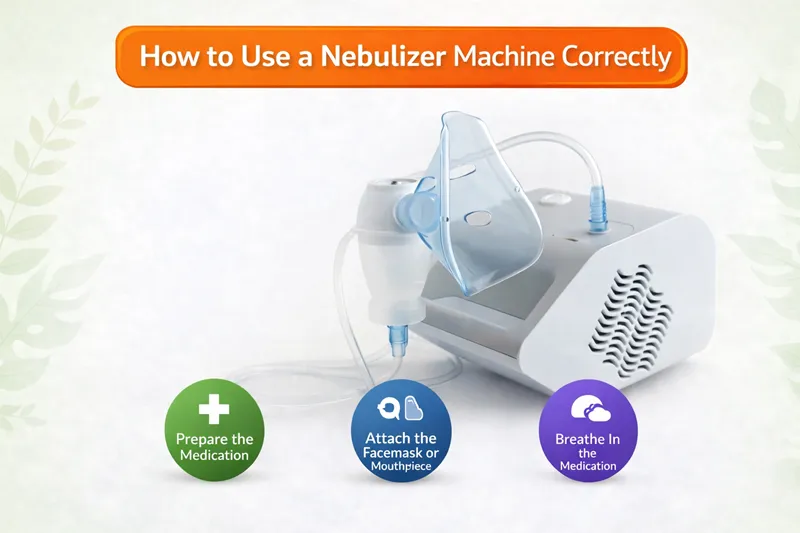
A Complete Step-by-Step Guide for Safe & Effective
Home Nebulization
For patients suffering from asthma, COPD, bronchitis,
pneumonia, allergies, or post-COVID lung weakness, a nebulizer machine for home
use can be a life-saving medical device only if it is used properly and
hygienically.
In India, where air pollution, seasonal infections, and
chronic respiratory diseases are rising rapidly, millions of people now rely on
nebulizers for daily respiratory therapy. However, incorrect usage is one of
the most common reasons for poor symptom control, frequent asthma attacks, and
repeated hospital visits. From not cleaning the nebulizer properly to using the
wrong medication dosage, these errors can turn a helpful device into an
ineffective or unsafe one.
At Aarogyaa Bharat - Live Healthy, Live Better, we regularly
guide families who are confused about how to use a nebulizer machine correctly
at home. In this detailed guide, you will learn what a nebulizer is, how it
works, how to prepare it for use, the exact step-by-step nebulization process,
proper breathing technique, safety precautions, cleaning and maintenance tips,
and common mistakes to avoid. Whether you are a first-time user or a long-term
patient, this guide will help you get the maximum health benefit from your
nebulizer machine.
What Is a Nebulizer Machine and How Does It Work?
A nebulizer machine is a medical device that converts liquid
medication into a fine aerosol mist that can be inhaled directly into the
lungs. This mist travels deep into the respiratory tract, delivering medication
precisely where it is needed to reduce inflammation, relax airway muscles,
loosen mucus, and improve airflow. Doctors commonly prescribe nebulizers for
asthma, COPD, bronchitis, pneumonia, bronchiolitis, allergic reactions, and
post-COVID lung recovery.
Nebulizers work using one of three technologies: compressor
(air-driven), ultrasonic (sound-wave driven), or mesh (vibrating membrane).
Regardless of the type, all nebulizers follow the same basic principle turning
liquid medicine into inhalable mist. The mist is delivered through a mask or
mouthpiece, which the patient inhales slowly and continuously over several
minutes.
One of the biggest advantages of nebulizers is that they
require no special breathing technique. Unlike inhalers, which demand precise
coordination and strong inhalation, nebulizers allow patients to breathe
normally during therapy. This makes them ideal for children, elderly patients,
bedridden individuals, and people experiencing severe breathlessness.
In Indian homes, nebulizers have become increasingly popular
due to rising pollution levels, viral infections, and post-COVID respiratory
complications. Understanding how nebulizers work helps users appreciate why
correct setup, usage, and cleaning are critical for safe and effective therapy.
Who Should Use a Nebulizer Machine?
Nebulizers are commonly prescribed for a wide range of
respiratory conditions affecting both children and adults. Asthma patients use
nebulizers during acute attacks or when inhalers fail to provide adequate
relief. COPD patients benefit from regular nebulization to keep airways open
and reduce chronic mucus build-up, especially during flare-ups.
Post-COVID patients often experience lingering
breathlessness, chest tightness, and reduced lung capacity. Doctors frequently
recommend nebulizers for saline therapy and bronchodilator medications to
support lung recovery and improve oxygen flow. This has significantly increased
nebulizer usage in Indian households after the COVID-19 pandemic.
Children with bronchiolitis, recurrent chest infections, or
wheezing disorders benefit greatly from nebulizers because they can inhale
medicine effortlessly through a paediatric mask. Elderly patients with weak
lungs, arthritis, or coordination difficulties also find nebulizers easier to
use than inhalers.
Even patients with sinus congestion, allergic rhinitis, and
nasal blockage may be advised saline nebulization to improve nasal airflow and
breathing comfort. In such cases, a nebulizer becomes a versatile home-care
tool for both upper and lower respiratory conditions.
Step 1: Preparing Your Nebulizer Machine for Use
Before starting nebulization, proper preparation is
essential to ensure safe and effective medication delivery. Always begin by
washing your hands thoroughly with soap and water to prevent introducing
bacteria into the nebulizer components. Place the nebulizer on a clean, flat,
and stable surface away from dust, water, and direct sunlight.
Next, check that all nebulizer parts are clean and
completely dry. Inspect the medication cup, tubing, mask, and mouthpiece for
any cracks, discoloration, or Mold build-up. Damaged parts should be replaced
immediately to avoid infections and ensure proper mist formation. Never use a
nebulizer with broken or contaminated components.
Ensure that you are using only doctor-prescribed medication
and the correct dosage. Do not mix medicines unless your doctor has
specifically instructed you to do so. Measure the medication carefully using
the provided dropper or syringe to avoid underdosing or overdosing.
Once the medication is ready, pour it into the nebulizer cup
and securely close the lid. Attach the tubing to the compressor unit and
connect the other end to the medication cup. Finally, fix the mask or
mouthpiece firmly to the cup to complete the setup.
Step 2: Positioning the Patient Correctly
Correct positioning plays a crucial role in effective
nebulization. The patient should always sit upright in a comfortable chair or
bed with back support. This posture allows the lungs to expand fully, enabling
deeper mist penetration and better medication absorption. Avoid lying flat
during nebulization, as this can reduce airflow and treatment effectiveness.
For infants and toddlers, hold the child in an upright
position on your lap and gently secure the mask over their nose and mouth. Make
sure the mask fits snugly but comfortably to prevent mist leakage. Crying or
excessive movement can reduce medication delivery, so try to calm the child
with toys, cartoons, or gentle talking.
For elderly or bedridden patients, elevate the upper body
using pillows or an adjustable hospital bed. Ensure that the mask or mouthpiece
is positioned correctly and that the patient is breathing comfortably.
Supervision is essential, especially for first-time users and patients with
severe breathlessness.
Proper positioning not only improves treatment effectiveness
but also reduces the risk of dizziness, choking, or discomfort during
nebulization.
Step 3: Starting the Nebulization Process
Once the nebulizer is fully assembled and the patient is
positioned correctly, it is time to start the nebulization process. Plug in the
compressor unit or switch on the battery-powered nebulizer. You should see a
fine mist coming out of the mask or mouthpiece within a few seconds. If no mist
appears, check the tubing connections and medication cup lid.
Place the mask over the patient’s nose and mouth or instruct
them to hold the mouthpiece firmly between their lips. Encourage slow, normal
breathing throughout the session. There is no need for deep or forced
inhalation, as the mist will naturally enter the lungs with regular breathing.
Avoid talking, laughing, or moving excessively during
therapy, as this can disrupt mist delivery. Most nebulization sessions last
between 5 and 15 minutes depending on the medication volume and nebulizer type.
The session is complete when the medication cup becomes empty and mist output
stops.
If the patient experiences dizziness, chest tightness,
severe coughing, or increased breathlessness during therapy, stop immediately
and consult a doctor. Never force a patient to continue nebulization if they
appear distressed or uncomfortable.
Step 4: Breathing Technique During Nebulization
Although nebulizers do not require complex breathing
techniques, proper breathing still improves medication delivery and treatment
effectiveness. Patients should breathe slowly and deeply through the mouth if
using a mouthpiece or through both the nose and mouth if using a mask. Holding
the breath for 2-3 seconds after each inhalation can help the medication settle
deeper into the lungs.
For children, normal relaxed breathing is sufficient. Do not
force them to take deep breaths, as this can cause coughing or anxiety. Keeping
the child calm and distracted with cartoons or toys often improves therapy
compliance and effectiveness.
For adults and elderly patients, gentle deep breathing can
enhance lung penetration, especially for lower airway conditions such as COPD
or pneumonia. However, breathing should always remain comfortable and natural
without strain.
Maintaining correct breathing technique throughout the
session ensures that the medication reaches the deepest parts of the lungs and
delivers maximum therapeutic benefit.
Step 5: Completing the Session Safely
Once the medication cup becomes empty and mist output stops,
switch off the nebulizer machine and disconnect the tubing from the compressor
unit. Remove the mask or mouthpiece gently and allow the patient to rest for a
few minutes. Drinking a small amount of water after therapy can help soothe the
throat and remove any residual medication taste.
For patients using steroid medications, it is important to
rinse the mouth and gargle with water after nebulization to prevent oral thrush
and throat irritation. This step is especially important for children and
elderly patients who are more susceptible to fungal infections.
Record the therapy time and medication dosage if you are
maintaining a treatment log. This helps track therapy frequency and ensures
proper adherence to the doctor’s prescription. Consistent record-keeping is
particularly useful for chronic respiratory patients.
Proper session completion ensures patient comfort, reduces
side effects, and prepares the nebulizer for safe cleaning and storage.
Cleaning and Maintaining Your Nebulizer Machine
Proper cleaning is essential to prevent bacterial growth and
ensure safe nebulization. After every use, disassemble the medication cup,
mask, and mouthpiece. Wash them with warm water and mild soap, then rinse
thoroughly and allow them to air dry completely. Never wipe nebulizer parts
with dirty clothes or tissues.
Once a week, disinfect the nebulizer parts using a
vinegar-water solution or a manufacturer-recommended disinfectant. Soak the
parts for 20-30 minutes, rinse with clean water, and air dry. Never wash the
compressor unit or electronic components with water, as this can cause
permanent damage.
Replace air filters periodically according to the
manufacturer’s instructions. Clogged or dirty filters reduce airflow and mist
quality, making nebulization less effective. Regular maintenance not only
extends the nebulizer’s lifespan but also ensures consistent treatment quality.
Store the nebulizer in a clean, dust-free container after
drying. Keeping it covered protects it from contamination and mechanical
damage.
Common Mistakes to Avoid When Using a Nebulizer
- One of the most common mistakes is not cleaning the nebulizer properly after each use. This can lead to bacterial growth and respiratory infections. Another frequent error is using expired or incorrect medication, which reduces treatment effectiveness and can cause adverse reactions.
- Many patients also tilt the medication cup during therapy, which disrupts mist formation and results in uneven medication delivery. Talking or laughing during nebulization is another mistake that reduces medication absorption.
- Skipping mouth rinsing after steroid therapy is a major cause of oral thrush and throat irritation. Patients should also avoid sharing nebulizer masks or mouthpieces between users, as this spreads infections.
- Being aware of these common mistakes helps ensure safe, effective, and hygienic nebulization therapy at home.
Safety Tips When Using a Nebulizer Machine at Home
- Always use only doctor-prescribed medication and never mix medicines without medical advice. Ensure that children use nebulizers under adult supervision at all times. Never leave an infant or toddler alone during nebulization therapy.
- Avoid using the nebulizer near open flames, smoking areas, or water sources. Keep electrical cords away from wet surfaces and curious hands. Make sure the nebulizer is placed on a stable, flat surface during operation.
- If the patient experiences severe side effects such as chest pain, rapid heartbeat, extreme dizziness, or worsening breathlessness, stop therapy immediately and seek medical attention.
Following these safety guidelines ensures a smooth,
risk-free nebulization experience and protects the patient’s respiratory
health.
Conclusion
Using a nebulizer machine correctly can dramatically improve
treatment effectiveness and patient comfort. Proper preparation, correct
positioning, gentle breathing technique, and thorough cleaning are the four
pillars of safe and effective nebulization therapy.
At Aarogyaa Bharat, we believe that a nebulizer is not just
a medical device it is a critical home-care companion for patients with
respiratory conditions. Our goal is to help families use nebulizers safely and
confidently for long-term respiratory care.