Why Comfort Matters in Daily Toileting Support
Toileting is not a one-time activity but a recurring daily
necessity, sometimes required several times a day and night. For elderly
individuals, patients with neurological conditions, spinal injuries, arthritis,
or post-surgical weakness, sitting on a hard surface repeatedly can cause
discomfort, pain, and reluctance to use the chair. Over time, this discomfort
may lead to delayed toileting, increased caregiver stress, and even medical
issues such as constipation, urinary retention, or skin irritation. A cushioned
seat distributes body weight more evenly, reduces localized pressure on the
hips and thighs, and allows users to sit comfortably for longer durations
without strain. This comfort directly improves compliance, confidence, and
emotional ease during toileting routines.
What Is a Commode Chair with Cushion Seat
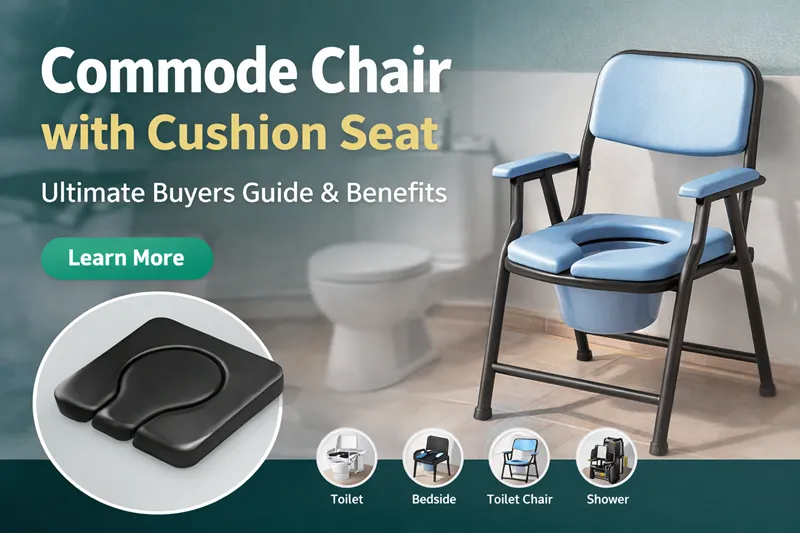
A commode chair with a cushion seat is a portable toilet
chair that combines standard commode functionality with an added layer of soft
padding on the seat surface. The cushion is typically made from high-density
foam or medical-grade padding covered with waterproof, easy-to-clean material.
While the structure of the chair includes a sturdy frame, armrests, backrest,
and removable waste bucket, the cushioned seat enhances comfort without
compromising hygiene or safety. High-quality cushioned commode chairs are
designed so that the padding does not absorb moisture, does not deform quickly,
and remains supportive even with regular use, making them suitable for
long-term home care.
Who Benefits Most from Cushioned Commode Chairs
Cushioned commode chairs are particularly beneficial for
elderly individuals, bedridden patients, spinal injury patients, stroke
survivors, Parkinson’s patients, arthritis sufferers, and people recovering
from surgery. These users often have sensitive skin, reduced muscle mass, poor
circulation, or joint pain that makes hard seating uncomfortable. Patients who
need assistance and may take longer during toileting also benefit greatly from
cushioned seating, as it prevents discomfort during prolonged sitting. For
caregivers, cushioned commode chairs reduce patient resistance and anxiety,
making daily care routines smoother and less stressful.
Role of Cushioned Commode Chairs in Elderly Home Care
As people age, natural loss of muscle padding, reduced
circulation, and fragile skin increase sensitivity to pressure and hard
surfaces. Elderly users may complain of pain, numbness, or cold sensations when
sitting on standard plastic commode seats. A cushioned commode chair addresses
these issues by providing warmth, softness, and pressure relief, allowing
elderly individuals to sit comfortably without fear or discomfort. This comfort
encourages independence, reduces fear of toileting, and improves overall
quality of life, especially for seniors living at home with limited mobility.
Importance of Cushion Seats in Chronic Illness and
Long-Term Care
Chronic illness often requires months or years of ongoing
support, during which comfort becomes a major determinant of care quality.
Patients with neurological disorders, cancer, respiratory disease, or chronic
weakness may spend extended time sitting during toileting. A cushioned commode
chair reduces fatigue, prevents pressure-related discomfort, and supports
better posture during use. Over time, this comfort helps prevent skin
breakdown, reduces emotional distress, and supports a more humane and sustainable
caregiving environment in long-term home care settings.
Post-Surgery Recovery and the Need for Cushioned Seating
After surgeries such as hip replacement, knee replacement,
spinal surgery, or fracture repair, patients are extremely sensitive to
pressure, posture, and joint alignment. Sitting on a hard commode seat can
cause pain and strain healing areas. A cushioned commode chair provides gentle
support that absorbs shock, reduces pressure on surgical sites, and allows
patients to toilet without fear of pain. This added comfort supports smoother
recovery, improves patient cooperation, and reduces the risk of sudden movements
that could compromise surgical outcomes.
Key Features of a Commode Chair with Cushion Seat
|
Feature |
Purpose |
Practical
Benefit |
|
Cushioned
Seat Padding |
Reduces
pressure |
Enhanced
comfort |
|
Waterproof
Covering |
Prevents
moisture absorption |
Hygiene and
durability |
|
Removable
Cushion |
Easy cleaning |
Infection
control |
|
Sturdy Frame |
Supports body
weight |
Safety |
|
Armrests and
Backrest |
Transfer
support |
Reduced fall
risk |
Comfort vs Hygiene: Addressing Common Concerns
Some families worry that cushioned seats may compromise
hygiene compared to hard plastic seats. However, modern cushioned commode
chairs are designed with waterproof, non-absorbent materials that can be easily
wiped and disinfected. Removable cushions allow thorough cleaning and drying,
maintaining hygiene standards while providing comfort. When cleaned regularly,
cushioned commode chairs are just as hygienic as standard models, with the
added advantage of improved user comfort and acceptance.
Steel vs Plastic Cushioned Commode Chairs
|
Feature |
Steel
Cushioned Commode Chair |
Plastic
Cushioned Commode Chair |
|
Structural
strength |
Very high |
Moderate |
|
Stability |
Excellent |
Good |
|
Weight
capacity |
High |
Limited |
|
Cushion
durability |
Long-term |
Short-term |
|
Best suited
for |
Elderly and
chronic care |
Temporary
recovery |
Placement and Use of Cushioned Commode Chairs at Home
A cushioned commode chair should be placed on a flat, stable
surface with adequate lighting and privacy. Positioning it close to the bed
reduces walking distance and fall risk. The cushion should be checked regularly
for dryness and cleanliness. Proper placement ensures that both safety and
comfort benefits are fully realized during daily use.
Maintenance and Cleaning of Cushioned Commode Chairs
Maintaining a cushioned commode chair involves regular
cleaning of both the cushion and the chair frame. The cushion should be wiped
after every use and disinfected daily. Covers should be checked for cracks or
wear to ensure waterproof integrity. Proper maintenance extends the lifespan of
the cushion, preserves hygiene, and ensures consistent comfort over long-term
use.
Reducing Caregiver Stress Through Improved Patient
Comfort
When patients are comfortable, they are less anxious, less
resistant, and more cooperative during toileting. Cushioned commode chairs
reduce complaints, sudden movements, and emotional distress, making caregiving
easier and safer. This reduces caregiver fatigue, improves routine efficiency,
and contributes to a calmer home care environment, especially during long-term
care situations.
Why Aarogyaa Bharat Recommends Cushioned Commode Chairs
Aarogyaa Bharat understands that effective home healthcare
is not only about safety but also about comfort and dignity. Our cushioned
commode chairs are selected to meet Indian home-care needs, balancing hygiene,
durability, comfort, and caregiver convenience. By offering well-designed
cushioned solutions, Aarogyaa Bharat supports families in providing
compassionate, sustainable, and dignified care at home.
Conclusion
A commode chair with a cushion seat is a vital upgrade for
anyone requiring regular toileting support at home. By reducing pressure,
improving comfort, and enhancing sitting tolerance, cushioned commode chairs
significantly improve the daily experience of elderly individuals, chronically
ill patients, and those recovering from surgery. Comfort directly impacts
dignity, compliance, and emotional well-being, making cushioned seating an
essential feature rather than a luxury. Aarogyaa Bharat remains committed to
delivering home healthcare solutions that combine safety, comfort, and
practicality, ensuring that patients and caregivers experience care that truly
supports quality of life.