What Is an Electric Hospital Bed?
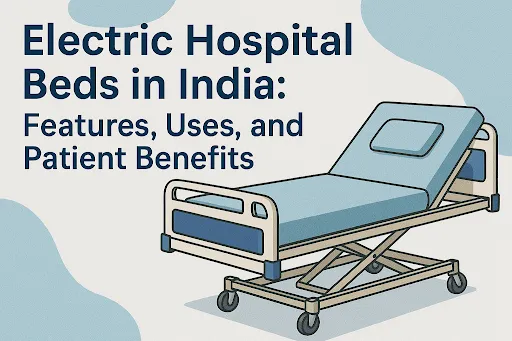
An electric hospital bed is a medically designed bed equipped with motorized movement. Instead of manual cranks, it allows users or caregivers to adjust bed settings using a remote or side panel. Some models provide basic backrest adjustments, while advanced beds offer full-body positioning and height control.
People use electric beds at home for:
Elderly care
Post-operative recovery
Paralysis or stroke patients
Long-term spinal injuries
Respiratory or cardiac conditions
Mobility restrictions due to chronic illness
These beds reduce strain on caregivers and offer better posture support during recovery or rest.
Key Features of Electric Beds
Electric beds vary in features depending on the model, but most include the following:
Adjustable Backrest
The head section can be raised and lowered to support activities like eating, reading, or breathing comfortably.
Leg and Knee Positioning
Some electric beds allow elevation of the knee area to improve circulation and reduce swelling.
Height Adjustment
In many beds, the entire bed height can be adjusted. This helps with transfer, caregiving, and fall prevention.
Remote or Panel Control
A simple control system allows quick adjustments without physical effort.
Side Rails
Foldable or detachable side rails help prevent accidental falls, especially for elderly or unconscious patients.
Wheels with Locks
Beds usually include castor wheels so they can be moved easily from one room to another.
Mattress Support
These beds are compatible with foam, air, or anti-bedsore mattresses based on patient needs.
Types of Electric Hospital Beds
The most common categories in India include:
Semi Electric Beds
These beds combine manual and electric features. For example, the backrest may be electric while the height is manually adjusted. They are more affordable than fully electric beds.
Fully Electric Beds
These allow full adjustment of the backrest, leg rest, and bed height with remote control. They are widely used for long-term patient care and in private hospitals.
ICU-Grade Electric Beds
These advanced beds offer multiple positions, Trendelenburg and reverse Trendelenburg adjustment, and additional support features like detachable side panels and emergency controls.
Advantages of Electric Beds
Better Comfort
Patients can adjust their posture without help, improving rest and reducing discomfort caused by lying in the same position for long periods.
Easier Caregiving
Caregivers do not need to manually reposition the patient, which reduces physical strain.
Support During Recovery
Adjustable positions help with breathing, digestion, wound healing, and circulation.
Safety
Side rails and stable frames help prevent falls and support weaker or recovering patients.
Convenient for Home Care
Families can set up long-term care environments at home more easily with electric beds.
Where Electric Beds Are Commonly Used
Electric hospital beds are used in multiple environments, including:
Private hospitals and specialty clinics
Home healthcare setups
Elderly care and assisted living facilities
Rehabilitation and physiotherapy centres
Post-surgery recovery rooms
Long-term care units
Many families in India now choose to install these beds at home for convenience and better recovery support.
Buying vs. Renting Electric Beds
The decision to buy or rent depends on how long the bed will be used and the patient’s condition.
Renting Works Well For:
Temporary care after surgery or injury
Short-term rehabilitation
Trial use before purchase
Family members visiting from hospitals
Rental providers typically offer monthly plans with delivery, setup, and pickup included.
Buying Makes Sense When:
The patient has a long-term condition
Elderly care is a permanent need
Multiple family members may use it over time
Custom features are preferred
People often compare both options before making a choice based on cost and duration.
Price of Electric Hospital Beds in India
Costs vary based on features, build quality, and brand.
Buying Cost (Approximate Range):
Basic Semi Electric Bed: ₹30,000 - ₹50,000
Full Electric Bed: ₹45,000 - ₹1,20,000
ICU-Grade Electric Bed: ₹1,00,000 - ₹3,00,000+
Rental Cost (Approximate Monthly Range):
Semi Electric Bed: ₹4,000 - ₹7,000
Full Electric Bed: ₹5,000 - ₹12,000
Mattresses and accessories may cost extra depending on the provider.
Factors to Consider Before Choosing an Electric Bed
Patient mobility level
Doctor’s advice or medical condition
Duration of use (short-term or long-term)
Space available at home
Mattress requirements
Side rails and safety needs
Budget and rental availability
Maintenance and support services
Families also check if the bed fits through doors and hallways during delivery.
FAQs About Electric Hospital Beds
1. Are electric hospital beds suitable for home use?
Yes, they are widely used in Indian homes for elderly and long-term patients who need adjustable rest and support.
2. Do these beds require constant electricity?
They need power only during adjustment. Once set in position, they do not consume electricity.
3. Can patients operate the remote themselves?
If they are physically able, many patients use the remote independently. Otherwise, caregivers use it for them.
4. Are electric beds difficult to install at home?
Most models are delivered and assembled by suppliers. Setup is usually quick, and instructions are provided.
5. What type of mattress should be used?
Medical-grade foam or air mattresses are common. Anti-bedsore options are used when the patient lies down for long hours.
6. Is renting an electric bed common in India?
Yes, many people rent electric beds for short-term needs to avoid large upfront costs.
Conclusion
Electric hospital beds provide comfort, safety, and convenience for both patients and caregivers. They are especially useful for elderly individuals, those recovering after surgery, and people with mobility limitations. With options to buy or rent based on duration and budget, families can choose a model that fits their needs. As home healthcare continues to grow in India, electric beds are becoming a practical solution for long-term and short-term care.