Emergency care operates under extreme pressure, unpredictability, and time sensitivity. Unlike routine clinical environments, emergency settings demand equipment that is instantly deployable, highly reliable, and capable of performing consistently under stress. Emergency medical products are specifically engineered to meet these demands, ensuring that doctors, nurses, paramedics, and first responders can act decisively when outcomes depend on speed and accuracy.
As healthcare systems expand and emergency response protocols become more structured, emergency medical products have evolved from basic first aid supplies into advanced life-support ecosystems. Modern emergency care now relies on a combination of consumables, monitoring systems, resuscitation equipment, and portable life-support devices that collectively form the backbone of emergency medical infrastructure.
Critical Importance of Emergency Medical Products in Life-Threatening Situations
In emergency medicine, the first few minutes following an incident are often referred to as the “golden minutes.” During this period, rapid intervention significantly improves survival rates and reduces long-term complications. Emergency medical products are designed to support immediate action during these crucial moments.
These products assist in maintaining airway, breathing, and circulation the foundational priorities of emergency care. Oxygen delivery systems, defibrillators, suction units, emergency ventilators, and intravenous access devices allow clinicians to stabilize patients before definitive treatment is provided. Without these tools, even highly skilled medical professionals would be limited in their ability to deliver effective care.
Emergency medical products also enable early pain management, bleeding control, immobilization, and monitoring, all of which prevent deterioration during transport or while awaiting advanced treatment.
Role of Emergency Medical Products Across the Continuum of Care
Emergency medical products support care across the entire emergency response continuum from the incident site to definitive hospital treatment.
Pre-Hospital Emergency Care
In pre-hospital settings, paramedics and first responders rely on portable, rugged emergency medical products to provide immediate care. Ambulances are equipped with essential life-saving tools that allow patient stabilization during transport. This early intervention plays a decisive role in patient outcomes once hospital care begins.
Emergency Departments and Trauma Centers
Within hospitals, emergency departments depend on advanced emergency medical products to manage high patient volumes efficiently. These products support rapid triage, continuous monitoring, resuscitation, and immediate treatment initiation.
Intensive and Critical Care Units
Emergency medical products are also critical in ICUs, where patients require ongoing life support and close monitoring. Equipment used in emergency situations often transitions seamlessly into critical care environments, ensuring continuity of treatment.
Types of Emergency Medical Products Used in Healthcare
Emergency medical products encompass a wide spectrum of equipment and consumables designed for varying levels of urgency and complexity.
Basic Emergency Medical Products
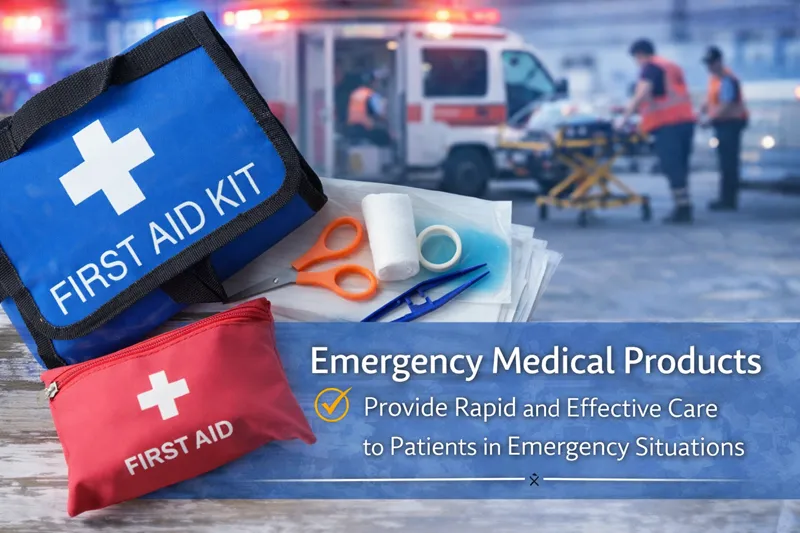
These include first aid kits, bandages, wound dressings, bleeding control products, splints, cervical collars, and basic airway management tools. They are essential for immediate response and initial stabilization.
Advanced Life Support Equipment
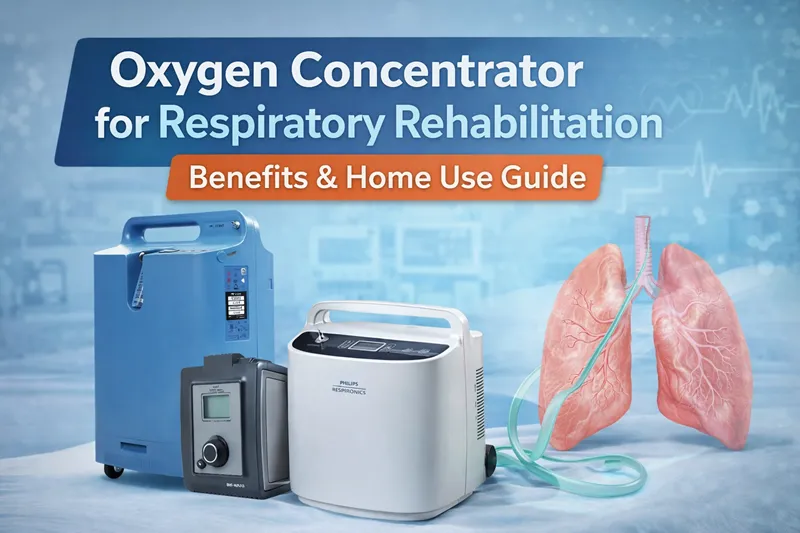
Advanced emergency medical products include defibrillators, patient monitors, infusion pumps, oxygen concentrators, ventilators, suction devices, and advanced airway management systems. These tools are used by trained professionals to manage life-threatening conditions.
Transport and Immobilization Equipment
Stretchers, wheelchairs, spinal boards, vacuum mattresses, and transfer aids ensure safe patient movement while preventing further injury.
Emergency Diagnostic and Monitoring Devices
Portable monitors, Pulse oximeter , ECG machines, and rapid diagnostic tools support real-time clinical decision-making during emergencies.
Speed, Reliability, and Readiness: Core Requirements of Emergency Products
Emergency medical products must function flawlessly under extreme conditions. Speed and reliability are non-negotiable because any delay or malfunction can compromise patient survival.
High-quality emergency products are designed for:
-
Immediate deployment with minimal setup
-
Intuitive operation under stress
-
Continuous performance during prolonged use
-
Durability in harsh environments
These characteristics allow healthcare professionals to focus on patient care rather than equipment limitations. Reliable emergency products also reduce clinical stress and improve team coordination during critical events.
Emergency Medical Products in Ambulances and Mobile Response Units
Ambulances serve as mobile emergency care units, and the equipment inside them must support rapid intervention in unpredictable environments. Emergency medical products used in ambulances are designed to be compact, lightweight, and durable.
These products enable life-saving care during transport, ensuring that patients remain stable until they reach advanced medical facilities. Strong pre-hospital emergency infrastructure has been shown to significantly reduce mortality and complication rates.
Emergency Medical Products in Hospitals and Large-Scale Emergencies
Hospitals rely on emergency medical products to manage both routine emergencies and mass casualty incidents. During disasters, accidents, or outbreaks, emergency equipment must support surge capacity and rapid patient turnover.
Emergency medical products enable:
-
Efficient triage and prioritization
-
Simultaneous management of multiple patients
-
Coordination between emergency, surgical, radiology, and ICU teams
Well-equipped emergency departments are essential for resilient healthcare systems capable of handling unexpected crises.
Quality, Compliance, and Training in Emergency Medical Products
The effectiveness of emergency medical products depends on quality, regulatory compliance, and proper usage. Equipment must meet strict safety and performance standards to ensure reliability during critical situations.
Equally important is staff training. Regular drills, simulations, and hands-on training ensure that healthcare professionals can operate emergency equipment confidently under pressure. High-quality products combined with skilled teams form the foundation of effective emergency care.
Role of Aarogyaa Bharat in Strengthening Emergency Care Infrastructure
Aarogyaa Bharat plays a vital role in supporting emergency preparedness by enabling access to reliable and quality-assured emergency medical products. The platform focuses on sourcing products from verified manufacturers that meet clinical, safety, and regulatory requirements.
By simplifying procurement and ensuring consistent availability, Aarogyaa Bharat helps hospitals, emergency departments, and healthcare institutions maintain readiness for critical situations. This structured sourcing approach supports uninterrupted emergency response and long-term healthcare resilience.
Future of Emergency Medical Products
The future of emergency medical products is driven by innovation, digital integration, and faster response capabilities. Smart monitoring systems, portable life-support devices, and connected emergency equipment are transforming how emergency care is delivered.
Advancements in technology are enabling:
-
Faster diagnosis
-
Improved coordination between care teams
-
Enhanced patient monitoring
-
Better outcomes through data-driven decisions
As healthcare systems prioritize emergency preparedness and disaster response, the demand for advanced and reliable emergency medical products will continue to grow.
Conclusion
Emergency medical products provide rapid and effective care to patients in emergency situations by enabling immediate intervention, stabilization, and life support when it matters most. From pre-hospital care to emergency rooms and intensive care units, these products form the backbone of emergency healthcare delivery.
Their reliability, speed, and precision directly impact survival rates, recovery outcomes, and overall healthcare system resilience. Investing in high-quality emergency medical products is therefore essential for hospitals and healthcare providers committed to delivering safe, responsive, and life-saving care.