A Complete Guide for Families, Caregivers & Recovery at Home
Why Home Care Medical Equipment Is Important
Home care has become increasingly popular in India due to:
- Rising
hospital costs
- Longer
recovery periods after surgery
- Preference
for elderly patients to stay at home
- Availability
of compact, affordable medical devices
With proper equipment, many patients can safely recover at
home without frequent hospital admissions.
Benefits of using medical equipment at home:
- Faster
recovery in a familiar environment
- Reduced
risk of hospital-acquired infections
- Greater
comfort and emotional well-being
- Lower
long-term healthcare costs
- Improved
independence for patients
Categories of Essential Medical Equipment for Home Care
Home care equipment generally falls into these categories:
- Mobility
support
- Respiratory
support
- Patient
comfort & positioning
- Monitoring
& diagnostics
- Hygiene
& toileting assistance
- Safety
& daily living aids
Let’s explore each category in detail.
1. Wheelchair – The Foundation of Home Mobility
A wheelchair is one of the most essential pieces of
equipment for patients with limited mobility. It allows movement within the
home, access to bathrooms, and safe transportation for hospital visits.
Who needs a wheelchair?
- Elderly
individuals with reduced walking ability
- Post-surgery
patients (orthopedic, spinal, neurological)
- Stroke
patients
- People
with fractures or temporary mobility issues
Common wheelchair types:
- Manual
wheelchair: Self-propelled or caregiver-pushed
- Foldable
wheelchair: Easy to store and transport
- Transit
wheelchair: Lightweight, caregiver-controlled
- Commode
wheelchair: Combines mobility with toilet access
Pro tip: For short-term recovery, renting a
wheelchair is often more economical than buying.
2. Hospital Bed for Home Use – Comfort Meets Care
A hospital bed significantly improves patient comfort and
caregiver efficiency, especially for those who are bedridden or have limited
movement.
Benefits of a hospital bed at home:
- Adjustable
back and leg positions
- Easier
feeding, breathing, and sleeping
- Reduced
risk of bedsores
- Safer
transfers in and out of bed
Types of hospital beds:
- Manual
hospital bed: Hand-crank adjustments
- Semi-Fowler
bed: Backrest elevation
- Electric
hospital bed: Fully motorized control
Hospital beds are especially useful for long-term care,
paralysis, post-ICU recovery, and elderly patients.
3. Oxygen Concentrator – Essential Respiratory Support
For patients with breathing difficulties, an oxygen
concentrator can be life-saving.
Who requires oxygen support?
- COPD
patients
- Asthma
patients
- Post-COVID
recovery patients
- Cardiac
or lung disease patients
Why oxygen concentrators are preferred over cylinders:
- No
refilling required
- Continuous
oxygen supply
- Safer
for indoor use
- Lower
long-term cost
Most home-use concentrators deliver 5 - 10 LPM oxygen,
suitable for long-term therapy under medical guidance.
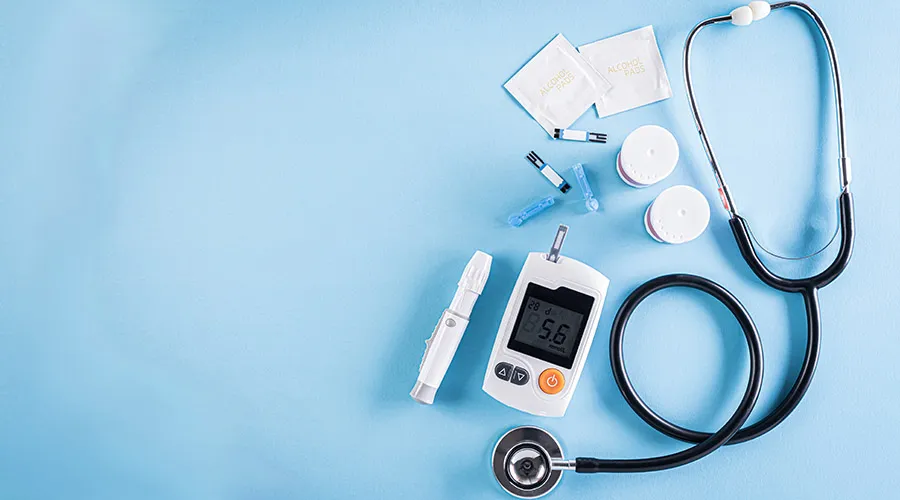
4. BP Monitor & Vital Monitoring Devices
Regular monitoring helps prevent emergencies and allows
doctors to adjust treatment remotely.
Essential monitoring devices:
- Digital
BP monitor: Tracks blood pressure trends
- Pulse
oximeter: Measures oxygen saturation (SpO₂)
- Thermometer:
Detects fever or infection
These devices are small, affordable, and critical for
chronic patients, elderly individuals, and cardiac patients.
5. Nebulizer – Respiratory Relief at Home
Nebulizers convert liquid medication into mist, making it
easier to inhale - especially for elderly patients and children.
Common uses:
- Asthma
- Bronchitis
- COPD
- Seasonal
respiratory infections
Unlike inhalers, nebulizers do not require breath
coordination, making them ideal for home care.
6. Commode Chair & Toilet Support Equipment
Bathroom movement is one of the biggest challenges in home
care.
Commode chairs help:
- Reduce
fall risk
- Maintain
dignity
- Avoid
painful trips to the bathroom
- Support
bedside toileting
Types available:
- Bedside
commode chair
- Commode
wheelchair
- Foldable
commode chair
These are especially helpful for post-surgery patients,
elderly individuals, and those with fractures.
7. Patient Transfer & Mobility Aids
For patients who can partially walk but need support,
mobility aids provide confidence and safety.
Common mobility aids:
- Walkers
(fixed or wheeled)
- Walking
sticks
- Transfer
belts
These tools reduce caregiver strain and encourage patient
independence during recovery.
8. Anti-Bedsore Mattress – Preventing Pressure Injuries
Bedridden patients are at high risk of pressure ulcers.
Anti-bedsore mattresses:
- Distribute
body weight evenly
- Improve
blood circulation
- Reduce
skin breakdown
- Increase
comfort during long bed rest
They are essential for paralysis, ICU recovery, and
long-term bedridden patients.
9. Suction Machine – Airway Management at Home
Suction machines help clear mucus, saliva, or fluids from
the airway.
Used for:
- Tracheostomy
patients
- Neurological
disorders
- ICU
discharge cases
Portable suction machines are compact and suitable for home
use with basic caregiver training.
10. Daily Living & Safety Aids
Small safety aids can prevent major accidents.
Common safety equipment:
- Bed
side rails
- Bathroom
grab bars
- Non-slip
mats
- Adjustable
over-bed tables
These accessories enhance safety and make daily routines
easier for both patients and caregivers.
Buy or Rent? Making the Right Decision
Rent equipment if:
- Usage
is temporary (post-surgery, injury)
- You
want lower upfront cost
- Storage
space is limited
Buy equipment if:
- Long-term
or permanent care is required
- Daily
use over several months or years
- Personal
hygiene concerns
Aarogyaa Bharat supports both rental and purchase options,
allowing families to choose what suits them best.
Tips for Choosing Medical Equipment for Home Care
- Always
consult a doctor before selecting equipment
- Measure
room size and doorways
- Prioritize
patient comfort and safety
- Choose
easy-to-clean materials
- Ensure
availability of service and support
Why Choose Aarogyaa Bharat for Home Care Medical
Equipment?
At Aarogyaa Bharat, we understand that home care is not just
medical - it’s personal.
What we offer:
- Verified,
high-quality medical equipment
- Home
delivery across India
- Rental
and purchase options
- Expert
guidance for equipment selection
- Transparent
pricing and after-sales support
Our mission is to make recovery at home safe, comfortable, and stress-free.
Conclusion
Home care can dramatically improve recovery, comfort, and
quality of life - when supported by the right medical equipment. Whether you’re
caring for an elderly parent, helping someone recover from surgery, or managing
a chronic condition, investing in proper home care tools is essential.
With the right guidance and support, home truly becomes the best place to heal.