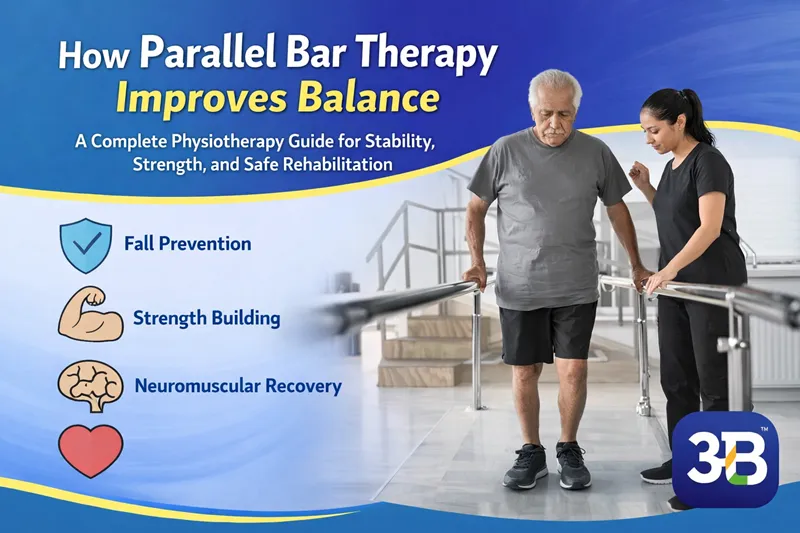
Understanding Parallel Bar Therapy in Physiotherapy Rehabilitation
Parallel bar therapy forms the foundation of many physiotherapy programs because it provides a stable and structured environment where patients can relearn essential movement patterns that may have been affected by injury, surgery, or neurological conditions, allowing therapists to guide exercises such as assisted walking, posture correction, and weight-shifting drills while closely monitoring alignment and muscle activation, which helps prevent incorrect movement habits and reduces strain on joints, and as patients progress through different stages of rehabilitation the adjustable support of the bars enables gradual reduction of assistance, encouraging natural walking mechanics and improving coordination between upper and lower body movements while building the confidence needed to perform everyday activities safely and independently.
Why Balance Training Is Critical for Safe and Effective Recovery
Balance training is a vital component of rehabilitation because maintaining stability requires coordinated interaction between muscles, joints, sensory feedback, and the nervous system, and when this coordination is disrupted by stroke, joint replacement surgery, spinal injuries, or prolonged bed rest patients often struggle with posture control and fear of movement, which is why parallel bars provide a controlled environment where individuals can focus on rebuilding stability through repetitive exercises that strengthen stabilizing muscles, enhance proprioception, and improve weight distribution, while the presence of strong physical support reduces anxiety and allows patients to challenge their limits gradually, resulting in improved walking confidence, reduced fall risk, and faster recovery of functional mobility.
How Parallel Bar Therapy Enhances Neuromuscular Coordination and Control
Parallel bar therapy plays a significant role in neuromuscular retraining by encouraging repetitive and guided movement patterns that help restore communication between the brain and muscles, allowing patients to regain coordination, rhythm, and balance awareness while therapists provide verbal cues and hands-on assistance to correct posture and foot placement, creating a multi-sensory rehabilitation environment that accelerates recovery for individuals with neurological disorders or post-operative weakness, and over time consistent practice within the secure support of the bars helps the nervous system form new pathways that improve movement efficiency, resulting in smoother walking patterns, better balance control, and increased independence in daily activities.
Table: Common Balance Training Exercises Performed Using Parallel Bars
| Exercise | Purpose | Balance Benefit | Ideal For |
|---|---|---|---|
| Assisted Walking | Controlled gait training | Improves walking stability | Stroke recovery |
| Weight Shifting | Body weight transfer | Enhances postural control | Elderly patients |
| Heel-to-Toe Walking | Narrow gait practice | Improves dynamic balance | Neuro rehab |
| Mini Squats | Strength training | Builds core stability | Post-surgery recovery |
| Side Stepping | Lateral movement | Strengthens hip balance | Spinal injury rehab |
Building Physical Strength and Endurance Through Parallel Bar Therapy
Regular practice within parallel bars helps patients develop lower body strength, endurance, and core stability by allowing them to perform progressive exercises such as stepping drills, standing holds, controlled lunges, and balance challenges in a safe environment, and as muscle strength improves therapists gradually increase exercise intensity to enhance joint flexibility and overall mobility while ensuring that movements remain aligned and safe, which is especially beneficial for individuals recovering from knee or hip surgery, neurological weakness, or long-term inactivity, as the combination of strength training and balance exercises reduces fatigue during daily activities and enables patients to transition more confidently toward independent walking.
Psychological Benefits of Parallel Bar Therapy During Rehabilitation
The psychological impact of parallel bar therapy is often underestimated, yet it plays a crucial role in recovery because many patients experience fear and anxiety after falls, surgeries, or prolonged illness, and the secure support offered by parallel bars creates a sense of safety that encourages patients to attempt movements they might otherwise avoid, allowing them to achieve small but meaningful milestones that gradually rebuild confidence and motivation, while positive reinforcement from therapists and visible progress during exercises contributes to improved mental well-being, reduced stress, and a more optimistic outlook toward rehabilitation, which ultimately enhances participation in therapy sessions and accelerates overall recovery outcomes.
Table: Benefits of Parallel Bar Therapy Across Different Rehabilitation Conditions
| Condition | Balance Challenge | Role of Parallel Bars | Expected Improvement |
|---|---|---|---|
| Stroke Rehabilitation | Uneven weight distribution | Guided walking drills | Better coordination |
| Knee Replacement | Weak leg stability | Supported standing exercises | Improved strength |
| Elderly Fall Risk | Fear of falling | Safe balance training environment | Increased confidence |
| Spinal Injury | Muscle weakness | Controlled weight-bearing training | Posture improvement |
| Parkinson’s Disease | Movement instability | Repetitive gait exercises | Enhanced walking control |
Parallel Bars for Home Physiotherapy and Clinical Rehabilitation Use
Parallel bars are widely used not only in professional physiotherapy clinics but also in home rehabilitation setups because adjustable designs allow patients to continue structured therapy exercises outside hospital environments while maintaining safety and stability, and families managing long-term care often prefer parallel bars because they provide a dedicated space for daily balance training without requiring complex equipment, while therapists value their versatility in clinical settings as they allow hands-on support, posture correction, and progressive exercise planning tailored to individual patient needs, making parallel bars one of the most reliable tools for improving balance and mobility across various rehabilitation programs.
Safety Guidelines for Using Parallel Bars in Balance Therapy
To maximize the benefits of parallel bar therapy, patients should begin exercises under professional supervision, maintain proper posture while gripping the bars, wear non-slip footwear, and perform movements slowly with controlled breathing to ensure muscle engagement and prevent strain, while therapists should adjust bar height and exercise intensity according to patient progress, gradually reducing reliance on the bars as balance improves, ensuring that rehabilitation remains safe and effective while supporting long-term independence and confidence in mobility.
Conclusion
Parallel bar therapy remains one of the most effective and trusted physiotherapy methods for improving balance because it combines physical support, structured movement training, and neuromuscular rehabilitation in a safe and controlled environment that allows patients to rebuild strength and stability at their own pace, and whether used in hospitals, rehabilitation centers, or home-care settings parallel bars provide a strong foundation for progressive mobility training that helps individuals transition from assisted movement to independent walking, ultimately improving quality of life by reducing fall risk, enhancing physical confidence, and supporting long-term recovery.
Aarogyaa Bharat brings trusted physiotherapy solutions and high-quality rehabilitation equipment to your home, helping patients regain balance, strength, and independence with confidence.