Why It’s Crucial to Be Prepared
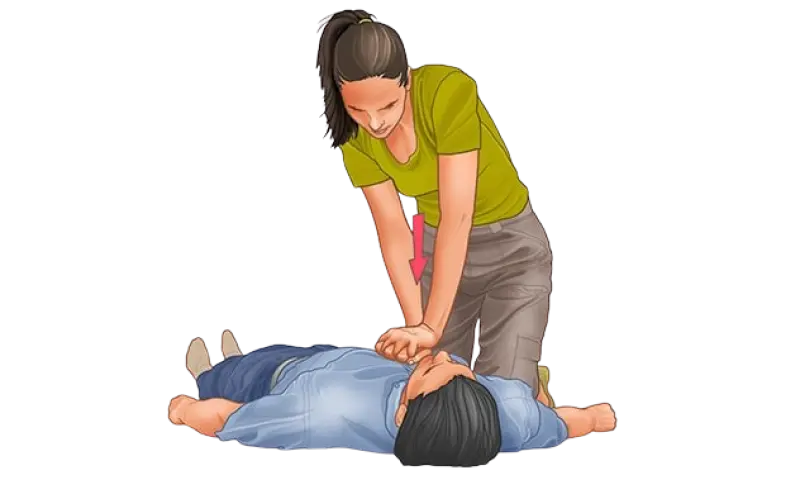
Emergencies don’t wait. Ambulances can take time, and panic only makes situations worse. That’s why having a basic understanding of what to do during a health emergency at home—like giving CPR, controlling bleeding, or responding to a stroke—can be the difference between life and death.
1. Call for Help Immediately
The first rule of any medical emergency: don’t hesitate to call emergency services (Dial 108 in India or 112 in some regions). Even if you’re unsure of the severity, it’s better to have professionals on the way while you stabilize the situation.
2. Know the Basics of First Aid
a) Heart Attack or Chest Pain
Symptoms: Crushing chest pain, sweating, shortness of breath, nausea.
What to Do:
Keep the person calm and seated.
If available, give them an aspirin (unless allergic).
Loosen tight clothing.
Do not give food or water.
Call emergency services immediately.
b) Choking
What to Do:
Ask if the person can talk or cough.
If they can’t breathe, perform the Heimlich maneuver (abdominal thrusts).
For children or infants, use back blows and chest thrusts.
 c) Fainting or Unconsciousness
What to Do:
Lay the person flat and raise their legs.
Check breathing and pulse.
If they don’t respond and aren’t breathing, begin CPR.
Do not try to give water or food until they regain full consciousness.
 d) Bleeding or Deep Cuts
What to Do:
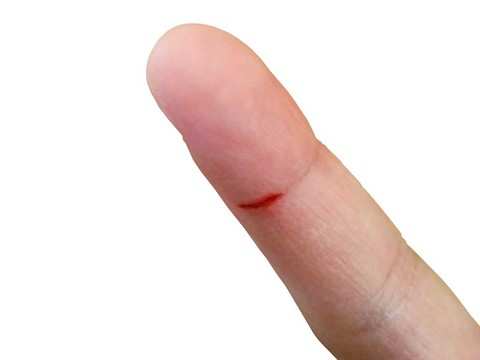
Apply direct pressure with a clean cloth to stop the bleeding.
Elevate the injured area if possible.
Do not remove deeply embedded objects—let professionals handle it.
 e) Burns and Scalds
What to Do:
Cool the area under running water for 10–20 minutes.
Do not apply ice, butter, or toothpaste.
Cover with a clean, non-stick cloth.
Seek medical attention for larger or deep burns.
f) Stroke
Remember FAST:
Face drooping
Arm weakness
Speech difficulty
Time to call emergency services
What to Do: Keep the person calm and note the time symptoms started.
 3. Keep a First Aid Kit at Home
Your kit should include:
Sterile gauze and bandages
Antiseptic solution or wipes
Burn ointment
Pain relievers
CPR mask
Thermometer
Medical gloves
Emergency contact numbers
 4. Learn Basic CPR
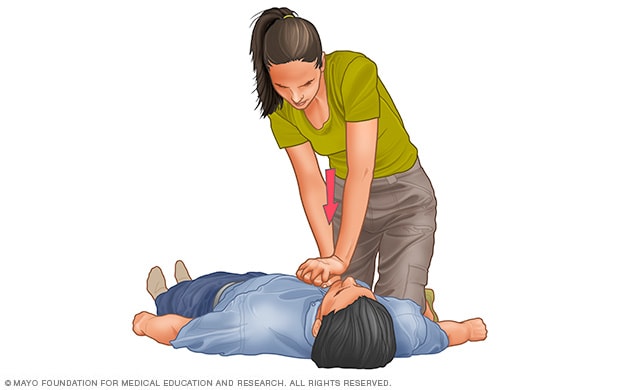
Knowing Cardiopulmonary Resuscitation (CPR) can be life-saving, especially if someone stops breathing or their heart stops beating. You can learn this through online videos or take a certified first aid course. Push hard and fast in the center of the chest at a rhythm of about 100–120 beats per minute (like the beat of the song “Stayin’ Alive”).
5. Stay Calm and Keep Others Focused
In the middle of a crisis, your calmness will help others stay focused. Speak clearly, give instructions, and avoid creating chaos. Assign someone to call for help, someone to look after kids, and someone to assist with the injured person.
6. Don’t Rely Only on Google in a Crisis
Yes, we’re all used to “Googling” symptoms—but during emergencies, there’s no time for research. The right steps must be taken immediately. That’s why training and preparation matter.
7. Know When to Wait and When to Act
Not every situation calls for immediate action. For example, in case of a seizure, do not try to restrain the person. Simply clear the area and let the episode pass. Acting wrongly can sometimes do more harm than good—so stay informed and aware.
Conclusion: Being Ready Can Save a Life
You don’t need to be a doctor to make a difference during a medical emergency at home. By knowing the basics of first aid and being mentally prepared to act fast, you can provide vital support until professional help arrives. Whether it’s your child, parent, partner, or neighbor—your knowledge could be their lifeline.
Bonus Tip: Download and print an emergency response chart for your home. Keep it near your first aid kit or on the fridge.
Stay prepared. Stay safe. Save lives.
For more home healthcare tips and emergency essentials, visit Aarogyaa Bharat.