Introduction :
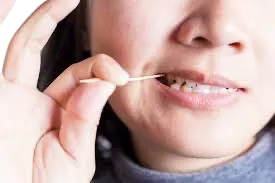
Toothpicks have long been used as a quick fix to remove food stuck between teeth. They’re found in restaurants, at home, and even in pockets. But while they may offer momentary relief, using toothpicks regularly can do more harm than good. The question is not whether they work — it’s whether they’re safe for your gums. The answer? Not really.
Why People Use Toothpicks
Toothpicks are often seen as a handy tool for:
Removing stuck food particles
Freshening breath after a meal
Keeping the mouth feeling clean
But despite their popularity, dental experts are warning against regular use of toothpicks — especially wooden ones — for oral hygiene.
How Toothpicks Hurt Your Gums
1. Cause Micro Tears and Bleeding
Toothpicks, especially when used aggressively, can pierce the delicate gum tissue, leading to small cuts or tears. These injuries may seem minor but can invite bacteria and infections.
2. Lead to Gum Recession
Frequent toothpick use can gradually wear down gum tissue. This causes gum recession, where the gums pull away from the teeth, exposing the root and increasing sensitivity and decay risk.
3. Widen Gaps Between Teeth
Toothpicks can damage the interdental papilla — the part of the gum that fits between teeth. Over time, this can lead to larger gaps and make your teeth look uneven or misaligned.
4. Push Food Deeper
Instead of removing food particles, a toothpick can push debris deeper into the gum line, worsening the situation and potentially causing gum inflammation or abscesses.
5. Risk of Tooth or Enamel Damage
Some people press hard with toothpicks, unknowingly scratching enamel or even loosening dental work like fillings or crowns.
Toothpick vs Dental Floss: Which Is Better?
When it comes to interdental cleaning, there’s no contest — dental floss is safer and more effective than toothpicks.
| Feature | Toothpick | Dental Floss |
|---|---|---|
| Safety | Can injure gums | Safe when used correctly |
| Effectiveness | Limited removal of plaque | Removes plaque and debris effectively |
| Risk of infection | High | Low |
| Dentist recommended | Rarely | Always |
If you care about gum health, make flossing or using interdental brushes a part of your daily routine.
Healthier Alternatives to Toothpicks
If you’re using toothpicks as a daily habit, here are safer and dentist-approved alternatives:
Waxed Dental Floss
Flosser picks (plastic with built-in floss)
Interdental brushes
Water flossers
Mouthwash for rinsing after meals
These tools are gentle on the gums and help maintain oral hygiene without damaging soft tissues.
When to Stop Using Toothpicks Immediately
Stop using toothpicks and consult a dentist if you notice:
Bleeding gums
Swelling or redness near gum line
Gum pain while eating
Food getting stuck frequently in the same spot
These may be signs of gingivitis, gum disease, or tooth damage, and improper use of toothpicks can worsen them.
Tips for Healthy Gum Care
To maintain strong, healthy gums:
Brush twice a day with a soft-bristled brush
Floss daily
Visit a dentist every 6 months
Avoid smoking or tobacco
Use antibacterial mouthwash if needed
And most importantly, avoid poking your gums with toothpicks.
FAQs: Toothpicks and Gum Health
1. Can toothpicks damage your gums?
Yes, toothpicks can cause gum injuries, lead to bleeding, and even cause gum recession with regular use.
2. What are the symptoms of gum damage from toothpicks?
Symptoms include sensitivity, pain, swelling, and bleeding in the gum area where the toothpick is used.
3. What is the best alternative to toothpicks?
Dental floss, interdental brushes, and water flossers are the safest and most effective alternatives for cleaning between teeth.
4. Is it okay to use toothpicks occasionally?
Using a toothpick gently and occasionally may not cause harm, but it should not replace regular dental care.
5. Can toothpicks cause infections?
Yes. Small injuries from toothpicks can become entry points for bacteria, leading to gum infections or abscesses.
Final Thoughts: Are Toothpicks Safe for Gums?
Toothpicks may be convenient, but they are not the best choice for dental hygiene. From gum injury and infections to tooth damage, the risks are not worth the habit. If you care about your smile and long-term oral health, switch to safer alternatives like floss or interdental brushes.