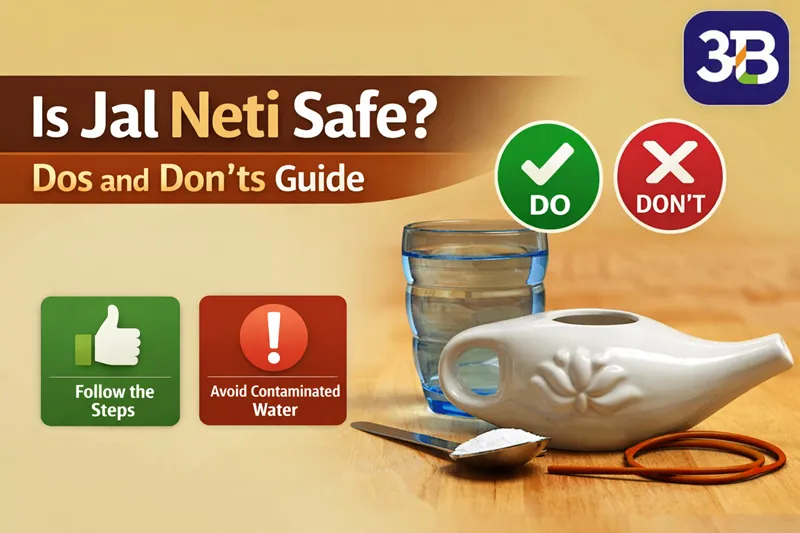
Understanding Jal Neti Safety in Modern Nasal Hygiene
Jal Neti is often described as a simple wellness ritual, yet
it involves direct interaction with sensitive nasal tissues, making safety
awareness extremely important. The nasal cavity is lined with delicate mucous
membranes that help filter air and protect the respiratory system. When saline
solution flows through these passages, it helps remove accumulated dust,
allergens, and mucus, but improper technique may disrupt the natural balance of
the nasal lining. Aarogyaa Bharat emphasizes that Jal Neti is generally safe
for most healthy individuals when practiced gently, with clean water and proper
saline concentration. The key to safety lies not in the tool itself but in how
consistently users follow hygiene protocols, maintain correct posture, and
avoid overuse.
Why Correct Technique Matters for Jal Neti Safety
The safety of Jal Neti largely depends on how the practice
is performed. Gentle flow allows saline to cleanse the nasal cavity without
causing pressure changes that might affect the ears or throat. Many beginners
mistakenly squeeze the bottle too hard or tilt the head incorrectly, which can
lead to discomfort or water entering unintended areas. Proper body positioning
ensures that saline flows naturally through gravity rather than force. Aarogyaa
Bharat highlights that learning the correct method gradually and practicing in
a relaxed environment reduces anxiety and improves safety outcomes over time.
The Science Behind Saline Solution and Nasal Health
A balanced saline solution mimics the body’s natural fluid
composition, which helps maintain moisture without irritating nasal tissues.
Using overly concentrated salt mixtures may cause burning sensations, while
plain water without salt may feel uncomfortable due to osmotic imbalance. The
saline solution supports the natural movement of cilia, the tiny hair-like
structures responsible for clearing mucus from the nasal passages. Aarogyaa
Bharat explains that maintaining this balance is one of the most important
safety principles in Jal Neti practice, as it allows the nasal lining to remain
hydrated and functional.
Table: Jal Neti Safety Dos
|
Safety
Practice |
Why It’s
Important |
Wellness
Benefit |
Daily Tip |
|
Use filtered
or boiled water |
Prevents
contamination |
Safer nasal
cleansing |
Always cool
before use |
|
Maintain
lukewarm temperature |
Avoids
irritation |
Comfortable
rinse |
Test on wrist |
|
Practice
gentle pressure |
Protects
nasal lining |
Smooth flow |
Avoid
forceful squeeze |
|
Clean bottle
after use |
Maintains
hygiene |
Reduces
infection risk |
Air dry fully |
Dos of Jal Neti Practice for Safe Daily Use
Safe Jal Neti practice begins with preparation and
mindfulness. Always prepare fresh saline solution using clean water and
non-iodized salt. Begin slowly, especially during the first few sessions, to
allow the body to adapt to the sensation of water flowing through the nasal
passages. Lean forward slightly and breathe through the mouth while rinsing to
maintain relaxation. After completing the rinse, gently blow the nose and allow
excess water to drain naturally. Aarogyaa Bharat advises maintaining consistency
rather than increasing frequency abruptly, as gradual adaptation helps prevent
dryness or irritation.
Don’ts of Jal Neti Practice That Protect Nasal Health
Certain habits can compromise the safety of Jal Neti if
ignored. Avoid using untreated tap water because it may contain microorganisms
unsuitable for nasal contact. Extremely hot or cold water should also be
avoided because temperature shock can irritate the nasal lining. Performing Jal
Neti immediately before lying down may allow residual water to remain in the
sinuses, causing discomfort. Aarogyaa Bharat strongly advises avoiding
aggressive squeezing of the bottle or performing the practice when nasal passages
are severely blocked or painful.
Table: Jal Neti Safety Don’ts
|
Mistake to
Avoid |
Possible
Issue |
Safer
Alternative |
Expert Tip |
|
Using raw tap
water |
Infection
risk |
Boiled and
cooled water |
Always filter
first |
|
Excess
pressure while squeezing |
Ear
discomfort |
Gentle flow |
Practice
slowly |
|
Overuse daily
without need |
Nasal dryness |
Moderate
frequency |
Listen to
body signals |
|
Sharing
bottles |
Hygiene risk |
Personal
bottle only |
Label your
device |
Who Should Be Careful Before Practicing Jal Neti
While Jal Neti is safe for most healthy individuals, certain
groups should consult healthcare professionals before starting. People with
chronic ear infections, severe sinus infections, or recent nasal surgery may
require medical guidance. Children should practice only under adult supervision
to ensure proper technique and hygiene. Aarogyaa Bharat recommends that
individuals with persistent nasal pain or bleeding avoid nasal rinsing until
evaluated by a healthcare professional.
Frequency Guidelines: How Often Is Jal Neti Safe?
Daily nasal cleansing can be beneficial in polluted
environments or during allergy seasons, but overuse may disturb natural mucus
balance. For general wellness, practicing a few times per week is often
sufficient, while daily use may be suitable for individuals exposed to heavy
pollution. Aarogyaa Bharat encourages users to observe how their nasal passages
respond and adjust frequency accordingly, maintaining a balance between
cleanliness and natural protection.
Hygiene Practices That Enhance Jal Neti Safety
Cleaning the Jal Neti bottle after every use is essential
for preventing bacterial growth. Rinse thoroughly with warm water and mild
soap, then allow the bottle to air dry completely before storing it. Avoid
storing the bottle in damp or closed containers, as moisture encourages
microbial build up. Aarogyaa Bharat highlights that proper hygiene is one of the
most effective ways to ensure long-term safety during nasal cleansing routines.
Emotional and Lifestyle Benefits of Safe Nasal Cleansing
When practiced correctly, Jal Neti may help users feel
refreshed and relaxed by improving airflow and reducing nasal irritation. Clear
breathing supports mindfulness practices such as meditation and pranayama,
helping individuals maintain mental calmness. Aarogyaa Bharat believes that
safe nasal hygiene routines contribute to a sense of self-care and overall
wellness, especially for people living in fast-paced urban environments.
Common Misconceptions About Jal Neti Safety
Some people assume Jal Neti is risky because it involves
water entering the nose, but when performed correctly with proper saline
solution, it is generally considered safe. Others believe it should be
practiced aggressively to achieve results, which can actually cause discomfort.
Aarogyaa Bharat explains that the effectiveness of Jal Neti lies in gentle,
consistent practice rather than forceful rinsing.
Conclusion
Jal Neti can be a safe and effective method of nasal
cleansing when practiced with proper technique, hygiene, and awareness of
personal comfort. Understanding the dos and don’ts ensures that users enjoy the
benefits of clearer breathing and improved sinus hygiene without unnecessary
risk. Aarogyaa Bharat encourages individuals to approach Jal Neti as a mindful
wellness practice that combines traditional yogic wisdom with modern safety
standards, helping families maintain healthier breathing habits in everyday
life.