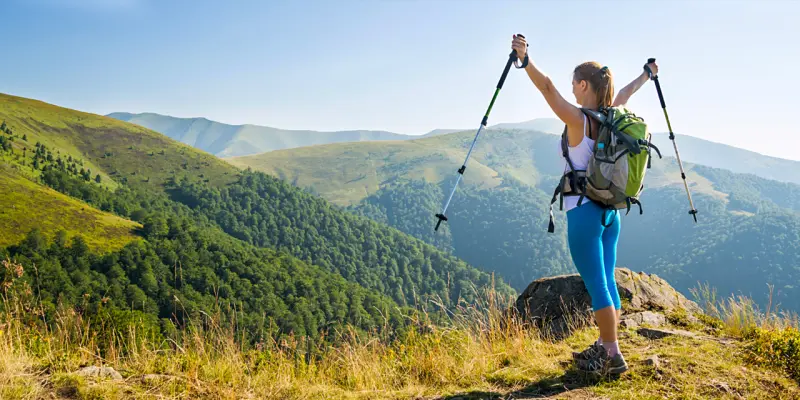
Introduction: The Call of the Hills
Monsoon and mountains—it’s a combination that excites every trekker’s soul. The greenery, misty paths, and the sound of waterfalls luring you deeper into nature… it’s a season of magic. From short hikes to multi-day treks, the rainy season is when trails come alive.
But while the idea of trekking in the monsoon is tempting, your health needs just as much planning as your backpack. Because as you climb those scenic peaks and descend to forested valleys, your body experiences dramatic temperature shifts, humidity changes, and strain on muscles.
Let’s break down what this means and how you can stay safe and healthy while chasing those monsoon trails.
Monsoon Adventures: Beauty with a Hidden Challenge
As soon as the monsoon hits, trekking and hiking see a surge. Popular trails in the Western Ghats, Himachal, Uttarakhand, and the North-East bustle with enthusiasts.
But what many don't realize is that hiking in rain isn’t the same as hiking in spring. Monsoon introduces:
Sudden temperature drops at higher altitudes
Heavy humidity at base camps or forests
Wet clothes that sap body heat
Slippery paths risking injuries
Weakened immunity due to damp conditions
These environmental challenges can strain your respiratory system, immunity, skin, and joints if not addressed early.
What Happens to Your Body During a Monsoon Trek?
Rapid Temperature Fluctuations
You start at a warmer, humid base and end up in cold, windy peaks. This puts stress on your lungs, especially if you're already prone to asthma or sinusitis.Damp Clothes & Skin Infections
Monsoon humidity and sweat can invite fungal infections, rashes, and blisters—particularly in feet and underarms.Fatigue & Muscle Soreness
The strain of slippery trails and long hours of hiking can cause cramps, muscle fatigue, and joint stiffness, especially if you're not properly hydrated or warmed up.Weakened Immunity
A cold gust at the summit can cause chills or even trigger viral infections, especially when the body isn’t covered properly.
Pre-Trek Health Checklist for Monsoon Trekkers
1. Layered Clothing with Quick-Dry Fabrics
Use breathable innerwear, a warm mid-layer, and a waterproof top layer. Avoid cotton—it stays wet and cold. Always carry an extra dry set.
2. Hydrate Even When It’s Not Hot
Because you’re not sweating profusely, dehydration can creep in quietly. Sip water regularly and carry ORS packets or electrolyte drinks.
3. Boost Immunity a Week in Advance
Add Vitamin C, zinc-rich foods, tulsi tea, turmeric milk, and sprouts to your daily diet before your trek. A well-fed immune system is your biggest shield.
4. Train Your Lungs
Practice basic breathing exercises. Pranayama, brisk walking, or short uphill walks can prepare your lungs for altitude shifts.
5. Take Care of Feet & Skin
Apply anti-fungal powder before wearing socks. Let feet breathe at night. Carry a first-aid kit with antiseptic, Dettol wipes, and a soothing lotion.
What to Do on the Trail Itself
Start early. Monsoon trails get slippery by afternoon.
Cover ears and neck. The cool wind at higher altitudes can trigger headaches or stiff shoulders.
Avoid river crossings post heavy rain. It’s not just unsafe—it can shock your body temperature if you fall in.
Listen to your body. Dizziness, stomach cramps, or chills? Pause, rest, and hydrate.
Back from the Trek? Your Health Still Matters
Don’t ignore post-trek care:
Take a warm water bath and rest well.
Eat light, warm, protein-rich food for recovery.
Steam inhalation and saltwater gargles help if you feel throat discomfort.
If fever, cough, or stomach infection persists, consult a doctor early.
Frequently Asked Questions
Q: Is monsoon trekking safe for children and seniors?
Not all trails are suitable. Short, guided treks in low-risk areas can be enjoyable for all ages—if health conditions are taken into account.Q: Should I carry a fitness tracker or oximeter?
If you're trekking above 2500m or have respiratory issues, yes. It helps monitor your heart rate and oxygen saturation.Q: Can I use chest vibrators or muscle massagers post-trek?
Absolutely. Devices like chest vibrators can help ease post-hike tightness and improve circulation, especially if you feel sore.Conclusion: Trek Smart, Stay Healthy
Trekking in the monsoon is one of nature’s purest joys. But adventure should never come at the cost of health. Whether you're a seasoned trekker or trying your first trail this monsoon, a little foresight can go a long way.
Prepare your body like you prepare your gear. Listen to it at every step—because no summit is worth risking your well-being.
For more health-focused travel advice, immunity tips, and monsoon wellness guides, visit aarogyaabharat.com