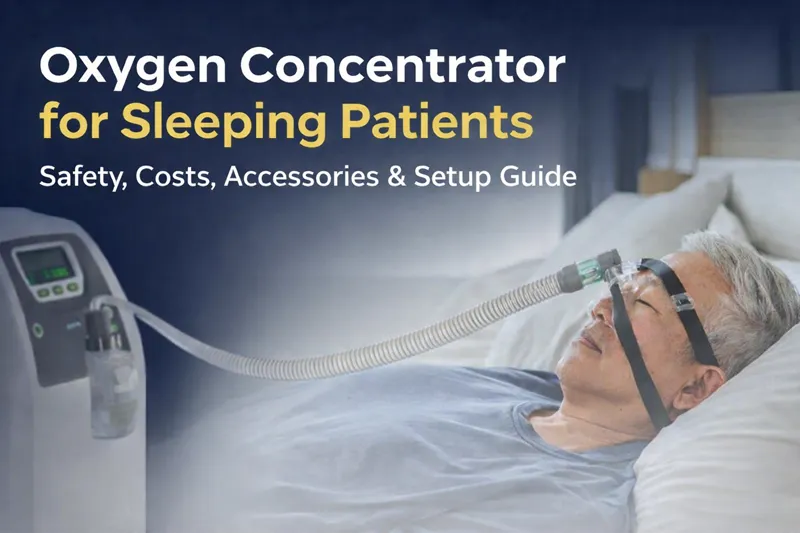
Caregivers start wondering whether it is truly safe to leave an oxygen concentrator running all night, what would happen if the electricity goes off while everyone is asleep, whether the machine noise will disturb rest, and how to handle situations where the nasal cannula might come off if the patient turns in bed. These fears are completely natural because night-time oxygen therapy feels riskier when visibility and supervision are limited. For elderly patients, post-COVID survivors, COPD patients, heart patients, and people with long-term lung disease, oxygen during sleep is not just helpful but often life-preserving, as oxygen levels naturally fall at night even in healthy individuals, and for patients with weakened lungs or compromised heart function, these drops can become severe and dangerous. At Aarogyaa Bharat, we have helped thousands of Indian families build safe, reliable overnight oxygen systems, and based on years of home-care experience, this ultra-detailed guide explains everything you need to know about using an oxygen concentrator for sleeping patients, including how it works, who needs it, which machine is best, how to reduce risks, how to ensure uninterrupted supply, and how to create a peaceful and comfortable night-time oxygen routine at home.
Why Oxygen Levels Drop During Sleep and Why It Matters
During sleep, the human body enters a state of deep relaxation where breathing naturally becomes slower and more shallow, and the muscles that normally keep the airways open also relax, which reduces the volume of air reaching the lungs with each breath. For healthy individuals, the lungs easily compensate for this physiological change, but for people with respiratory or cardiac disease, this nighttime slowdown can cause a dangerous drop in blood oxygen levels that often goes unnoticed because the patient is unconscious at the time. This condition is called nocturnal hypoxemia and is extremely common in patients with COPD, pulmonary fibrosis, obesity hypoventilation syndrome, post-COVID lung damage, heart failure, and sleep apnea, and it can silently damage vital organs over months or years. Repeated nighttime oxygen deprivation increases strain on the heart, worsens memory and concentration, causes morning headaches, increases daytime fatigue, and accelerates the progression of lung and heart disease. In severe cases, untreated nocturnal hypoxia can significantly shorten life expectancy and increase the risk of sudden cardiac events. That is why doctors often prescribe oxygen specifically for night-time use even if the patient does not need oxygen during the day, making night oxygen therapy not a luxury but preventive medicine that protects the brain, heart, kidneys, and overall quality of life.
Is It Safe to Use an Oxygen Concentrator While Sleeping?
Yes, oxygen concentrators are safe for overnight use when prescribed by a doctor and set up properly, and in fact, hospitals worldwide use oxygen concentrators continuously for ICU patients, post-operative patients, and long-term respiratory cases without interruption. However, safety does not come automatically, and it depends on five critical pillars that must all be in place for night-time oxygen therapy to be truly secure. These pillars include correct medical prescription of flow rate and duration, the right type of concentrator that is medical-grade and designed for continuous operation, essential accessories such as humidifiers, soft nasal cannulas, and power backups, proper placement and ventilation of the machine, and routine maintenance and monitoring of both the device and the patient’s oxygen levels. When these conditions are met, oxygen therapy during sleep becomes not only safe but deeply beneficial, as it improves sleep quality, reduces nighttime breathlessness, protects the heart and brain, and helps patients wake up feeling more refreshed and alert. On the other hand, ignoring even one of these pillars can turn oxygen therapy into a risky intervention, which is why families should never treat night-time oxygen support casually or assume that once the machine is switched on, everything will automatically be fine.
Who Commonly Needs Oxygen Support During Sleep
Not all oxygen patients need oxygen all day, but many patients only need it at night when oxygen saturation naturally falls due to slower breathing and reduced airway tone. Doctors often prescribe nocturnal oxygen for patients with chronic obstructive pulmonary disease because their damaged airways cannot efficiently exchange gases during shallow nighttime breathing, and for patients with pulmonary fibrosis or interstitial lung disease whose stiff lung tissues limit oxygen absorption even more during sleep. Post-COVID lung damage has also become a major reason for night-time oxygen therapy in India, as many survivors continue to experience silent hypoxia months after recovery. Heart failure patients are another large group that benefits from overnight oxygen because low oxygen levels at night increase strain on the heart and raise the risk of arrhythmias and cardiac events. Obesity hypoventilation syndrome, severe asthma, neuromuscular disorders, and selected sleep apnea cases also commonly require night-time oxygen, and in terminal or palliative care settings, oxygen during sleep provides comfort and dignity by reducing breathlessness and anxiety. In all of these conditions, night-time oxygen prevents silent organ damage and significantly improves long-term outcomes when used correctly.
Best Type of Oxygen Concentrator for Sleeping Patients
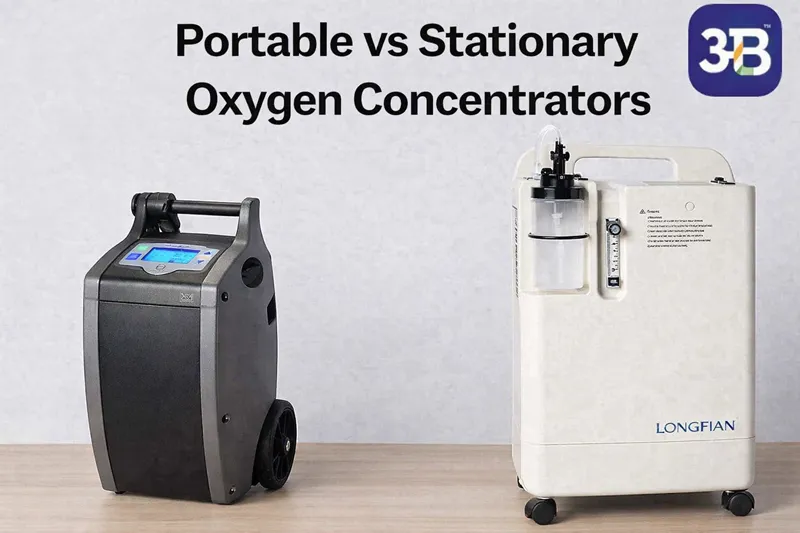
Stationary vs Portable Concentrators – Clinical Comparison
| Feature | Stationary Concentrator | Portable Concentrator |
|---|---|---|
| Designed for 8–24 hr use | Yes | No |
| Oxygen delivery | Continuous Flow | Pulse Dose (mostly) |
| Oxygen purity | 90–95% | 87–93% |
| Noise level | 40–50 dB | 45–60 dB |
| Suitable for night use | Best Choice | Limited Use |
| Power source | AC Power | Battery + AC |
| Risk of interruption | Low | High |
| Ideal patient | Chronic conditions | Travel / backup only |
Stationary oxygen concentrators are the gold standard for overnight oxygen therapy because they are designed for long-hour continuous use and deliver stable oxygen concentration throughout the night without interruption. These machines can run for 8 to 24 hours continuously and maintain oxygen purity levels between 90 and 95 percent, which is essential for patients who depend on consistent oxygen support. They are built with heavy-duty compressors, internal cooling fans, and filtration systems that allow them to operate safely for long durations, making them far more reliable than portable models for night-time use. Another major advantage of stationary concentrators is their low noise level, typically between 40 and 50 decibels, which is similar to a quiet fan or air conditioner hum and does not usually disturb sleep. They also come with built-in safety alarms that alert caregivers if oxygen purity drops, airflow is blocked, or power fails, providing an extra layer of security during the night.
Oxygen Saturation Improvement During Sleep (Graph Section)
Clinical Observation Pattern:
Patients using oxygen therapy during sleep show stable or rising SpO₂ levels, while patients without oxygen experience progressive oxygen drops.
SpO₂ Trend Table
| Hours of Sleep | SpO₂ Without Oxygen (%) | SpO₂ With Oxygen (%) |
|---|---|---|
| 0 Hours | 88 | 92 |
| 2 Hours | 86 | 93 |
| 4 Hours | 85 | 94 |
| 6 Hours | 84 | 95 |
| 8 Hours | 83 | 96 |
Graph Insight Explanation:
This graph clearly demonstrates that patients without oxygen therapy experience steady oxygen decline throughout the night, which increases cardiac strain, cognitive dysfunction risk, and silent organ damage, while patients using oxygen concentrators maintain or improve oxygen saturation, resulting in better sleep quality, lower anxiety, reduced breathlessness, and improved heart, brain, and kidney protection.
Electricity Cost Comparison (India – Monthly)
| Machine Type | Power | Usage | Monthly Units | Approx. Cost |
|---|---|---|---|---|
| 5L Concentrator | 300–600 W | 8 hrs/night | 250–400 | ₹2,000–₹3,200 |
| 10L Concentrator | 600–900 W | 8 hrs/night | 400–700 | ₹3,200–₹5,600 |
| Oxygen Cylinder | Refill Based | N/A | N/A | ₹8,000–₹15,000 |
Essential Accessories for Overnight Oxygen Therapy
| Accessory | Purpose | Replacement |
|---|---|---|
| Humidifier Bottle | Prevents nasal dryness | 3–6 months |
| Soft Nasal Cannula | Comfort during sleep | 7–15 days |
| Long Oxygen Tubing | Free movement | 1–2 months |
| HEPA Filter | Oxygen purity | 6–12 months |
| UPS / Inverter | Power cut safety | 3–5 years |
| Oxygen Cylinder Backup | Emergency | Refill based |
| Pulse Oximeter | SpO₂ monitoring | 2–3 years |
How to Set Up Safely for Sleep
The concentrator must be placed in a well-ventilated area with at least one to two feet of clearance around all air vents to prevent overheating and ensure proper airflow. It should never be placed near curtains, walls, or heat sources, as blocked ventilation can cause the machine to overheat and shut down unexpectedly. Distilled water must always be used in the humidifier bottle to prevent mineral deposits and bacterial growth, and the bottle should be cleaned and refilled daily to maintain hygiene. Oxygen tubing should be secured to prevent tangling or accidental disconnection during sleep, and a surge protector should be used to protect the machine from voltage fluctuations. Before sleeping, caregivers should test all alarm systems, ensure the power backup is fully charged, and keep the backup oxygen cylinder ready.
Conclusion
An oxygen concentrator is safe and life-saving for sleeping patients when prescribed by a doctor, set at the correct flow rate, supported by a reliable power backup, used with a humidifier, maintained properly, and monitored with a pulse oximeter. For patients with respiratory or heart disease, night-time oxygen therapy can extend life, reduce hospitalizations, and dramatically improve quality of life. Aarogyaa Bharat helps families build safe night-time oxygen ecosystems across India.