Why Post-Surgery Home Preparation Is Important
Surgery may be completed in the hospital, but real recovery begins at home. After surgery, the body is weak, healing tissues are fragile, and even simple daily activities can feel overwhelming. Actions like getting out of bed, using the bathroom, walking short distances, or monitoring vital signs may suddenly require assistance.
Without proper preparation, patients often face:
-
Increased risk of falls and injuries
-
Slower or interrupted recovery
-
Unnecessary pain and discomfort
-
Frequent hospital readmissions
-
Over-dependence on caregivers
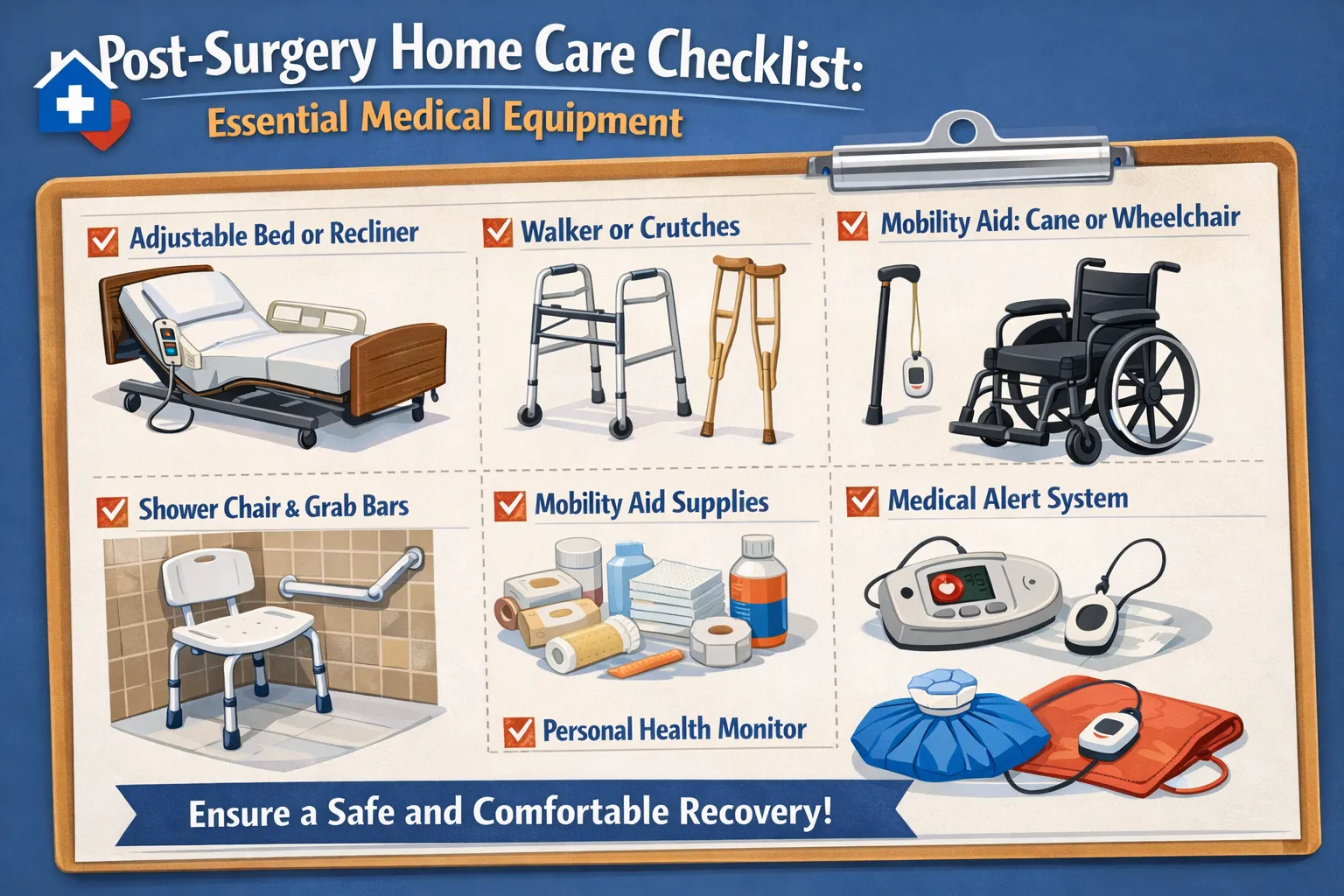
Preparing your home with the right medical equipment creates a safe, supportive environment that encourages independence, reduces complications, and allows the body to heal properly.
Step 1: Mobility Support Equipment
1. Wheelchair
Many patients experience restricted movement after surgeries such as knee replacement, hip surgery, spinal procedures, abdominal operations, or trauma-related surgeries.
A wheelchair is useful because it:
-
Reduces physical strain while moving
-
Prevents falls during early recovery
-
Allows safe movement inside the home
For short-term recovery, renting a wheelchair is often more practical than purchasing one, especially when mobility is expected to improve in a few weeks.
2. Walker or Walking Aid
For patients who can walk but need additional stability, walkers provide excellent support.
Best suited for:
-
Post-orthopaedic surgeries
-
Elderly patients
-
Individuals with balance or muscle weakness
Options include standard walkers, foldable walkers, and walkers with wheels, depending on the patient’s strength and confidence level.
Step 2: Bed and Rest Support
3. Hospital Bed (If Required)
For patients advised prolonged bed rest, a hospital bed can significantly improve comfort and safety at home.
Key benefits include:
-
Adjustable head and leg positions
-
Easier breathing and feeding
-
Reduced physical strain for caregivers
Hospital beds are commonly recommended after major surgeries or for elderly patients with limited mobility.
4. Bedside Rails
Bed rails help prevent accidental falls during sleep and assist patients when sitting up or getting out of bed, especially during nighttime.
Step 3: Bathroom and Hygiene Support
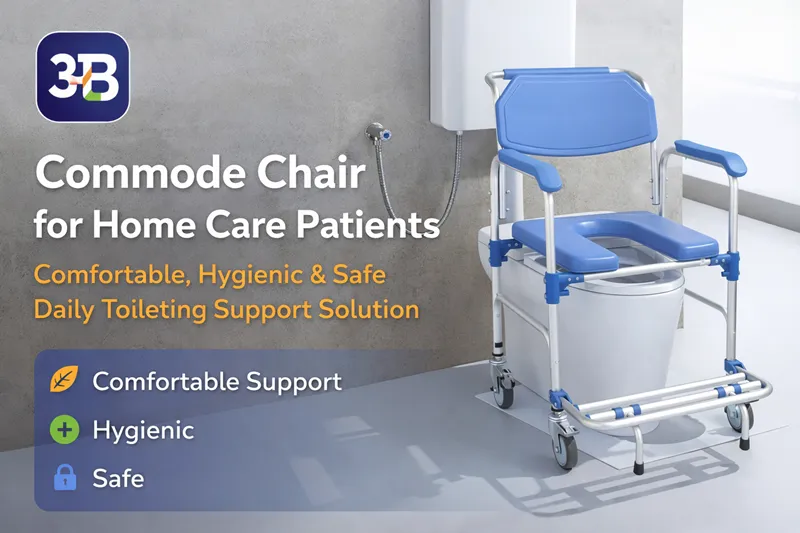
5. Commode Chair or Commode Wheelchair
Using the bathroom safely is one of the biggest challenges after surgery.
A commode chair:
-
Reduces the need to walk to the toilet
-
Minimizes the risk of slips and falls
-
Helps maintain dignity and independence
It is especially useful at night or for patients who cannot reach the bathroom easily.
6. Anti-Slip Bathroom Mats
Wet floors are a major cause of post-surgery falls. Anti-slip mats placed in the bathroom, shower area, and near the bed greatly improve safety.
Step 4: Respiratory and Health Monitoring Equipment
7. Oxygen Concentrator or Oxygen Support (If Prescribed)
Some patients—especially those recovering from chest, lung, or cardiac surgeries—may require temporary oxygen support at home.
Important: Oxygen equipment should be used only if prescribed by a doctor and under proper guidance.
8. Pulse Oximeter
A pulse oximeter helps monitor oxygen saturation and heart rate, allowing early detection of breathing or circulation issues.
9. Blood Pressure Monitor
Blood pressure fluctuations are common after surgery.
A digital BP monitor allows:
-
Regular tracking at home
-
Early identification of complications
-
Reduced hospital visits for routine checks
Step 5: Pain Relief and Recovery Support
10. Heating Pad or Cold Pack
Pain, swelling, stiffness, and muscle soreness are normal during recovery.
-
Cold packs help reduce swelling and inflammation
-
Heating pads relax muscles and improve blood circulation
Always use these as advised by the doctor or physiotherapist.
11. Physiotherapy and Rehabilitation Tools
As healing progresses, gentle physiotherapy becomes essential.
Common tools include:
-
Resistance bands
-
Hand and grip exercisers
-
Balance balls
-
Therapy rollers
These tools are especially helpful after joint, muscle, or neurological surgeries.
Step 6: Daily Care and Convenience Items
12. Adjustable Overbed Table
An overbed table allows patients to:
-
Eat meals comfortably
-
Read, write, or use devices
-
Keep medicines and essentials within easy reach
This reduces unnecessary movement and fatigue.
13. Supportive Pillows and Cushions
Extra pillows and orthopedic cushions help with:
-
Proper posture and spinal alignment
-
Reduced pressure on surgical areas
-
More comfortable sleeping positions
Step 7: Deciding Between Renting or Buying Equipment
Not all medical equipment needs to be purchased.
Rent equipment if:
-
The requirement is temporary
-
Recovery is expected within weeks
-
The equipment is bulky or expensive
Buy equipment if:
-
It will be needed long-term
-
Daily monitoring is required
-
The item is affordable and easy to store
Many families choose a combination of renting and buying, depending on recovery duration and medical advice.
Common Mistakes Families Make After Surgery
-
Waiting until discharge day to arrange equipment
-
Buying expensive equipment unnecessarily
-
Ignoring bathroom safety
-
Not considering caregiver comfort and ease
Avoiding these mistakes leads to a smoother and safer recovery journey.
Final Thoughts
Post-surgery recovery does not end at hospital discharge—it begins at home. A well-prepared home with the right medical equipment reduces stress, improves safety, and supports faster healing for the patient while easing the burden on caregivers.
With thoughtful planning and reliable access to medical essentials—often simplified today through healthcare platforms like Aarogyaa Bharat home recovery can be comfortable, dignified, and reassuring for the entire family.