Introduction
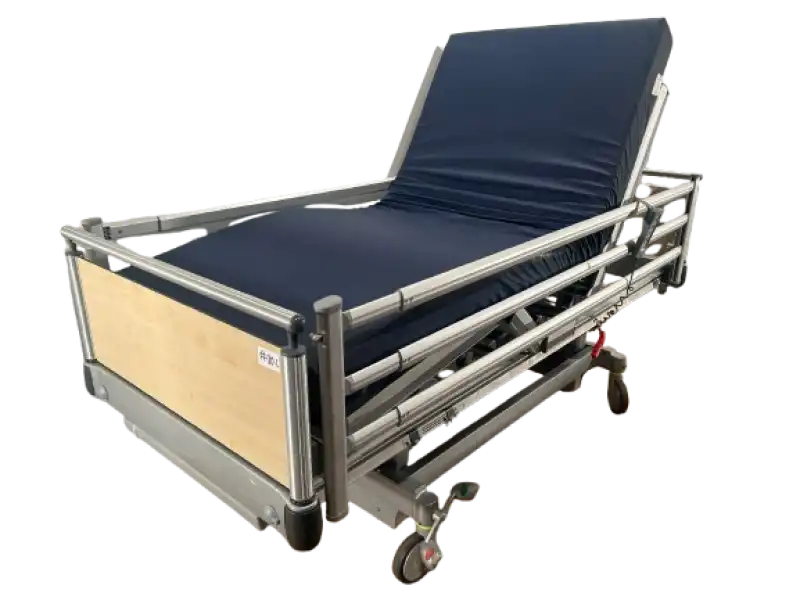
The hospital bed, a seemingly simple piece of furniture, has undergone a remarkable transformation in recent years. This revolution in hospital bed design and functionality is quietly saving millions of lives worldwide. From basic metal frames to sophisticated, technologically advanced systems, hospital beds have become central to patient care, recovery, and overall healthcare efficiency.
The Evolution of Hospital Beds
Hospital beds have come a long way since their inception. Early versions were little more than elevated cots, offering minimal comfort and functionality. Today's hospital beds are marvels of engineering, designed to meet the diverse needs of patients and healthcare providers alike.
- 1874: First mechanical hospital bed patented
- 1945: Introduction of electric hospital beds
- 1980s: Integration of microprocessors for enhanced control
- 2000s: Smart beds with advanced monitoring capabilities
Key Features of Modern Hospital Beds
Modern hospital beds are equipped with a range of features that contribute to improved patient outcomes:
- Adjustable positioning: Beds can be easily adjusted to various positions, aiding in patient comfort and medical procedures.
- Pressure relief systems: Special mattresses and surfaces help prevent bedsores and improve circulation.
- Built-in scales: Allow for easy patient weight monitoring without the need for transfers.
- Side rails: Provide safety and support for patients while allowing easy access for caregivers.
- Integrated technology: Many beds now include touchscreen controls and connectivity to hospital information systems.
Impact on Patient Care
The advancements in hospital bed design have had a significant impact on patient care:
- Reduced risk of complications: Features like pressure relief systems and easy positioning help prevent common issues such as bedsores and pneumonia.
- Faster recovery times: Comfortable, adjustable beds promote better rest and healing.
- Improved mobility: Beds that easily convert to chairs encourage patient movement and rehabilitation.
- Enhanced monitoring: Integrated sensors provide real-time data on patient vital signs and movements.
According to a study published in the Journal of Patient Safety, hospitals that implemented advanced bed systems saw a 23% reduction in patient falls and a 15% decrease in hospital-acquired infections.
Improving Privacy and Comfort
Privacy and comfort are crucial aspects of patient care that modern hospital beds address:
Hospital Bed Privacy Screens
Hospital bed privacy screens have become an integral part of the patient experience. These screens offer several benefits:
- Enhanced dignity: Patients can maintain privacy during examinations and personal care.
- Reduced stress: A sense of personal space can lower anxiety levels in shared rooms.
- Infection control: Screens can act as barriers, reducing the spread of airborne pathogens.
Types of Hospital Bed Privacy Screens
- Hospital bed screen curtains: Lightweight, easy to clean, and provide full coverage.
- Folding screens: Portable and adjustable for various room configurations.
- Fixed screens: Permanently installed for consistent privacy in multi-bed wards.
Hospital Bed Privacy Screens with Ring Rods
An innovative solution in hospital bed privacy is the use of ring rod systems. These allow for:
- Easy installation and removal of privacy curtains
- Smooth operation for quick access by healthcare providers
- Durability and long-lasting performance
Technological Advancements
The integration of technology into hospital beds has revolutionized patient care:
- Smart sensors: Monitor patient movement, weight, and vital signs.
- Automated alerts: Notify staff of potential issues or patient needs.
- Integrated entertainment systems: Provide patients with access to information and entertainment.
- Connectivity: Allow beds to communicate with other hospital systems for seamless data integration.
Research from the Healthcare Information and Management Systems Society (HIMSS) shows that hospitals utilizing smart bed technology report a 30% improvement in patient satisfaction scores.
Cost-Effectiveness and Efficiency
While advanced hospital beds may seem expensive, they offer significant cost savings in the long run:
- Reduced labor costs: Automated features decrease the need for manual patient handling.
- Lower complication rates: Fewer hospital-acquired conditions lead to shorter stays and reduced treatment costs.
- Improved resource allocation: Real-time data helps hospitals optimize staffing and bed management.
A case study by McKinsey & Company found that hospitals investing in advanced bed systems saw a return on investment within 18 months, primarily through reduced labor costs and improved patient outcomes.
Future Innovations
The hospital bed revolution is far from over. Emerging technologies promise even more advancements:
- AI-powered predictive care: Beds that can anticipate patient needs based on historical data and current conditions.
- Virtual reality integration: Immersive experiences to aid in pain management and rehabilitation.
- Robotic assistance: Beds with built-in robotic arms to assist with patient movement and care.
- Eco-friendly materials: Sustainable and antimicrobial surfaces for improved hygiene and environmental impact.
Conclusion
The hospital bed revolution is a testament to how seemingly simple innovations can have profound impacts on healthcare. By improving patient comfort, safety, and outcomes while enhancing efficiency for healthcare providers, these advanced beds are truly saving millions of lives.
As technology continues to evolve, we can expect even more groundbreaking developments in hospital bed design. These innovations will not only continue to save lives but also transform the entire healthcare experience for patients and providers alike.
Have you experienced the benefits of modern hospital beds?
Share your thoughts and experiences in the comments below. For more information on healthcare innovations, subscribe to our newsletter and stay informed about the latest advancements in medical technology.
FAQs
What are the key features of modern hospital beds?
Modern hospital beds include adjustable positioning, pressure relief systems, built-in scales, side rails, and integrated technology.
How do hospital beds improve patient care?
They reduce the risk of complications, promote faster recovery times, improve mobility, and enhance monitoring of patient vital signs.
What advancements are expected in the future of hospital beds?
Future innovations may include AI-powered predictive care, virtual reality integration, robotic assistance, and eco-friendly materials.